The Art of Public Speaking auf Englisch
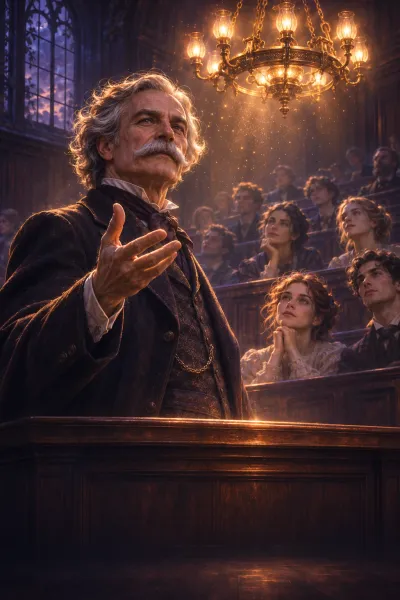
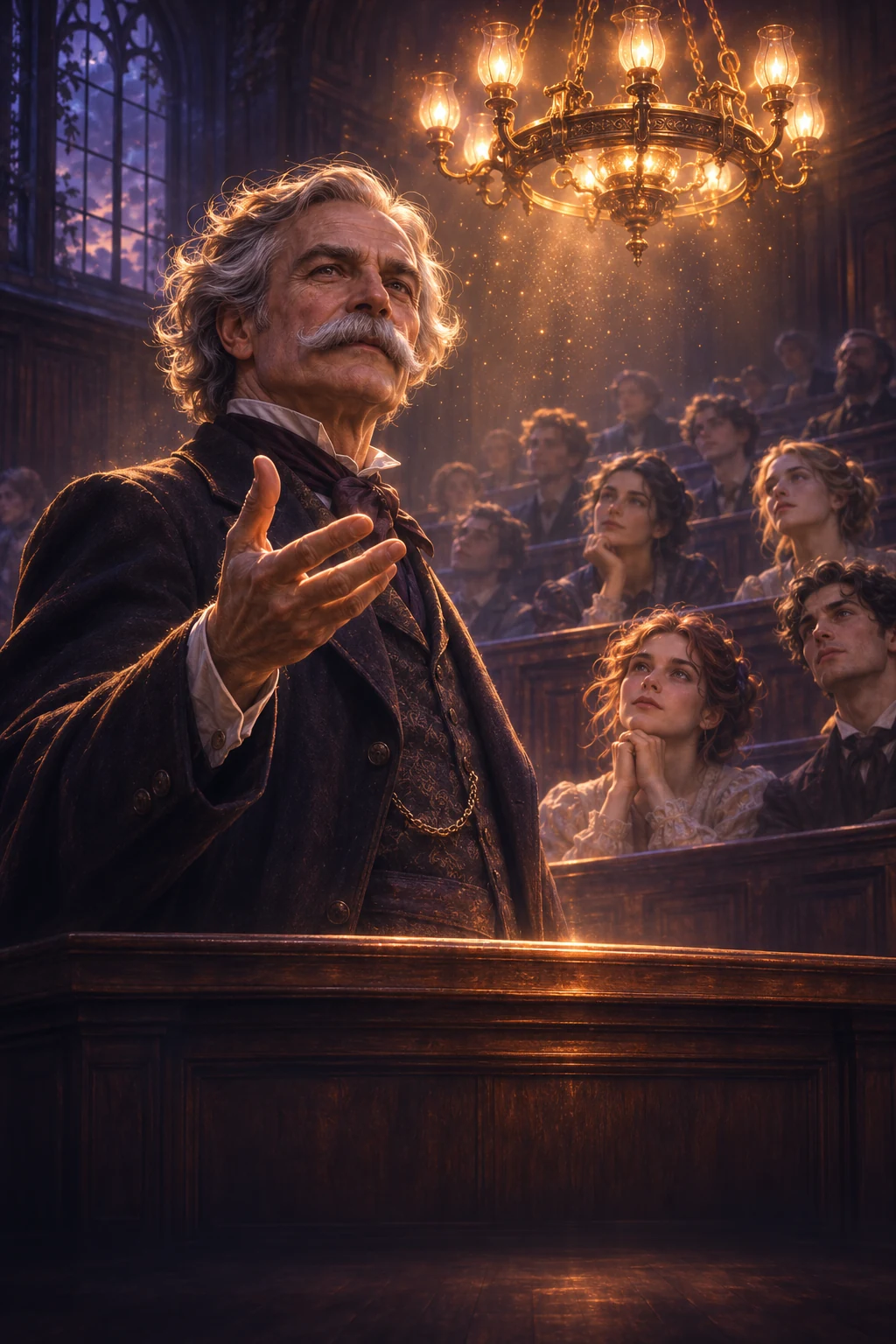
How do you stand in front of a room and speak without sounding like a wooden statue or forgetting your own name? Esenwein and Carnegie answer that good public speaking is not a theatrical performance with rehearsed gestures, but ordinary conversation scaled up and backed by something you actually care to say.
This self-help guide and rhetoric textbook moves across thirty-one chapters from the speaker's physical presence to the architecture of a speech. The early chapters tackle stage fright, monotony, pause, pitch, and gesture, arguing that mechanics only work when driven by real conviction. The middle sections turn to language and mental habits: how to build a vocabulary, use imagination, hold an audience's attention, and structure an argument without memorizing every word on paper. Every chapter ends with vocal drills, debate prompts, and short literary extracts for reading aloud. Four appendices wrap up the volume with fifty theme outlines, hundreds of debate questions, and fifteen complete speeches by figures like Theodore Roosevelt, Abraham Lincoln, and William Jennings Bryan.
- Blunt, encouraging advice that mocks pompous speakers and academic stiffness
- Built-in vocal drills, debate prompts, and reading exercises at the end of every chapter
- Fifteen full historical speeches in the back, from Patrick Henry to Theodore Roosevelt
- Short chapters that you can dip into for a single skill like pausing or overcoming stage fright
- Pre-microphone advice designed for unamplified halls, church pulpits, and town squares
- Heavy on nineteenth-century American politics, sermons, and patriotic oratory in the examples
- Very long if read cover to cover because of the anthology of speeches and practice texts
Was für ein Buch „The Art of Public Speaking“ ist
Das Original von „The Art of Public Speaking“ auf Englisch
Wähle eine Version. Über die Leiste unten auf der Seite öffnest du deine Auswahl.
Wortschatz nach Niveau
- A1 59%
- A2 17%
- B1 9%
- B2 6%
- nicht im Wörterbuch 4%
Die Originalsprache von „The Art of Public Speaking“ und was sie dir bringt
Wie schwer die Sprache ist C2
Our measurement puts the original text at C2, though the book is really two different reading experiences stitched together. When Esenwein and Carnegie are giving advice in their own voices, the sentences are brisk, clear, and conversational. The C2 rating comes from the dozens of quoted poems, Shakespearean scenes, sermons, and nineteenth-century political speeches packed into every chapter and appendix, which bring dense rhetoric and a wide literary vocabulary.
Was das praktisch heißt: Comfortable for C2 readers as a whole; less advanced learners can easily read the authors' advice chapters if they skip or skim the denser nineteenth-century speeches in the appendices.
Worauf du dich einstellen solltest
Wie du es liest und nicht aufhörst
- Treat the instructional chapters and the quoted speeches differently: read the advice for meaning, and read the extracts out loud to feel the rhythm without stopping for every unfamiliar poetic word.
- Watch out for rhetorical inversions in the older speeches (such as 'Great is the power' or 'Never have we seen'), where the normal English subject-verb order is flipped for dramatic weight.
- Pay attention to how the book uses 'practise' (spelled with an 's' in several headings despite being an American edition) and old-fashioned transitional words like 'moreover', 'thereto', and 'hitherto' in the anthology.
Was du lernst aus „The Art of Public Speaking“
Throw away the mechanical gesture chart
Nineteenth-century elocution manuals taught speakers to plan every hand wave on a grid, which only produced stiff, artificial performers; a gesture that does not come from a real impulse is better left unmade.
Public speaking is enlarged conversation
A speaker on a platform should use the same natural inflections, pauses, and changes of pace that come out over a dinner table, only projected so the back row can hear.
Master the ideas, not the exact words
Writing out a speech and memorizing it word for word makes you sound like a talking book and leaves you helpless if your memory slips; organizing a chain of thoughts lets you find the phrasing on your feet.
Feeling and pause do more work than speed
Nervous speakers rush through their points in one flat tone, whereas a deliberate silence before or after an important word forces a restless room to pay attention.
Für wen es ist
- You have to give presentations or lead meetings in English and want practical habits for voice, pacing, and nerves.
- You want a textbook full of short passages and classic speeches specifically chosen to be read out loud for pronunciation and rhythm practice.
- You are curious about where Dale Carnegie's later self-help methods started before he wrote How to Win Friends and Influence People.
Leseprobe aus „The Art of Public Speaking“ auf Englisch
Tippe auf ein Wort – wir zeigen dir die Übersetzung
Mit den Pfeiltasten wechselst du zwischen Wörtern, Enter zeigt die Übersetzung.Original · C2168 Wörter
How would you cure a horse that is afraid of cars—graze him in a back-woods lot where he would never see steam-engines or automobiles, or drive or pasture him where he would frequently see the machines?
Apply horse-sense to ridding yourself of self-consciousness and fear: face an audience as frequently as you can, and you will soon stop shying. You can never attain freedom from stage-fright by reading a treatise. A book may give you excellent suggestions on how best to conduct yourself in the water, but sooner or later you must get wet, perhaps even strangle and be "half scared to death." There are a great many "wetless" bathing suits worn at the seashore, but no one ever learns to swim in them. To plunge is the only way.
Practise, practise, PRACTISE in speaking before an audience will tend to remove all fear of audiences, just as practise in swimming will lead to confidence and facility in the water. You must learn to speak by speaking.
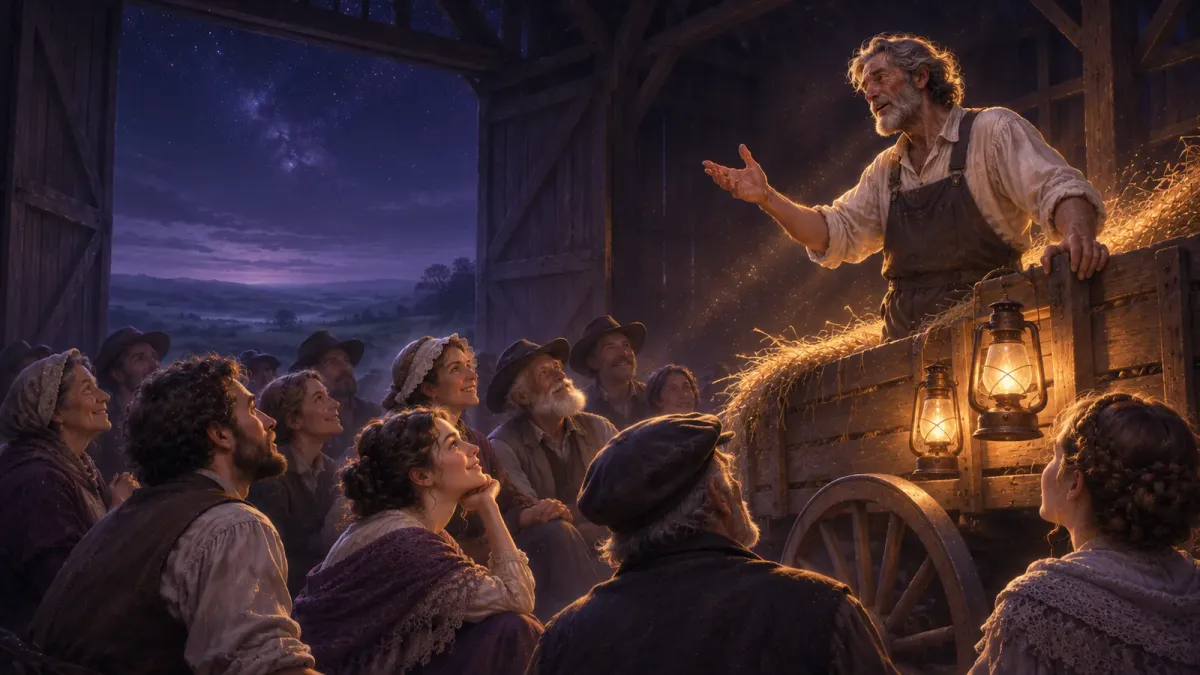
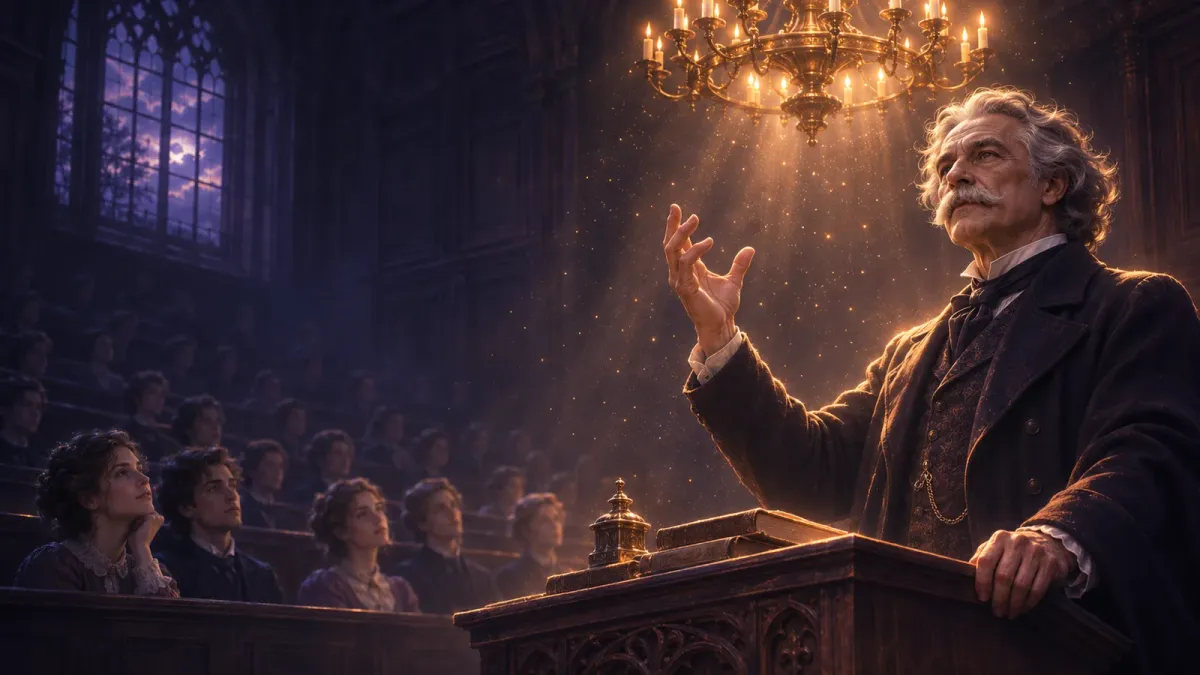
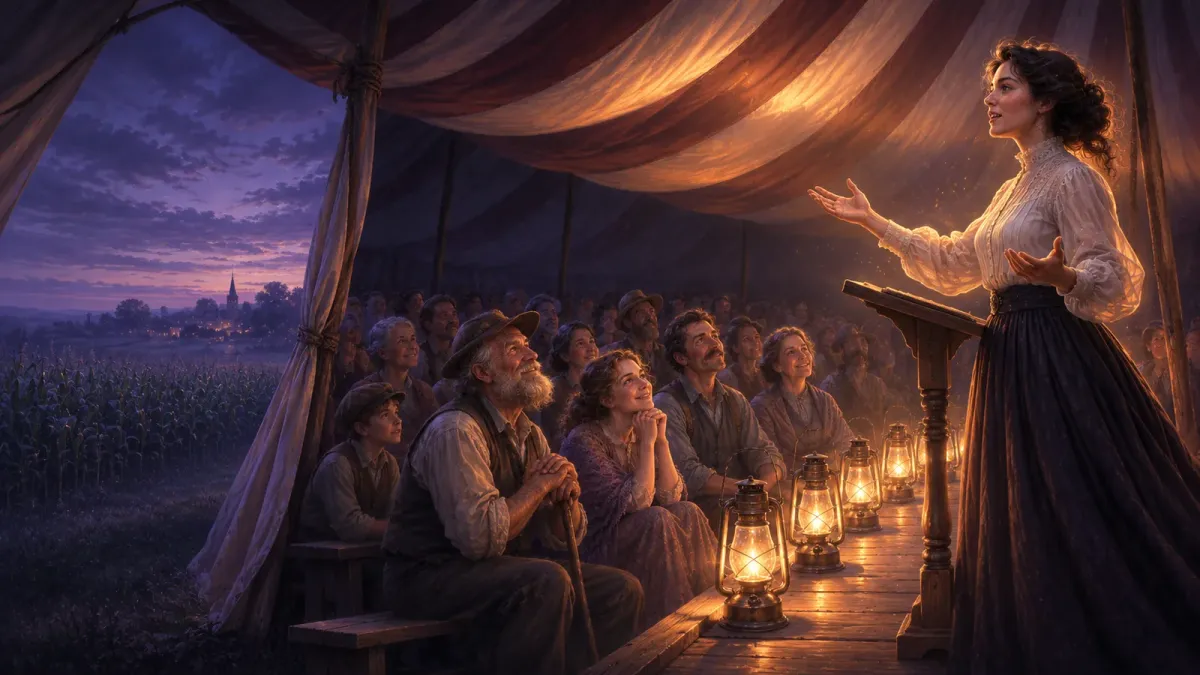
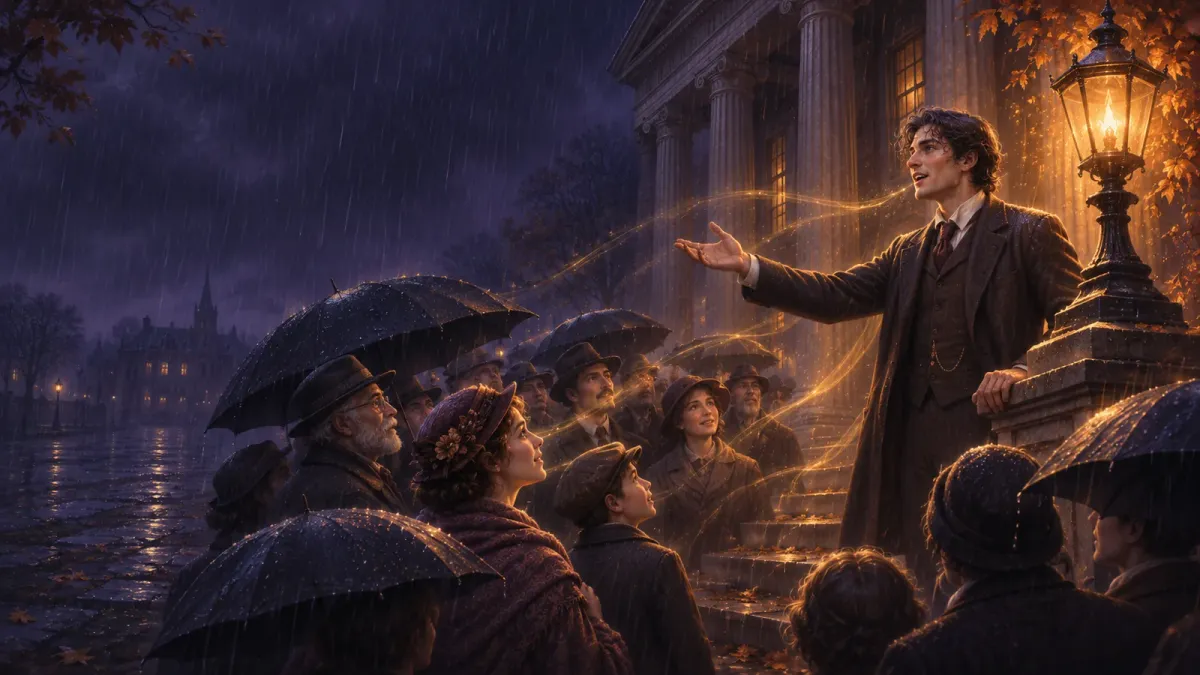
Illustrationen zu „The Art of Public Speaking“
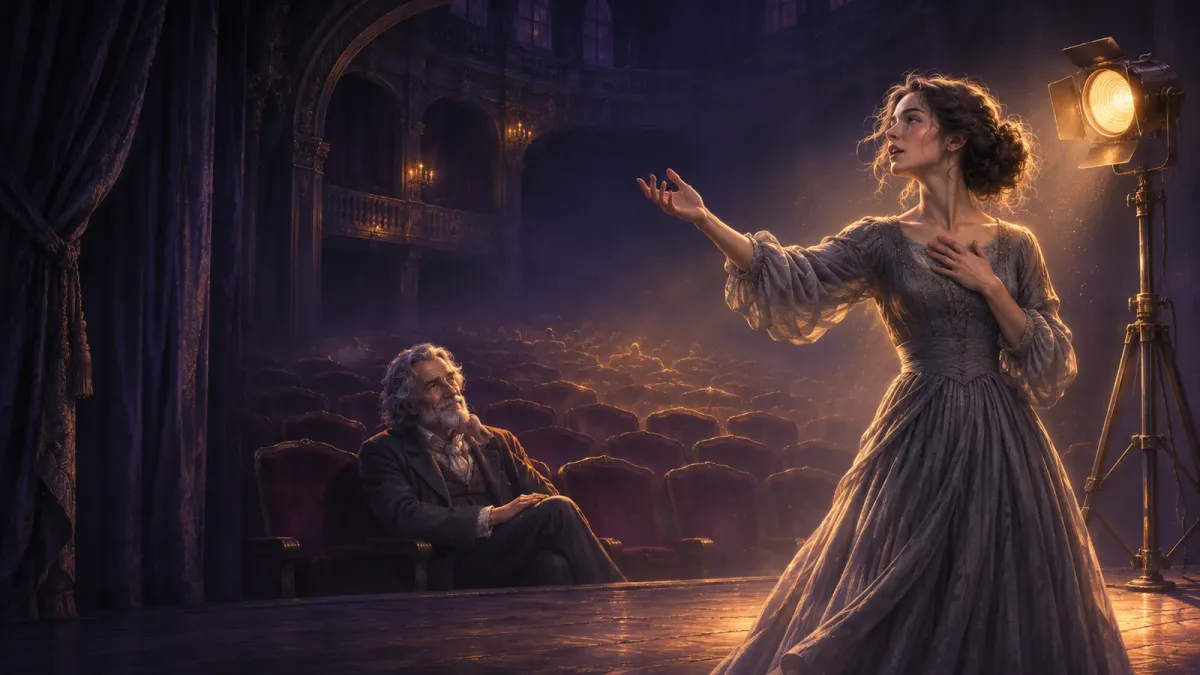
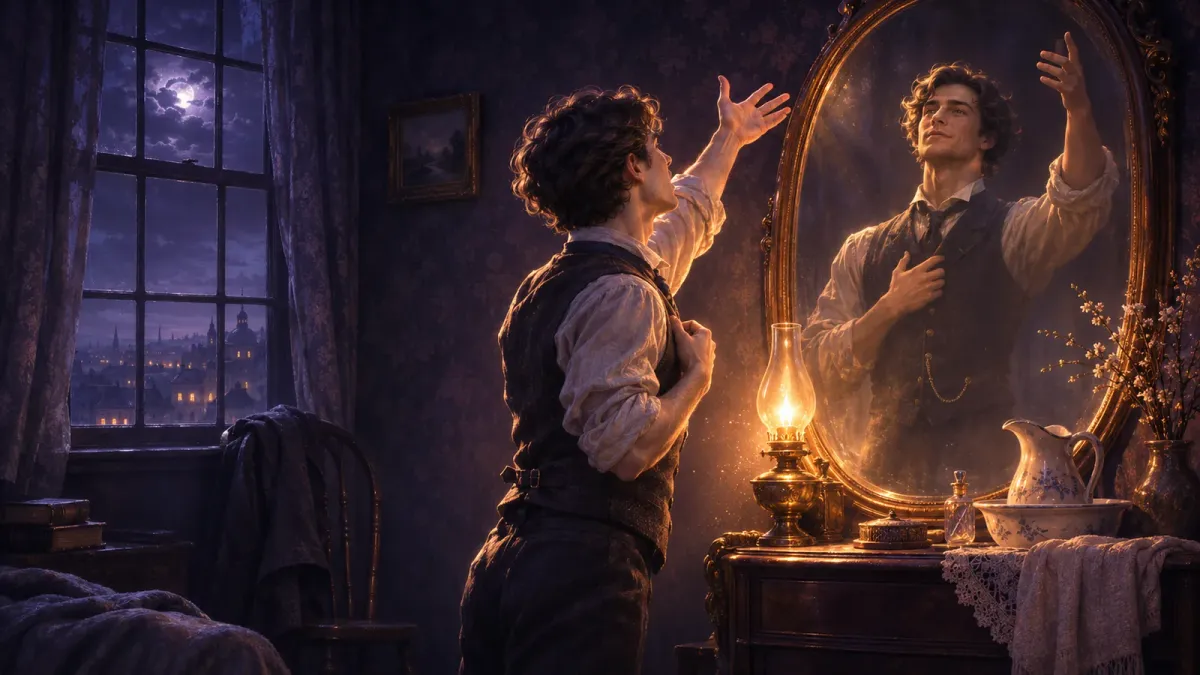
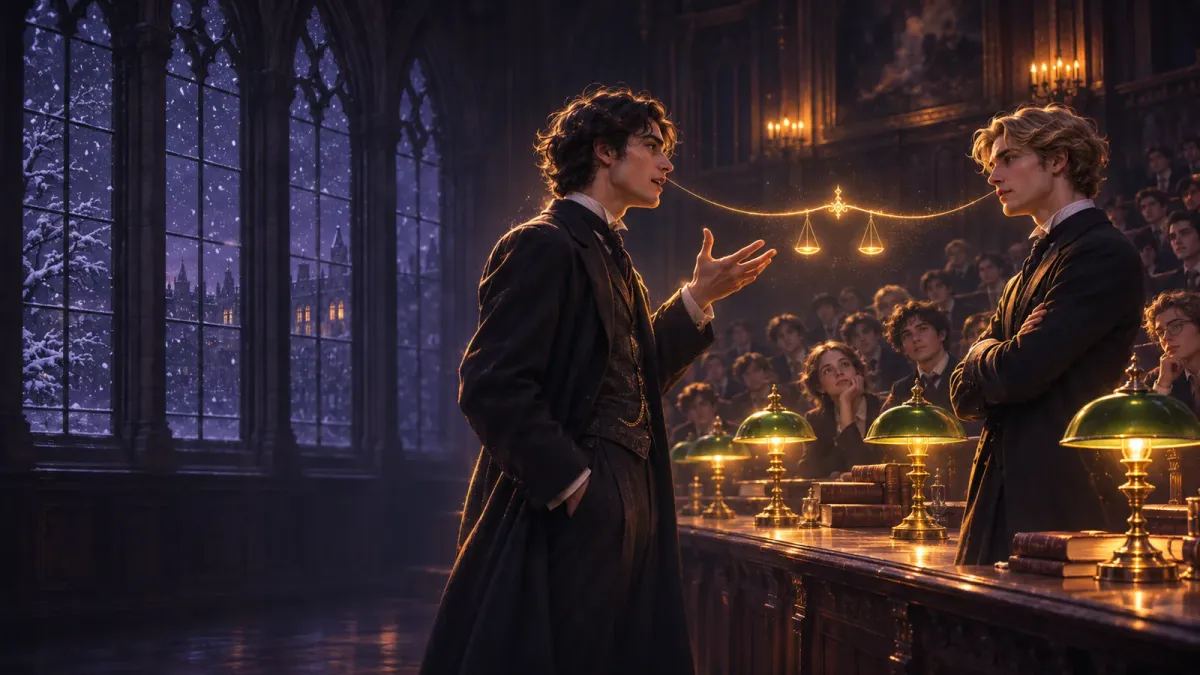
7 Szenen aus „The Art of Public Speaking“, in der Reihenfolge der Geschichte und ohne das Ende.

Inhalt von „The Art of Public Speaking“ · 107 Kapitel
- DALE CARNAGEYSeite 1
- THE WRITER'S LIBRARYSeite 1
- THE HOME CORRESPONDENCE SCHOOLSeite 1
- F. ARTHUR METCALFSeite 1
- THINGS TO THINK OF FIRSTSeite 1
- THE ART OF PUBLIC SPEAKINGSeite 4
Alle 107 KapitelWeniger anzeigen
- CHAPTER ISeite 4
- QUESTIONS AND EXERCISES.Seite 12
- CHAPTER IISeite 12
- QUESTIONS AND EXERCISES.Seite 17
- CHAPTER IIISeite 17
- QUESTIONS AND EXERCISESSeite 26
- CHAPTER IVSeite 28
- QUESTIONS AND EXERCISESSeite 33
- CHAPTER VSeite 40
- QUESTIONS AND EXERCISESSeite 43
- EXERCISESSeite 45
- THE MOBSeite 46
- QUESTIONS AND EXERCISESSeite 50
- CHAPTER VISeite 57
- QUESTIONS AND EXERCISESSeite 67
- FOOTNOTES:Seite 71
- CHAPTER VIISeite 72
- QUESTIONS AND EXERCISESSeite 77
- SELECTIONS FOR PRACTISESeite 78
- CHAPTER VIIISeite 82
- QUESTIONS AND EXERCISESSeite 86
- CHAPTER IXSeite 89
- QUESTIONS AND EXERCISESSeite 99
- FOOTNOTES:Seite 102
- CHAPTER XSeite 102
- QUESTIONS AND EXERCISESSeite 110
- PATRICK HENRY'S SPEECHSeite 111
- CHAPTER XISeite 117
- QUESTIONS AND EXERCISESSeite 122
- GENERAL THEMESSeite 124
- FOOTNOTES:Seite 124
- CHAPTER XIISeite 124
- QUESTIONS AND EXERCISESSeite 132
- CHAPTER XIIISeite 133
- SELECTIONS FOR PRACTISESeite 135
- QUESTIONS AND EXERCISESSeite 142
- CHAPTER XIVSeite 142
- QUESTIONS AND EXERCISESSeite 148
- FOOTNOTES:Seite 151
- CHAPTER XVSeite 151
- QUESTIONS AND EXERCISESSeite 163
- CHAPTER XVISeite 166
- QUESTIONS AND EXERCISESSeite 176
- CHAPTER XVIISeite 177
- QUESTIONS AND EXERCISESSeite 191
- FOOTNOTES:Seite 191
- CHAPTER XVIIISeite 191
- QUESTIONS AND EXERCISESSeite 206
- FOOTNOTES:Seite 208
- CHAPTER XIXSeite 208
- QUESTIONS AND EXERCISESSeite 218
- FOOTNOTES:Seite 220
- CHAPTER XXSeite 220
- FOOTNOTES:Seite 238
- CHAPTER XXISeite 239
- QUESTIONS AND EXERCISESSeite 252
- FOOTNOTES:Seite 253
- CHAPTER XXIISeite 253
- INVICTUSSeite 262
- QUESTIONS AND EXERCISESSeite 270
- CHAPTER XXIIISeite 270
- QUESTIONS AND EXERCISESSeite 274
- FOOTNOTES:Seite 282
- CHAPTER XXIVSeite 282
- QUESTIONS AND EXERCISESSeite 293
- CHAPTER XXVSeite 296
- FOOTNOTES:Seite 309
- CHAPTER XXVISeite 309
- QUESTIONS AND EXERCISESSeite 319
- FOOTNOTES:Seite 321
- CHAPTER XXVIISeite 321
- QUESTIONS AND EXERCISESSeite 329
- FOOTNOTES:Seite 329
- CHAPTER XXVIIISeite 330
- QUESTIONS AND EXERCISESSeite 341
- CHAPTER XXIXSeite 341
- QUESTIONS AND EXERCISESSeite 347
- CHAPTER XXXSeite 348
- QUESTIONS AND EXERCISESSeite 357
- FOOTNOTES:Seite 358
- CHAPTER XXXISeite 358
- QUESTIONS AND EXERCISESSeite 363
- APPENDIX ASeite 363
- APPENDIX BSeite 366
- APPENDIX CSeite 367
- FOOTNOTES:Seite 372
- NEWELL DWIGHT HILLISSeite 372
- HENRY WATTERSONSeite 387
- JOHN MORLEYSeite 389
- ROBERT TOOMBSSeite 402
- THEODORE ROOSEVELTSeite 412
- ALTON B. PARKERSeite 424
- JOHN W. WESCOTTSeite 426
- HENRY W. GRADYSeite 428
- WILLIAM McKINLEYSeite 453
- JOHN HAYSeite 461
- WILLIAM JENNINGS BRYANSeite 471
- RUFUS CHOATESeite 501
- ALBERT J. BEVERIDGESeite 511
- RUSSELL CONWELLSeite 534
- VICTOR HUGOSeite 575
Bewertungen für „The Art of Public Speaking“
Noch keine Bewertungen. Gib die erste ab.
Deine Bewertung
Rezensionen zu „The Art of Public Speaking“
Noch keine Rezensionen.
Die Geschichte hinter „The Art of Public Speaking“ und wann es geschrieben wurde
Refused Two Dollars a Night
Dale Carnagey started teaching adult night classes in public speaking at the 125th Street YMCA in New York City. Because the branch manager refused to guarantee him two dollars an evening, he worked on commission, building the practical exercises for businessmen—rather than college students—that grew into this manual.
Before Carnagey Became Carnegie
The Home Correspondence School in Springfield, Massachusetts, brought the textbook out in its Writer's Library series, pairing Carnagey with J. Berg Esenwein, the editor of Lippincott's Monthly Magazine. Look at the title page and you will still see the author's family name spelled Carnagey; he only changed it to Carnegie later.
1915 first edition title page, The Home Correspondence School
Replaced by His Own Course
Over a decade of growing classes gave Carnegie enough material to replace this book with a new manual of his own, Public Speaking: A Practical Course for Business Men, published by the YMCA's Association Press. He later revised and reissued that course under new titles, including Public Speaking and Influencing Men in Business.
Fragen und Antworten zu „The Art of Public Speaking“ auf Englisch
What is the 'elocution' style that the authors keep attacking?
They are pushing back against the nineteenth-century school of dramatic recitation, which taught speakers to memorize charts of poses, hand gestures, and vocal tremolos to match each emotion. Esenwein and Carnegie argue that this mechanical training makes a speaker look like a bad actor watching their own hands instead of talking to the audience. Their whole textbook is built on the opposite principle: think the thought clearly and let the gesture and tone follow naturally.
Which of the four methods of delivering a speech do the authors recommend?
In the chapter on methods of delivery, they compare reading from a manuscript, reciting from memory, speaking extemporaneously from a prepared outline, and speaking impromptu, and they strongly favor the extemporaneous method. Reading from paper kills eye contact, and memorizing word for word leaves a speaker terrified of forgetting a line. Preparing a tight outline of ideas and choosing the exact words on the spot keeps the voice natural and lets the speaker adapt to the room.
Does the advice in this 1915 manual still work for modern presentations?
The sections on pacing, pausing, cutting clutter from your sentences, and organizing an argument apply just as well in a boardroom or on a video call as they did in 1915. What has aged is the physical scale: the authors were training people to fill unamplified halls without microphones or slide decks, so their model speeches use grander phrasing and louder vocal projection than a modern office meeting requires.
Did Dale Carnegie write this before How to Win Friends and Influence People?
Yes, this 1915 textbook came out twenty-one years before his famous 1936 bestseller. You can already see his later ideas taking shape in chapters on crowd psychology, persuasion, and feeling genuine sympathy for the audience, before he realized that his adult students wanted those interpersonal skills even more than platform rhetoric.
What is Russell Conwell's 'Acres of Diamonds' speech in the appendix about?
It is one of the most famous Chautauqua lectures in American history, delivered over five thousand times by Conwell to raise money for Temple University. The speech tells the story of a farmer who sells his land to hunt for diamonds elsewhere, only for the buyer to discover a diamond mine in the farm's own stream; Esenwein and Carnegie include it as a masterclass in holding an audience with storytelling and everyday illustrations.
Steckbrief zu „The Art of Public Speaking“
13 Angaben zu Ausgabedaten und gemessenen Textmerkmalen. Alles nachprüfbar.
- Originaltitel
- The Art of Public Speaking
- Autor
- J. Berg Esenwein, Dale Carnegie · 1867–1946
- Ersterscheinung
- 1915
- Originalsprache
- Englisch
- Genre
- Selbsthilfe · Psychologie · Essays
- Themen
- Ehrgeiz · Mut · Macht · Gesellschaft
- Verschiedene Wörter
- 12.335
- Wörter pro Satz
- 18 Wörter
- Niveau des Originals
- C2So messen wir
- Versionen
- C2
- Umfang des Originals
- 107 Kap. · 158.818 Wörter
- Lesezeit
- ~14 Std. 40 Min.
- Herunterladen
- EPUB
Ähnliche Bücher was du nach „The Art of Public Speaking“ lesen kannst
Ähnlich im Geist
8Dasselbe Genre und dieselbe Stilebene.

How to Live on 24 Hours a Day
Arnold Bennett
C2Orig.
~1 Std. 10 Min. · Selbsthilfe

Short Works
Epictetus
C2Orig.
~1 Std. 50 Min. · Philosophie

Meditations
Marcus Aurelius
C2Orig.
~4 Std. 40 Min. · Philosophie

Der Fürst
Niccolò Machiavelli
C2Orig.C1
~4 Std. 40 Min. · Philosophie

Walden oder Leben in den Wäldern
Henry David Thoreau
C2Orig.B2
~9 Std. 50 Min. · Philosophie

On Liberty
John Stuart Mill
C2Orig.
~4 Std. 50 Min. · Philosophie

The Republic
Plato
C2Orig.
~20 Std. 10 Min. · Philosophie
The Autobiography of Benjamin Franklin
Benjamin Franklin
C2Orig.
~6 Std. 10 Min. · Memoiren