The Origin of Species v angličtině
How do new species arise without a designer, and why are living things so well suited to their worlds? Darwin answers with a single mechanism — small inherited variations sifted by the daily struggle to survive — and tests it against twenty years of evidence.
Darwin builds what he calls "one long argument" in three clear steps across fifteen chapters. First, he moves from farmyard breeding to wild nature to show how small differences and fierce competition produce natural selection. Next, in the middle chapters, he confronts the strongest cases against his theory — complex organs, sterile worker bees, hybrid sterility, and the huge gaps in the fossil record. In the final third, he shows how his single idea explains facts that once seemed disconnected: how fossils succeed one another, why island creatures resemble those on the nearest mainland, and why a bat's wing and a human hand have the same bones. The prose is mid-Victorian British English: patient, polite, packed with letters from naturalists and breeders, and built out of long sentences that weigh every condition before drawing a conclusion.
- Grounded in tangible things: pigeons, beehive wax, barnacles, and seeds floating in seawater
- Intellectual honesty: whole chapters are devoted to the hardest objections against his own theory
- No mathematics or laboratory jargon — written so an educated nineteenth-century reader could follow every step
- A built-in glossary at the back explains the nineteenth-century scientific terms
- Very long mid-Victorian sentences packed with "if", "unless", and "on the other hand"
- Darwin repeats examples of animal breeding and plant cross-fertilisation until no doubt remains
- Written before genetics: his guesses about how traits pass from parent to offspring are wrong
- Barely mentions human evolution, saving that subject for a later book
Jaká je to kniha „The Origin of Species“
Originál knihy „The Origin of Species“ (angličtině)
Vyber verzi. Lišta dole na stránce otevře tu vybranou.
Slovní zásoba podle úrovní
- A1 55%
- A2 18%
- B1 11%
- B2 7%
- mimo slovník 5%
Původní jazyk knihy „The Origin of Species“ a co ti dá
Jak náročný je jazyk C2
Our measurement puts the original text at C2, the highest level on the scale. Most of the words on any page are ordinary everyday English, and Darwin avoids heavy Latin jargon, even supplying a glossary at the back. The C2 rating comes from the architecture of his sentences: he writes in long, patient chains of clauses that hold a hypothesis, two exceptions, and an example in the air at the same time. You will also meet a steady stream of concrete natural-history vocabulary — names of breeds, plants, rock layers, and anatomical parts.
Co to znamená v praxi: The original suits C2 readers who are comfortable with long, nested clauses; no adapted editions are available on this page yet.
Na co se připravit
Jak číst a nevzdat to
- Find the main verb before worrying about the details: Darwin often puts three or four "if" or "although" clauses before his actual point.
- Do not look up every bird breed or flower species; usually you only need to know that two varieties are being compared.
- Watch out for nineteenth-century false friends: "races" in the subtitle and throughout the text usually means varieties of cabbages, pigeons, or dogs, not human races, and "peculiar" often means "belonging exclusively to one place" rather than "strange".
- Use the original glossary at the back of the volume when you hit geological or anatomical terms.
Co se dozvíš z knihy „The Origin of Species“
Nature selects just as breeders do, without a plan
Just as pigeon fanciers reshape a bird over generations by choosing which individuals breed, the daily struggle for food and life preserves slight useful variations in the wild and wipes out harmful ones.
Every living thing is a cousin on one branching tree
Similarities in bone structure, embryos, and useless rudimentary organs are not separate designs, but family traits inherited from shared ancestors that diverged over millions of years.
The fossil record is a book with most pages torn out
We rarely find smooth chains of intermediate fossils not because species appeared suddenly, but because soft bodies decay, sea floors erode, and only a tiny fraction of earth's history is preserved in stone.
Geography tells you who came from where, not what fits best
Oceanic islands hold species closely related to the nearest mainland rather than to other islands with the same climate, because life spreads by migration and then adapts to its new home.
Pro koho je
- You know the textbook summary of evolution and want to see how the original case was actually proved
- You enjoy watching a careful thinker lay out the best arguments against his own position and answer them one by one
- You read science or philosophy in English and want practice with dense, structured Victorian prose
Ukázka z knihy „The Origin of Species“ v angličtině
Klepni na libovolné slovo – ukážeme ti překlad
Šipkami přecházíš mezi slovy, Enter zobrazí překlad.Originál · C2197 slov
In order to make it clear how, as I believe, natural selection acts, I must beg permission to give one or two imaginary illustrations. Let us take the case of a wolf, which preys on various animals, securing some by craft, some by strength, and some by fleetness; and let us suppose that the fleetest prey, a deer for instance, had from any change in the country increased in numbers, or that other prey had decreased in numbers, during that season of the year when the wolf was hardest pressed for food. Under such circumstances the swiftest and slimmest wolves have the best chance of surviving, and so be preserved or selected, provided always that they retained strength to master their prey at this or some other period of the year, when they were compelled to prey on other animals. I can see no more reason to doubt that this would be the result, than that man should be able to improve the fleetness of his greyhounds by careful and methodical selection, or by that kind of unconscious selection which follows from each man trying to keep the best dogs without any thought of modifying the breed.
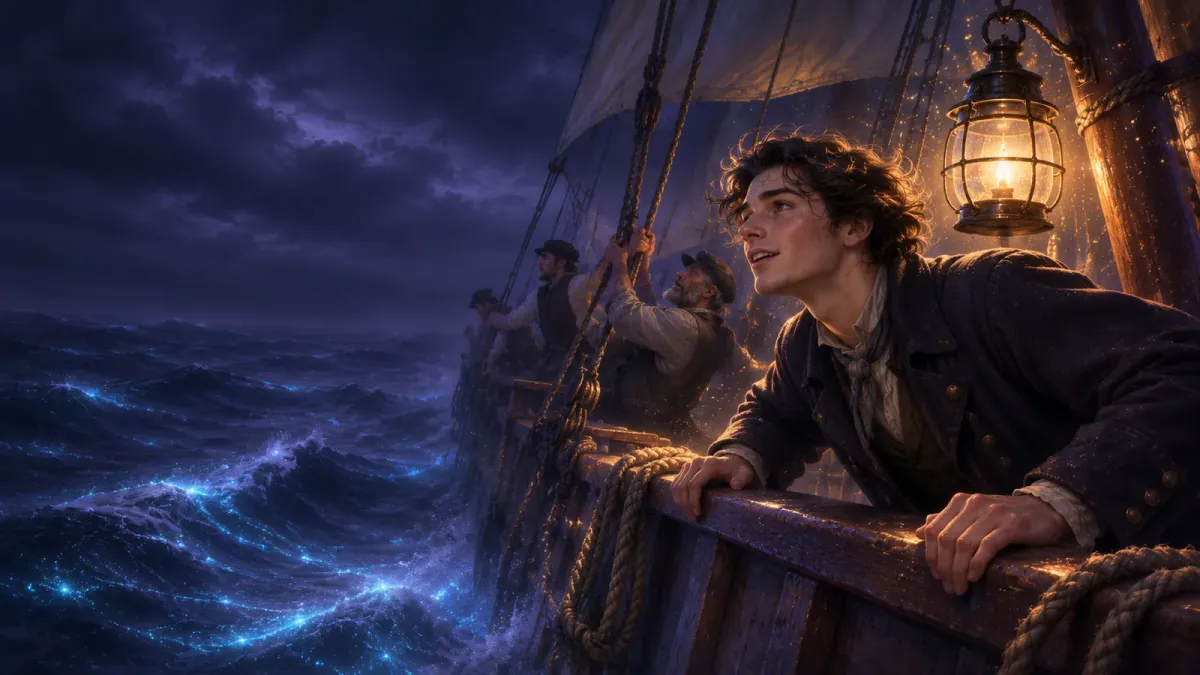
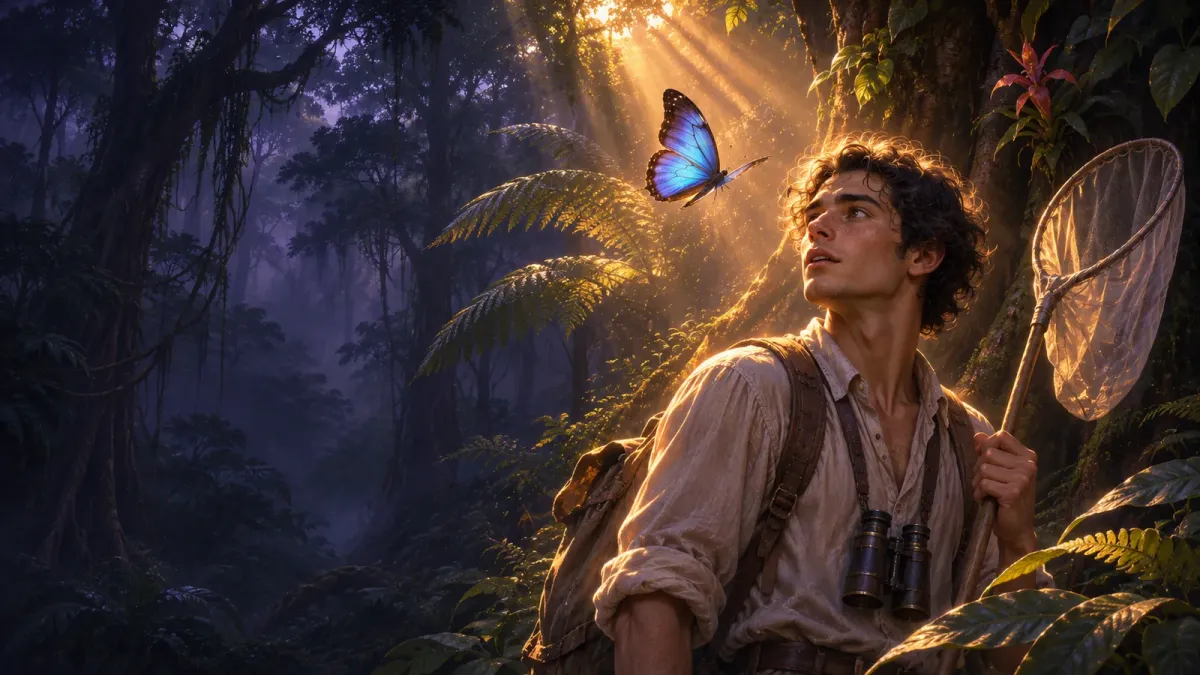
Ilustrace ke knize „The Origin of Species“
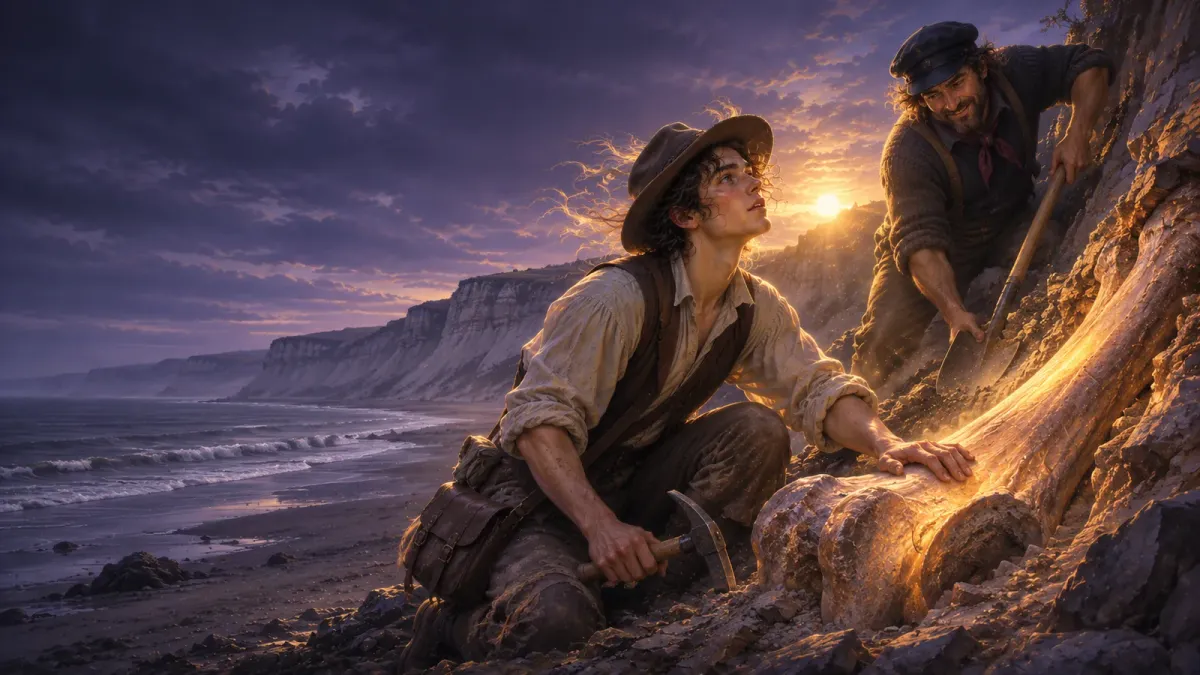
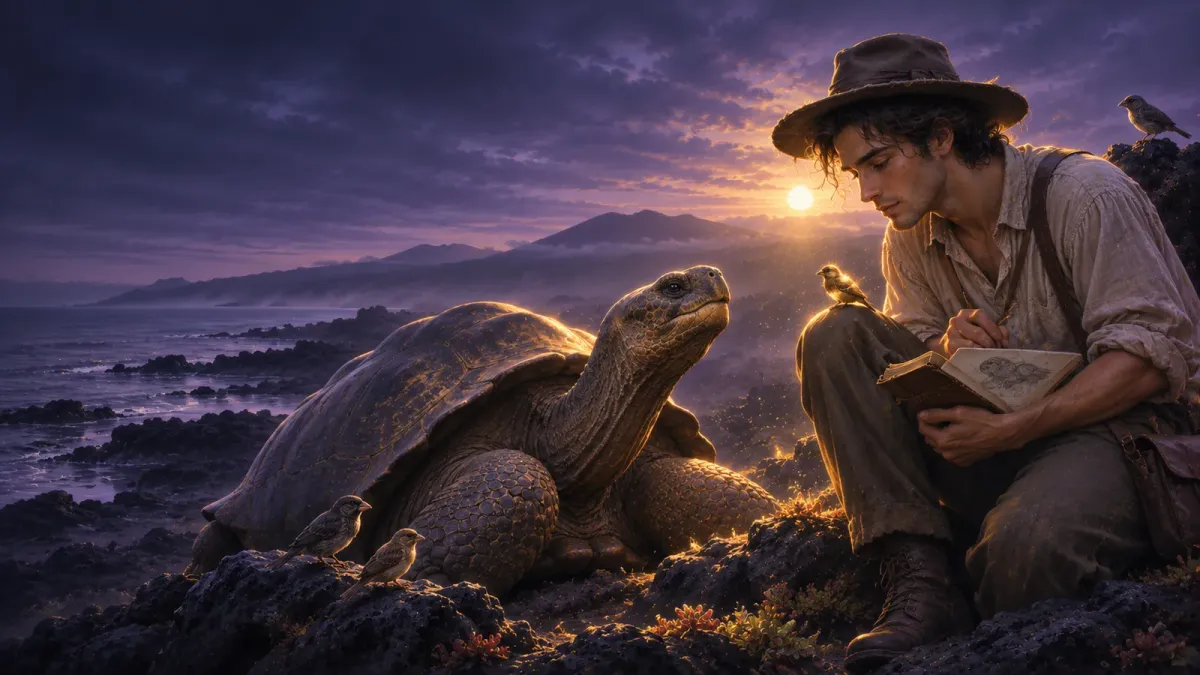
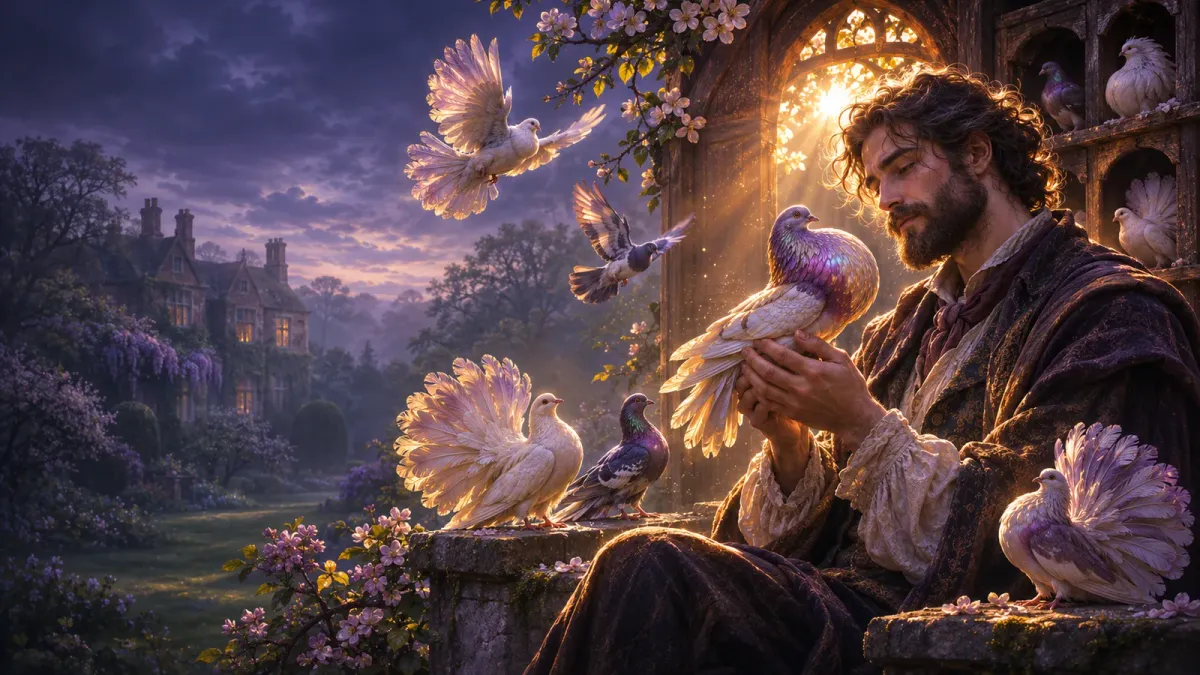
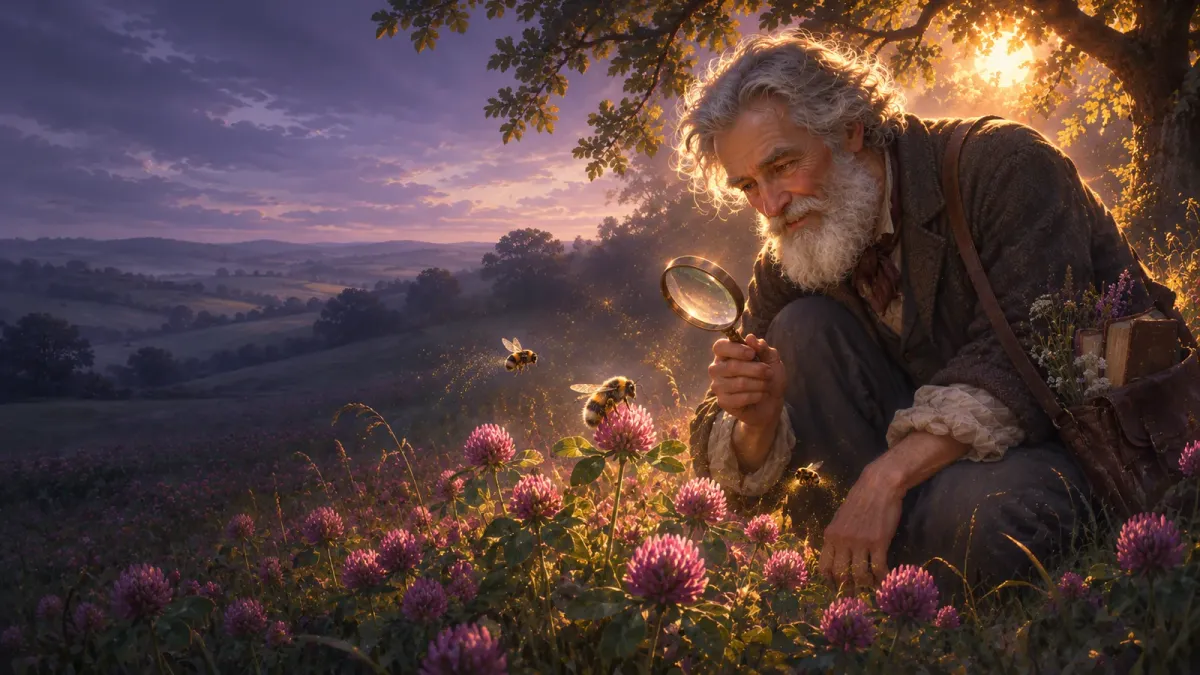
7 scén z knihy „The Origin of Species“, v pořadí podle příběhu a bez konce.
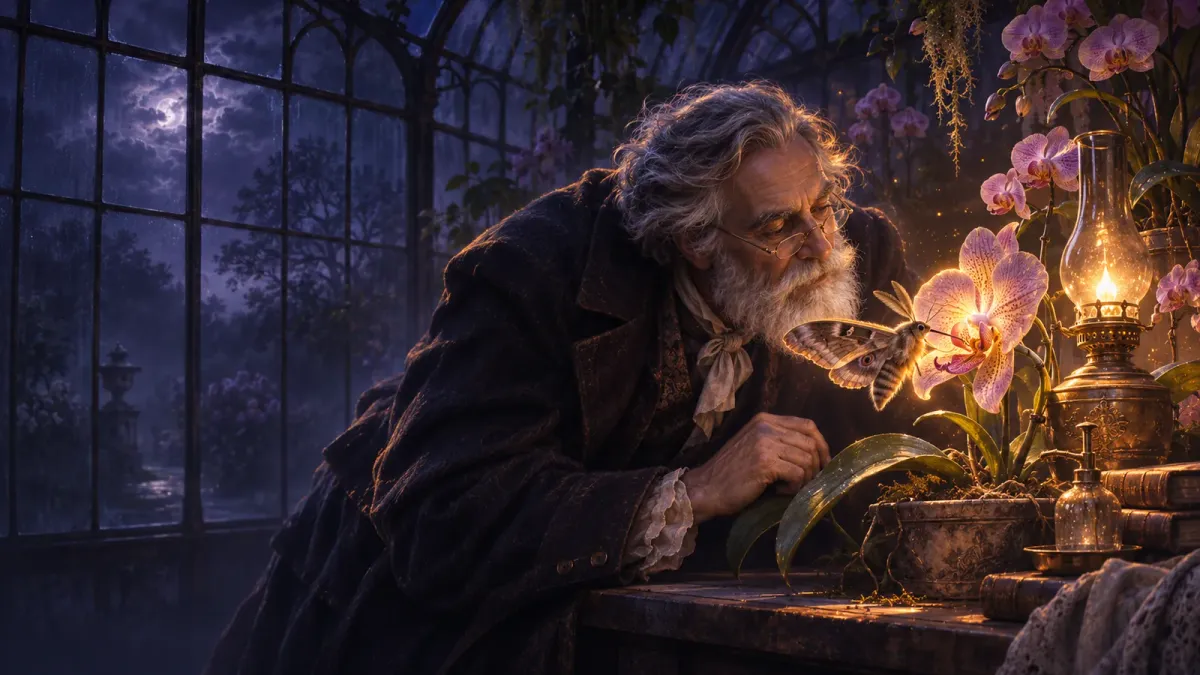
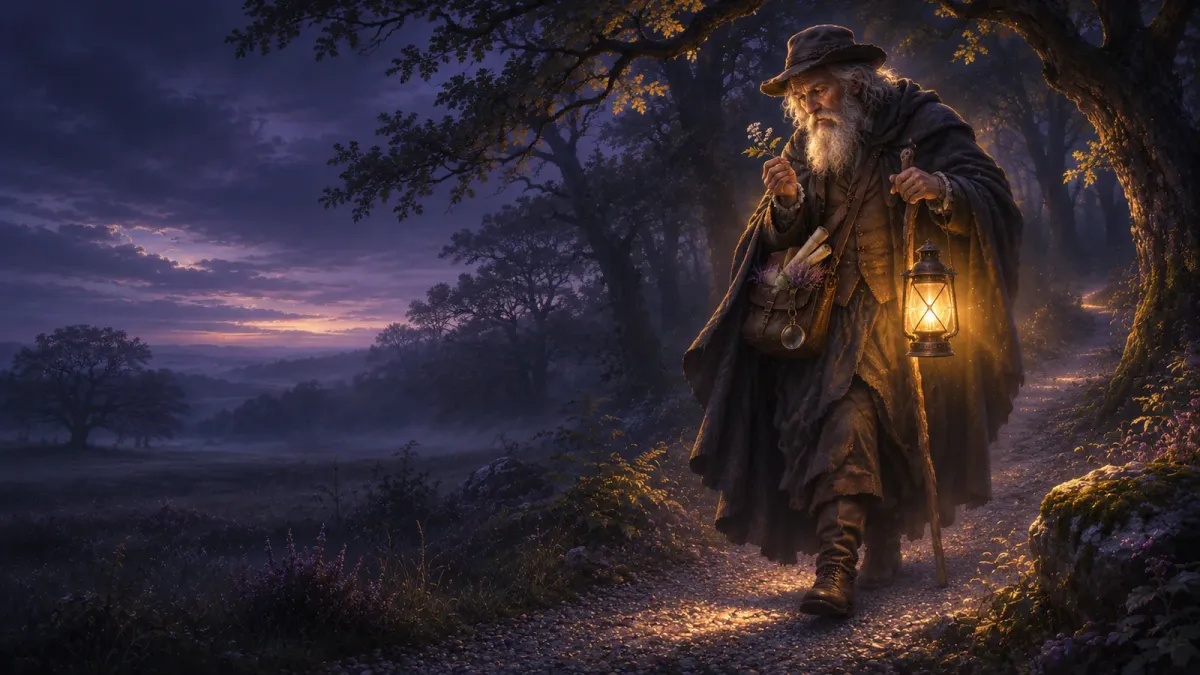
Obsah knihy „The Origin of Species“ · 19 kapitol
- Epigraphsstrana 1
- An Historical Sketch of the Progress of Opinion on the Origin of Species, Previously to the Publication of the First Edition of This Workstrana 1
- Introductionstrana 15
- I: Variation Under Domesticationstrana 21
- II: Variation Under Naturestrana 66
- III: Struggle for Existencestrana 90
Všech 19 kapitolZobrazit méně
- IV: Natural Selection; or the Survival of the Fitteststrana 112
- V: Laws of Variationstrana 184
- VI: Difficulties of the Theorystrana 229
- VII: Miscellaneous Objections to the Theory of Natural Selectionstrana 285
- VIII: Instinctstrana 346
- IX: Hybridismstrana 397
- X: On the Imperfection of the Geological Recordstrana 444
- XI: On the Geological Succession of Organic Beingsstrana 486
- XII: Geographical Distributionstrana 527
- XIII: Geographical Distribution—Continuedstrana 571
- XIV: Mutual Affinities of Organic Beings: Morphology—Embryology—Rudimentary Organs—Classificationstrana 603
- XV: Recapitulation and Conclusionstrana 670
- Glossary of the Principal Scientific Terms Used in the Present Volumestrana 711
Hodnocení čtenářů knihy „The Origin of Species“
Zatím žádné hodnocení. Přidej první.
Tvoje hodnocení
Recenze čtenářů knihy „The Origin of Species“
Zatím žádné recenze.
Historie knihy „The Origin of Species“ a kdy vznikla
A sketch and two quiet words
Back from five years aboard HMS Beagle, Charles Darwin opened his 'B' notebook in July to work out how species change over time. Right there in the notes, he drew a branching tree and wrote 'I think' at the top—his first map of how related species come from a single ancestor.
Darwin's Notebook B, Cambridge University Library
The essay from the Malay Archipelago
For twenty years Darwin worked quietly on his theory, until an essay arrived from the naturalist Alfred Russel Wallace in the Malay Archipelago describing almost the exact same mechanism of natural selection. Darwin's friends Charles Lyell and Joseph Dalton Hooker arranged to read papers by both men together at the Linnean Society of London on July 1, pushing Darwin to finally write a shorter 'abstract' of the huge book he had planned.
Proceedings of the Linnean Society of London (1858)
Gone before publication day
John Murray published the treatise on November 24 under the full title 'On the Origin of Species by Means of Natural Selection, or the Preservation of Favoured Races in the Struggle for Life'. He printed 1,250 copies at fifteen shillings each, and booksellers at his autumn trade sale claimed the offered stock two days before the book officially came out.
R. B. Freeman, The Works of Charles Darwin: An Annotated Bibliographical Handlist
A bishop and two scientists at Oxford
Seven months after the book came out, it stood at the centre of a debate on June 30 at the Oxford University Museum during a meeting of the British Association for the Advancement of Science. Before several hundred people, Bishop Samuel Wilberforce argued against the theory while the biologist Thomas Henry Huxley and the botanist Joseph Dalton Hooker defended it.
Athenaeum report of the British Association meeting (July 1860)
Borrowing a phrase from Herbert Spencer
People often think 'survival of the fittest' was in the book from the start, but Darwin only added it in the fifth edition as another name for natural selection. Alfred Russel Wallace suggested he use the phrase, which the philosopher Herbert Spencer had coined in 1864 in his 'Principles of Biology' after reading Darwin.
On the Origin of Species, 5th edition (1869)
Dropping a word, answering a critic
With his sixth and final revision, Darwin dropped the 'On' so the title became simply 'The Origin of Species'. He also added a whole chapter to answer his critics—especially St. George Jackson Mivart—and brought the book out in a cheaper format so more people could afford it.
The Origin of Species, 6th edition (1872)
V kultuře „The Origin of Species“
6 adaptací a zmínek, 1859–2009
V jazyce Nature as a breeder
To explain how traits survive and pass on in the wild, Darwin coined 'natural selection' as the title of Chapter IV, comparing it to the 'artificial selection' used by animal and plant breeders. The phrase moved straight into both science and everyday speech.
Oxford English Dictionary
V jazyce From biology to daily competition
Drawing on Thomas Robert Malthus's ideas about population, Darwin titled Chapter III 'Struggle for Existence' and put 'struggle for life' in his subtitle to describe how organisms compete. Politics, economics, and ordinary conversation quickly borrowed the phrase for fierce competition in human society.
On the Origin of Species, Chapter III (1859)
V jazyce The hunt for the missing link
In Chapter IX of the first edition, on the incomplete geological record, Darwin wrote about the lack of 'intermediate links' and 'transitional forms' between fossil species. The debates around the book turned that into the popular phrase 'missing link'—first for a hypothetical fossil between humans and earlier primates, and then for anything needed to complete a series.
Oxford English Dictionary
Umění Darwin's treatise in comic panels
For the book's 150th anniversary, writer Michael Keller and illustrator Nicolle Rager Fuller turned the treatise into 'Charles Darwin's On the Origin of Species: A Graphic Adaptation', published by Rodale Books. The comic tells the story of how the book was written and received, alongside its main chapters and examples.
Film Grief and faith behind the manuscript
In Jon Amiel's biographical drama 'Creation', Paul Bettany plays Charles Darwin and Jennifer Connelly plays his wife, Emma. The film follows Darwin trying to finish 'On the Origin of Species' while mourning his ten-year-old daughter Annie and navigating his wife's religious faith.
Umění Every edit in colour
Information designer Ben Fry built an interactive digital work called 'The Preservation of Favoured Traces' around the complete 1859 first edition. Using colour codes for each of the five later editions up to 1872, it lets you watch every single word Darwin added, cut, or rewrote.
Otázky a odpovědi o knize „The Origin of Species“ v angličtině
Does Darwin write about human evolution in The Origin of Species?
Almost not at all — in the conclusion he drops a single famous sentence saying that through this work "light will be thrown on the origin of man and his history." He deliberately left humans out of the 1859 treatise so that readers would judge his evidence for natural selection without immediate prejudice. Twelve years later, in 1871, he tackled human beings directly in a separate two-volume book, "The Descent of Man".
What does "favoured races" mean in the book's full title?
In nineteenth-century biology, "race" meant any variety, subspecies, or breed of plant or animal, and that is how Darwin uses it throughout the book. He writes at length about the domestic races of pigeons and about the varieties of cabbages and other cultivated plants. The subtitle refers to varieties of any organism that happen to have traits suited to their environment, not to human racial groups.
What did Darwin get wrong from the standpoint of modern biology?
His main blind spot was genetics: nobody in 1859 knew about DNA or genes, and Gregor Mendel's work on pea plants was not yet known to him. Darwin did not know how traits are passed from parent to offspring, and he mistakenly accepted the nineteenth-century belief that habits or use and disuse in an animal's lifetime could be inherited. When twentieth-century biologists combined Mendel's genetics with Darwin's natural selection, the core argument of this book stood firm.
Does the word "evolution" actually appear in the book?
The noun "evolution" does not appear at all in the 1859 first edition, and only enters in the sixth edition of 1872. In the mid-nineteenth century, "evolution" usually meant the unfolding of an embryo or a pre-programmed progression, so Darwin preferred to call his process "descent with modification" or "natural selection". Only one form of the word makes it into the early editions: the very last word of the book is "evolved".
Is the famous story about Darwin's Galapagos finches in this book?
Hardly. Darwin discusses the animals and plants of the Galapagos Islands in his chapters on geographical distribution, but the finches and their beaks are not the evidence this book is built on. For his big example of how one ancestral bird can split into radically different forms, he uses domestic pigeons in Chapter I instead. The phrase "Darwin's finches" and their textbook fame came in the twentieth century after later biologists studied the islands in detail.
Why does the first chapter spend so much time on domestic pigeons?
Darwin starts on familiar ground so that readers cannot deny that bodies can be reshaped over generations. Anyone in Victorian Britain could see that pouter, carrier, and tumbler pigeons looked so different in beak and skeleton that a zoologist finding them in the wild would put them in separate genera, yet historical records proved they all descended from the common rock pigeon. Once the reader accepts that human breeders can create such huge differences by choosing which birds mate, the step to nature doing the same thing over geological time is much smaller.
How does Darwin explain complex organs like the human eye?
In Chapter VI, he admits that the idea of natural selection forming an eye at first "seems, I freely confess, absurd in the highest possible degree." He then breaks the problem down by showing that living invertebrates today possess every stage of the light-sensing organ, from a simple nerve coated with pigment to a pit that gives rough images, up to a lens. Because each slight improvement in vision helps its owner survive, a complex eye can be built step by step through existing, useful intermediates.
Ve zkratce o knize „The Origin of Species“
13 polí tirážních údajů a naměřených vlastností textu. Vše si lze ověřit.
- Původní název
- The Origin of Species
- Autor
- Charles Darwin · 1809–1882
- První vydání
- 1859
- Původní jazyk
- Angličtina
- Žánr
- Věda · Filozofie
- Témata
- Věda · Příroda · Přežití
- Různých slov
- 8 249
- Slov na větu
- 35 slovo
- Úroveň originálu
- C2Jak měříme
- Verze
- C2
- Rozsah originálu
- 19 kap. · 200 390 slovo
- Doba čtení
- ~18 h 30 min
- Stáhnout
- EPUB
Podobné co číst po knize „The Origin of Species“
Podobné ladění
8Stejný žánr a stejný tón.
The Interpretation of Dreams
Sigmund Freud
C2orig.
~18 h 50 min · Psychologie
How to Live on 24 Hours a Day
Arnold Bennett
C2orig.
~1 h 10 min · Osobní rozvoj
Meditations
Marcus Aurelius
C2orig.
~4 h 40 min · Filozofie
Vánoční koleda
Charles Dickens
C2orig.B1C1
~2 h 40 min · Klasika
Tao te ťing
Lao-c’
C2orig.B1B2
~3 h 40 min · Filozofie
The Man Who Was Thursday
G. K. Chesterton
C2orig.
~5 h 20 min · Detektivky
Vladař
Niccolò Machiavelli
C2orig.C1
~4 h 40 min · Filozofie
Walden aneb Život v lesích
Henry David Thoreau
C2orig.B2
~9 h 50 min · Filozofie