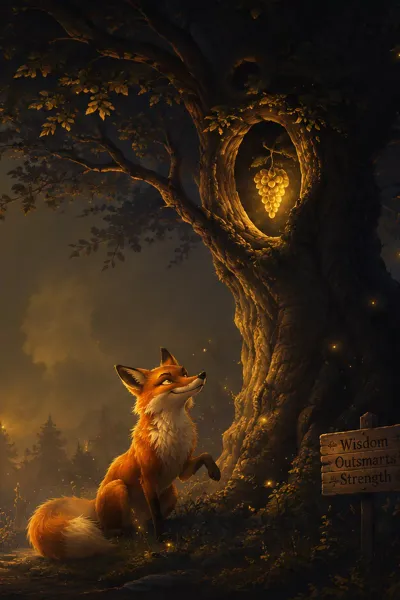
Favole in inglese
?
Il decimale indica dove si colloca il libro nel livello: C1.0 è l'inizio di C1, C1.9 è quasi C2
Centinaia di storie brevissime in cui animali parlanti, uomini e dèi antichi mettono in scena i vizi, i calcoli e le sciocchezze di tutti i giorni.
Il libro non ha una trama unica, ma è una lunga serie di micro-racconti indipendenti, spesso lunghi appena uno o due paragrafi. Ogni favola segue lo stesso schema: una situazione iniziale chiara, uno scontro di interessi o un inganno, una battuta finale tagliente e, a volte, una morale esplicita di una riga. Puoi aprirlo a qualsiasi pagina senza perdere il filo. La lingua della traduzione del 1912 di V. S. Vernon Jones usa un vocabolario di base per raccontare i fatti, ma lo incastra in frasi piuttosto lunghe e formali, tipiche dello stile classico britannico di inizio Novecento.
Ti piacerà se
- Cerchi testi che finiscono in due minuti, da leggere nei ritagli di tempo
- Vuoi vedere da dove vengono decine di modi di dire che usiamo ancora oggi
- Preferisci l'azione immediata e i dialoghi secchi alle lunghe descrizioni
- Ti piace l'ironia fredda e un po' cinica sulla natura umana
Non ti piacerà se
- Non c'è una storia principale né personaggi a cui affezionarsi pagina dopo pagina
- Leggerne troppe di fila risulta ripetitivo per via della struttura sempre uguale
- La sintassi del 1912 è molto più formale e articolata di quanto ci si aspetti da un libro di favole
- La visione del mondo è dura: spesso chi è debole o ingenuo fa una brutta fine senza consolazione
Che tipo di libro è “Favole”
Versioni di “Favole” in inglese: C1
Lo stesso libro, adattato a un livello che puoi leggere senza fermarti
Scegli una versione. La barra in fondo alla pagina apre quella selezionata.
?
Il decimale indica dove si colloca il libro nel livello: C1.0 è l'inizio di C1, C1.9 è quasi C2
Lessico per livello
- A1 66%
- A2 15%
- B1 8%
- B2 6%
- fuori dal dizionario 2%
Un estratto da “Favole” in inglese
Un solo passo, così come lo racconta ogni versione.
Tocca qualsiasi parola — ti mostreremo la traduzione
Le frecce si spostano tra le parole, Invio mostra la traduzione.Originale · C1.2255 parole
Aesop embodies an epigram not uncommon in human history; his fame is all the more deserved because he never deserved it. The firm foundations of common sense, the shrewd shots at uncommon sense, that characterise all the Fables, belong not him but to humanity. In the earliest human history whatever is authentic is universal: and whatever is universal is anonymous. In such cases there is always some central man who had first the trouble of collecting them, and afterwards the fame of creating them. He had the fame; and, on the whole, he earned the fame. There must have been something great and human, something of the human future and the human past, in such a man: even if he only used it to rob the past or deceive the future. The story of Arthur may have been really connected with the most fighting Christianity of falling Rome or with the most heathen traditions hidden in the hills of Wales. But the word “Mappe” or “Malory” will always mean King Arthur; even though we find older and better origins than the Mabinogian; or write later and worse versions than the Idylls of the King. The nursery fairy tales may have come out of Asia with the Indo-European race, now fortunately extinct; they may have been invented by some fine French lady or gentleman like Perrault: they may possibly even be what they profess to be. But we shall always call the best selection of such tales Grimm’s Tales: simply because it is the best collection.
La lingua originale di “Favole” e cosa ti offre
Difficoltà della lingua C1.2
Non farti ingannare dall'etichetta di «favole»: il livello misurato di questa traduzione del 1912 è C1.2. È vero che l'81% del vocabolario rientra nelle fasce base A1–A2, ma le frasi sono lunghe in media 21,4 parole, un valore alto che riflette una sintassi formale, piena di subordinate e costrutti participiali. Inoltre, trattandosi di quasi trecento storie diverse, incontrerai oltre 4.100 forme di parole distinte (tra cui moltissimi nomi specifici di animali, piante e mestieri antichi), con un 4% di termini oltre le 5.000 parole più frequenti e un 2% di arcaismi.
Cosa significa in pratica: Storie brevissime che non stancano la memoria, ma scritte con una sintassi d'epoca che richiede attenzione.
Cosa aspettarsi
Come leggerlo senza mollare
- Fai attenzione ai falsi amici tipici dei testi morali: quando leggi «sensible» significa ragionevole o pratico, mai «sensibile»; «pretend» vuol dire fingere, non pretendere.
- Non tradurre il passato a orecchio: le favole usano il Simple Past per ogni azione della storia, là dove in italiano useremmo spesso il passato prossimo o l'imperfetto.
- Segui sempre i pronomi soggetto («he», «she», «it», «they»): in frasi da venti parole con due animali che interagiscono, il pronome che l'italiano omette è l'unico modo per capire chi sta mangiando chi.
- Ripassa i phrasal verbs di movimento («make off», «fall upon», «give up»), perché qui sostituiscono spesso i verbi latini che ti risulterebbero più familiari.
Indice di “Favole” · 285 capitoli
- Introductionpagina 1
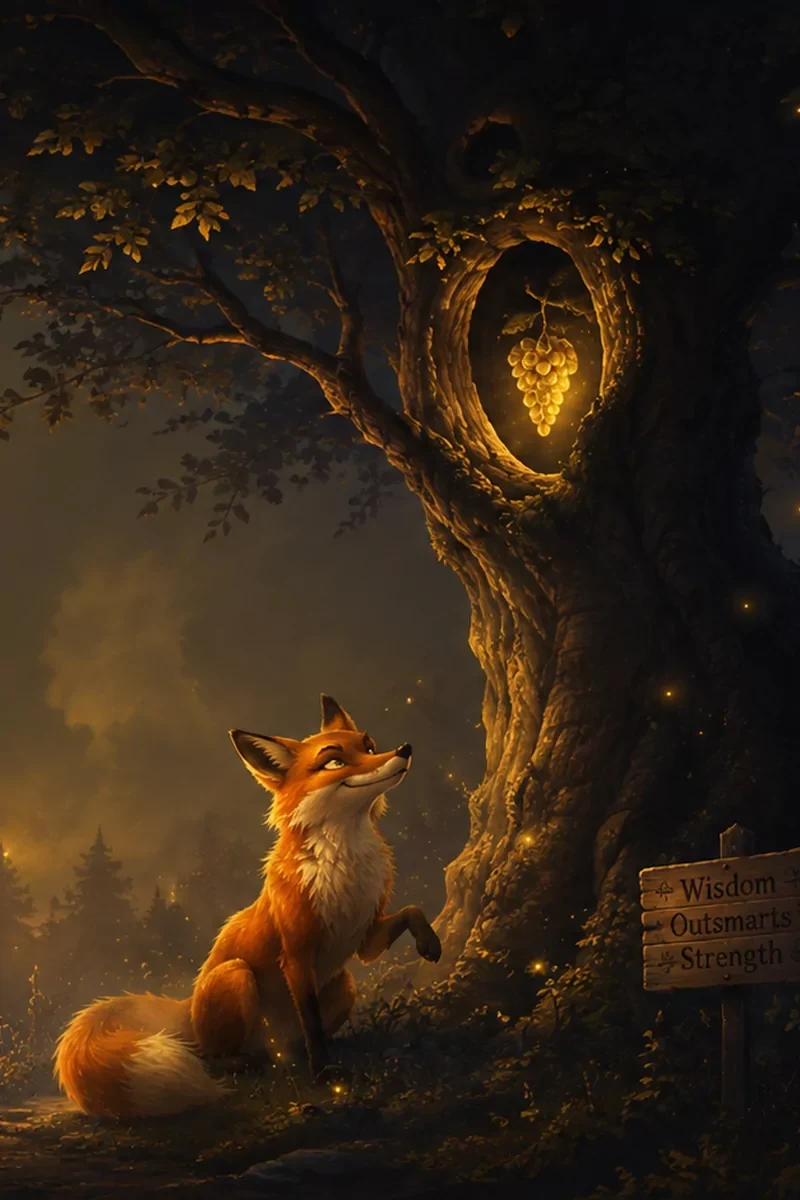
- The Fox and the Grapespagina 6
- The Goose That Laid the Golden Eggspagina 7
- The Cat and the Micepagina 7
- The Mischievous Dogpagina 8
- The Charcoal-Burner and the Fullerpagina 8
Tutti i 285 capitoliMostra meno
- The Mice in Councilpagina 8
- The Bat and the Weaselspagina 9
- The Dog and the Sowpagina 9
- The Fox and the Crowpagina 10
- The Horse and the Groompagina 10
- The Wolf and the Lambpagina 10
- The Peacock and the Cranepagina 11
- The Cat and the Birdspagina 11
- The Spendthrift and the Swallowpagina 11
- The Old Woman and the Doctorpagina 12
- The Moon and Her Motherpagina 13
- Mercury and the Woodmanpagina 13
- The Ass, the Fox, and the Lionpagina 14
- The Lion and the Mousepagina 15
- The Crow and the Pitcherpagina 15
- The Boys and the Frogspagina 16
- The North Wind and the Sunpagina 16
- The Mistress and Her Servantspagina 17
- The Goods and the Illspagina 17
- The Hares and the Frogspagina 18
- The Fox and the Storkpagina 19
- The Wolf in Sheep’s Clothingpagina 19
- The Stag in the Ox-Stallpagina 19
- The Milkmaid and Her Pailpagina 20
- The Dolphins, the Whales, and the Spratpagina 21
- The Fox and the Monkeypagina 21
- The Ass and the Lapdogpagina 22
- The Fir-Tree and the Bramblepagina 23
- The Frogs’ Complaint Against the Sunpagina 23
- The Dog, the Cock, and the Foxpagina 23
- The Gnat and the Bullpagina 24
- The Bear and the Travellerspagina 24
- The Slave and the Lionpagina 25
- The Flea and the Manpagina 26
- The Bee and Jupiterpagina 27
- The Oak and the Reedspagina 27
- The Blind Man and the Cubpagina 28
- The Boy and the Snailspagina 28
- The Apes and the Two Travellerspagina 28
- The Ass and His Burdenspagina 29
- The Shepherd’s Boy and the Wolfpagina 30
- The Fox and the Goatpagina 30
- The Fisherman and the Spratpagina 31
- The Boasting Travellerpagina 32
- The Crab and His Motherpagina 32
- The Ass and His Shadowpagina 32
- The Farmer and His Sonspagina 33
- The Dog and the Cookpagina 33
- The Monkey as Kingpagina 34
- The Thieves and the Cockpagina 35
- The Farmer and Fortunepagina 35
- Jupiter and the Monkeypagina 35
- Father and Sonspagina 36
- The Lamppagina 36
- The Owl and the Birdspagina 37
- The Ass in the Lion’s Skinpagina 37
- The She-Goats and Their Beardspagina 38
- The Old Lionpagina 38
- The Boy Bathingpagina 39
- The Quack Frogpagina 39
- The Swollen Foxpagina 39
- The Mouse, the Frog, and the Hawkpagina 40
- The Boy and the Nettlespagina 40
- The Peasant and the Apple-Treepagina 40
- The Jackdaw and the Pigeonspagina 41
- Jupiter and the Tortoisepagina 42
- The Dog in the Mangerpagina 42
- The Two Bagspagina 42
- The Oxen and the Axletreespagina 42
- The Boy and the Filbertspagina 43
- The Frogs Asking for a Kingpagina 43
- The Olive-Tree and the Fig-Treepagina 44
- The Lion and the Boarpagina 44
- The Walnut-Treepagina 45
- The Man and the Lionpagina 45
- The Tortoise and the Eaglepagina 45
- The Kid on the Housetoppagina 46
- The Fox Without a Tailpagina 46
- The Vain Jackdawpagina 47
- The Traveller and His Dogpagina 47
- The Shipwrecked Man and the Seapagina 47
- The Wild Boar and the Foxpagina 48
- Mercury and the Sculptorpagina 48
- The Fawn and His Motherpagina 49
- The Fox and the Lionpagina 49
- The Eagle and His Captorpagina 49
- The Blacksmith and His Dogpagina 50
- The Stag at the Poolpagina 50
- The Dog and the Shadowpagina 51
- Mercury and the Tradesmenpagina 51
- The Mice and the Weaselspagina 52
- The Peacock and Junopagina 52
- The Bear and the Foxpagina 53
- The Ass and the Old Peasantpagina 53
- The Ox and the Frogpagina 54
- The Man and the Imagepagina 54
- Hercules and the Wagonerpagina 55
- The Pomegranate, the Apple-Tree, and the Bramblepagina 55
- The Lion, the Bear, and the Foxpagina 55
- The Blackamoorpagina 56
- The Two Soldiers and the Robberpagina 56
- The Lion and the Wild Asspagina 57
- The Man and the Satyrpagina 57
- The Image-Sellerpagina 58
- The Eagle and the Arrowpagina 58
- The Rich Man and the Tannerpagina 58
- The Wolf, the Mother, and Her Childpagina 59
- The Old Woman and the Wine-Jarpagina 59
- The Lioness and the Vixenpagina 60
- The Viper and the Filepagina 60
- The Cat and the Cockpagina 60
- The Hare and the Tortoisepagina 61
- The Soldier and His Horsepagina 61
- The Oxen and the Butcherspagina 62
- The Wolf and the Lionpagina 62
- The Sheep, the Wolf, and the Stagpagina 63
- The Lion and the Three Bullspagina 63
- The Horse and His Riderpagina 63
- The Goat and the Vinepagina 64
- The Two Potspagina 64
- The Old Houndpagina 64
- The Clown and the Countrymanpagina 65
- The Lark and the Farmerpagina 66
- The Lion and the Asspagina 67
- The Prophetpagina 67
- The Hound and the Harepagina 67
- The Lion, the Mouse, and the Foxpagina 68
- The Trumpeter Taken Prisonerpagina 68
- The Wolf and the Cranepagina 69
- The Eagle, the Cat, and the Wild Sowpagina 69
- The Wolf and the Sheeppagina 70
- The Tunny-Fish and the Dolphinpagina 70
- The Three Tradesmenpagina 71
- The Mouse and the Bullpagina 71
- The Hare and the Houndpagina 72
- The Town Mouse and the Country Mousepagina 72
- The Lion and the Bullpagina 73
- The Wolf, the Fox, and the Apepagina 73
- The Eagle and the Cockspagina 74
- The Escaped Jackdawpagina 74
- The Farmer and the Foxpagina 74
- Venus and the Catpagina 75
- The Crow and the Swanpagina 75
- The Stag with One Eyepagina 76
- The Fly and the Draught-Mulepagina 76
- The Cock and the Jewelpagina 77
- The Wolf and the Shepherdpagina 77
- The Farmer and the Storkpagina 77
- The Charger and the Millerpagina 78
- The Grasshopper and the Owlpagina 78
- The Grasshopper and the Antspagina 79
- The Farmer and the Viperpagina 79
- The Two Frogspagina 80
- The Cobbler Turned Doctorpagina 80
- The Ass, the Cock, and the Lionpagina 81
- The Belly and the Memberspagina 81
- The Bald Man and the Flypagina 82
- The Ass and the Wolfpagina 82
- The Monkey and the Camelpagina 83
- The Sick Man and the Doctorpagina 83
- The Travellers and the Plane-Treepagina 84
- The Flea and the Oxpagina 84
- The Birds, the Beasts, and the Batpagina 85
- The Man and His Two Sweetheartspagina 85
- The Eagle, the Jackdaw, and the Shepherdpagina 86
- The Wolf and the Boypagina 86
- The Miller, His Son, and Their Asspagina 87
- The Stag and the Vinepagina 88
- The Lamb Chased by a Wolfpagina 89
- The Archer and the Lionpagina 89
- The Wolf and the Goatpagina 90
- The Sick Stagpagina 90
- The Ass and the Mulepagina 90
- Brother and Sisterpagina 91
- The Heifer and the Oxpagina 92
- The Kingdom of the Lionpagina 92
- The Ass and His Driverpagina 93
- The Lion and the Harepagina 93
- The Wolves and the Dogspagina 93
- The Bull and the Calfpagina 94
- The Trees and the Axepagina 94
- The Astronomerpagina 95
- The Labourer and the Snakepagina 95
- The Cage-Bird and the Batpagina 96
- The Ass and His Purchaserpagina 96
- The Kid and the Wolfpagina 97
- The Debtor and His Sowpagina 97
- The Bald Huntsmanpagina 98
- The Herdsman and the Lost Bullpagina 98
- The Mulepagina 99
- The Hound and the Foxpagina 99
- The Father and His Daughterspagina 99
- The Thief and the Innkeeperpagina 100
- The Pack-Ass and the Wild Asspagina 101
- The Ass and His Masterspagina 102
- The Pack-Ass, the Wild Ass, and the Lionpagina 102
- The Antpagina 103
- The Frogs and the Wellpagina 103
- The Crab and the Foxpagina 104
- The Fox and the Grasshopperpagina 104
- The Farmer, His Boy, and the Rookspagina 105
- The Ass and the Dogpagina 105
- The Ass Carrying the Imagepagina 106
- The Athenian and the Thebanpagina 107
- The Goatherd and the Goatpagina 107
- The Sheep and the Dogpagina 108
- The Shepherd and the Wolfpagina 108
- The Lion, Jupiter, and the Elephantpagina 109
- The Pig and the Sheeppagina 110
- The Gardener and His Dogpagina 110
- The Rivers and the Seapagina 110
- The Lion in Lovepagina 111
- The Beekeeperpagina 111
- The Wolf and the Horsepagina 112
- The Bat, the Bramble, and the Seagullpagina 112
- The Dog and the Wolfpagina 113
- The Wasp and the Snakepagina 113
- The Eagle and the Beetlepagina 114
- The Fowler and the Larkpagina 115
- The Fisherman Pipingpagina 115
- The Weasel and the Manpagina 115
- The Ploughman, the Ass, and the Oxpagina 116
- Demades and His Fablepagina 116
- The Monkey and the Dolphinpagina 117
- The Crow and the Snakepagina 117
- The Dogs and the Foxpagina 118
- The Nightingale and the Hawkpagina 118
- The Rose and the Amaranthpagina 118
- The Man, the Horse, the Ox, and the Dogpagina 119
- The Wolves, the Sheep, and the Rampagina 119
- The Swanpagina 120
- The Snake and Jupiterpagina 120
- The Wolf and His Shadowpagina 120
- The Ploughman and the Wolfpagina 121
- Mercury and the Man Bitten by an Antpagina 121
- The Wily Lionpagina 122
- The Parrot and the Catpagina 122
- The Stag and the Lionpagina 123
- The Impostorpagina 123
- The Dogs and the Hidespagina 124
- The Lion, the Fox, and the Asspagina 124
- The Fowler, the Partridge, and the Cockpagina 125
- The Gnat and the Lionpagina 125
- The Farmer and His Dogspagina 126
- The Eagle and the Foxpagina 126
- The Butcher and His Customerspagina 127
- Hercules and Minervapagina 128
- The Fox Who Served a Lionpagina 128
- The Quack Doctorpagina 129
- The Lion, the Wolf, and the Foxpagina 129
- Hercules and Plutuspagina 130
- The Fox and the Leopardpagina 131
- The Fox and the Hedgehogpagina 131
- The Crow and the Ravenpagina 131
- The Witchpagina 132
- The Old Man and Deathpagina 132
- The Miserpagina 133
- The Foxes and the Riverpagina 133
- The Horse and the Stagpagina 134
- The Fox and the Bramblepagina 135
- The Fox and the Snakepagina 135
- The Lion, the Fox, and the Stagpagina 135
- The Man Who Lost His Spadepagina 137
- The Partridge and the Fowlerpagina 138
- The Runaway Slavepagina 138
- The Hunter and the Woodmanpagina 138
- The Serpent and the Eaglepagina 139
- The Rogue and the Oraclepagina 139
- The Horse and the Asspagina 140
- The Dog Chasing a Wolfpagina 140
- Grief and His Duepagina 140
- The Hawk, the Kite, and the Pigeonspagina 141
- The Woman and the Farmerpagina 141
- Prometheus and the Making of Manpagina 142
- The Swallow and the Crowpagina 142
- The Hunter and the Horsemanpagina 142
- The Goatherd and the Wild Goatspagina 143
- The Nightingale and the Swallowpagina 144
- The Traveller and Fortunepagina 144
Valutazioni dei lettori per “Favole”
Ancora nessuna valutazione. Lascia la prima.
La tua valutazione
Recensioni dei lettori su “Favole”
Ancora nessuna recensione.
La storia di “Favole”
Caxton stampa Esopo in inglese
William Caxton stampò una versione inglese delle favole, uno dei primi libri di favole ad apparire in lingua inglese.
La traduzione di Vernon Jones
La rielaborazione in inglese semplice di V. S. Vernon Jones apparve a Londra nel 1912, illustrata da Arthur Rackham. Le frasi brevi e chiare ne fecero un testo di riferimento per i lettori che si avvicinavano alle favole in inglese.
Un narratore di cui si diceva che fosse uno schiavo
Esopo è tradizionalmente collocato nell'antica Grecia, e si dice che fosse uno schiavo. Le favole furono tramandate oralmente molto prima che qualcuno le mettesse per iscritto, e il suo nome finì per indicare qualsiasi breve racconto di animali con una morale.
Herodotus, Histories, book 2, mentions Aesop as a slave
La raccolta bizantina diventa il testo di base
Il monaco Massimo Planude mise insieme una raccolta di favole intorno al 1300. Fu la versione utilizzata dalla maggior parte degli stampatori rinascimentali quando i racconti giunsero per la prima volta alla stampa.
Nella cultura “Favole”
9 adattamenti e menzioni, 1912–1959
Arte Le illustrazioni di Rackham
I disegni di Arthur Rackham per il testo di Vernon Jones diedero agli animali il loro duraturo aspetto tipicamente inglese, tra alberi nodosi e volti espressivi.
Film La lepre e la tartaruga della Disney
Un cartone animato della serie Silly Symphony che ripropone la gara, vincitore del premio Oscar per il miglior cortometraggio d'animazione.
Serie Aesop and Son
The Rocky and Bullwinkle Show presentava un segmento animato ricorrente in cui al figlio di Esopo veniva raccontata una favola che si concludeva con un gioco di parole camuffato da morale.
Nella lingua Uva acerba
Da La volpe e l'uva: una volpe che non riesce a raggiungere il frutto decide che è comunque acerbo, e l'espressione oggi significa fingere di non aver mai desiderato ciò che non si è potuto ottenere.
Nella lingua Gridare al lupo
Il pastorello che lancia falsi allarmi non viene creduto quando il lupo arriva davvero; gridare al lupo significa dare così tanti falsi avvertimenti che quello vero viene ignorato.
Nella lingua La parte del leone
Nella favola il leone prende quasi tutto il bottino di una caccia condivisa, e l'espressione oggi indica la parte più grande di qualsiasi cosa.
Nella lingua Chi va piano va sano e va lontano
La tartaruga batte la lepre senza mai fermarsi, e la storia è ancora oggi il simbolo per eccellenza della costanza che batte il talento che si adagia.
Nella lingua Attaccare il campanello al gatto
I topi concordano sul fatto che mettere un campanello al gatto li salverebbe, ma nessuno vuole legarglielo al collo; l'espressione indica un piano che sembra ottimo ma che nessuno metterà in pratica.
Nella lingua Un lupo travestito da agnello
Una creatura pericolosa camuffata da innocente; si usa per indicare chiunque nasconda cattive intenzioni dietro modi amichevoli.
Domande e risposte su “Favole” in inglese
Esopo è esistito davvero?
Non ne siamo sicuri, ma la tradizione antica lo descrive come uno schiavo vissuto in Grecia nel VI secolo a.C. Anche se fosse esistito, non ha scritto lui tutte queste storie: il suo nome è diventato nel tempo un'etichetta sotto cui greci e romani hanno raccolto centinaia di racconti popolari.
È un libro per bambini o per adulti?
In origine queste favole sono nate per gli adulti, usate nei discorsi politici e filosofici per spiegare rapporti di potere e comportamenti umani. Solo molti secoli dopo sono passate nelle scuole per via degli animali parlanti, ma il loro tono originale resta cinico, pratico e per nulla infantile.
Bisogna leggerlo dall'inizio alla fine in ordine?
No, ogni favola è completamente autonoma e non c'è alcun legame tra una pagina e la successiva. Anzi, leggerlo tutto d'un fiato come un romanzo è sconsigliato perché lo schema si ripete: funziona molto meglio leggendone tre o quattro alla volta.
Ci sono davvero «La volpe e l'uva» e «La lepre e la tartaruga»?
Sì, sono entrambe qui insieme a molte altre che conosci già sotto forma di proverbio, come «Al lupo! Al lupo!» o «La cicala e la formica». Ti sorprenderà vedere quanto sono corte rispetto alle versioni allungate dei libri illustrati: spesso l'intera storia dura meno di dieci righe.
Che differenza c'è tra Esopo, Fedro e La Fontaine?
Esopo rappresenta la radice greca in prosa: testi asciutti, senza fronzoli, che badano solo al fatto e alla lezione pratica. Il romano Fedro e, molti secoli dopo, il francese La Fontaine hanno ripreso le stesse identiche trame ma le hanno riscritte in versi, aggiungendo stile poetico, ironia salottiera e dettagli psicologici.
Tutte le favole hanno la morale scritta alla fine?
No, in questa edizione di Vernon Jones molte favole si chiudono con la frase finale di un personaggio, che fa già da lezione, mentre altre hanno una riga staccata con la morale esplicita. Storicamente le morali finali sono state aggiunte da copiatori e curatori successivi per rendere il senso ancora più chiaro.
Perché in certi racconti non ci sono animali ma dèi o persone?
Perché nel mondo antico la «favola esopica» non era definita dalla presenza degli animali, ma dalla sua funzione di esempio pratico. Troverai quindi anche viaggiatori, contadini, medici, oltre a Giove, Ercole o Mercurio che scendono sulla terra per mettere alla prova l'ipocrisia degli esseri umani.
Perché viene sempre usato a scuola per imparare le lingue?
Si usa fin dall'antichità perché la trama è tutta esteriore: succede un fatto concreto e se ne trae una conseguenza logica, senza lunghi pensieri astratti. Inoltre, conoscendo già il finale di molte storie famose, chi legge in una lingua straniera può indovinare il significato delle parole nuove dal contesto.
Chi rischia di annoiarsi con questo libro?
Chi cerca l'immersione in un mondo narrativo, l'evoluzione psicologica dei personaggi o la tensione di una trama lunga. Qui i personaggi non hanno un nome proprio, non cambiano mai idea e servono solo a dimostrare una regola di vita in pochi secondi.
In breve su “Favole”
17 campi di dati editoriali e caratteristiche misurate del testo. Tutto verificabile.
- Titolo originale
- Fables · “Favole”
- Autore
- Esopo
- Prima pubblicazione
- 1912
- Lingua originale
- Inglese
- Genere
- Favole e parabole · Classici · Animali
- Atmosfera
- Delicato
- Temi
- Società · Avidità · Potere
- Ambientazione
- Antica Grecia (campagne, boschi, villaggi senza nome) · Antichità
- Parole distinte
- 4.131
- Parole per frase
- 21 parole
- Livello dell’originale
- C1.2
- Versioni
- C1.2
- Lunghezza dell’originale
- 285 cap. · 39.596 parole
- Tempo di lettura
- ~3 h e 40 min
- Testo di origine
- Standard Ebooks
- Scarica
- EPUB
Simili cosa leggere dopo “Favole”
Affini per spirito
8Lo stesso genere e lo stesso registro.

Zanna Bianca
Jack London
C2orig.B1B2
~6 h e 40 min · Avventura
The Odyssey / Rendered into English prose for the use of those who cannot read the original
Homer
C1.8orig.
~11 h e 50 min · Classici
Delitto e castigo
Fëdor Dostoevskij
C1.7orig.B1B2
~18 h e 50 min · Classici
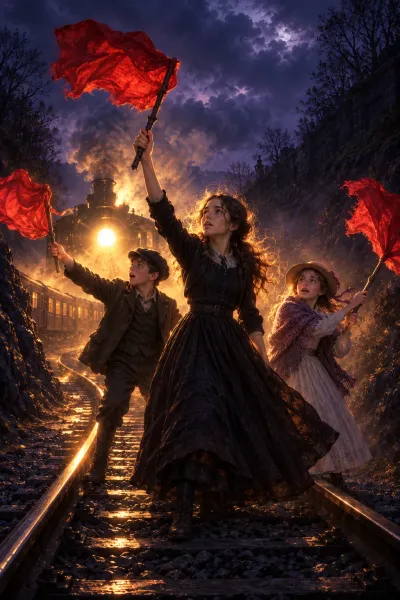
I ragazzi della ferrovia
Edith Nesbit
C1.2orig.B1
~5 h e 30 min · Classici
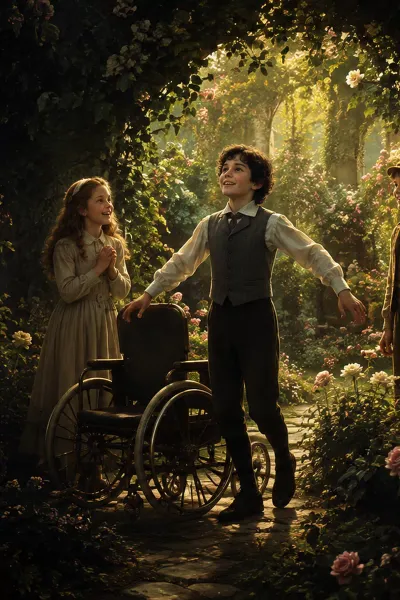
Il giardino segreto
Frances Hodgson Burnett
C1.2orig.B1
~7 h e 30 min · Classici
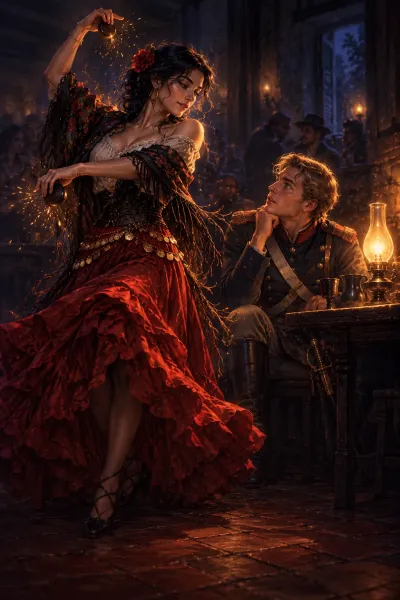
Carmen
Prosper Mérimée
C1.8orig.B1B2
~2 h e 10 min · Classici

Tao Te Ching
Lao Tzu
C2orig.B1
~3 h e 40 min · Filosofia

Jane Eyre
Charlotte Brontë
C2orig.B1C1
~17 h e 20 min · Classici
Scheda del libro ≈0.2.0 · 14 ott 2026