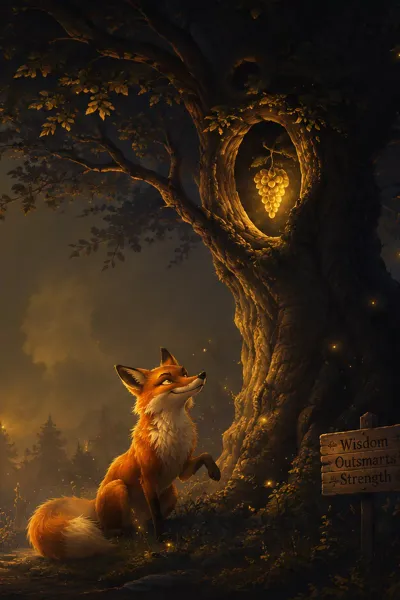
Äsops Fabeln auf Englisch
?
Die Nachkommastelle zeigt, wo das Buch innerhalb des Niveaus liegt: C1.0 ist der Anfang von C1, C1.9 ist fast C2
Eine Sammlung sehr kurzer antiker Geschichten, in denen sprechende Tiere, Götter und Menschen durch ihre eigenen Schwächen stolpern.
Das Buch hat keine durchgehende Handlung, sondern reiht knapp dreihundert unabhängige Kurztexte aneinander, die selten länger als eine halbe Seite sind. Jede Fabel folgt demselben Bauplan: Eine Ausgangslage wird in einem Satz skizziert, zwei Figuren treffen aufeinander, ein kurzer Wortwechsel oder eine Handlung kippt die Situation, und die Schlusspointe zieht die Bilanz. Die Übersetzung von V. S. Vernon Jones stammt von 1912 und pflegt ein formelles, leicht altertümliches britisches Englisch. Der Ton bleibt kühl und beobachtend, ohne Ausschmückungen oder psychologische Tiefe.
Gefällt dir, wenn
- du abgeschlossene Texte suchst, die sich in zwei Minuten lesen lassen
- du ein Buch möchtest, das man jederzeit unterbrechen und an beliebiger Stelle wieder aufschlagen kann
- du Freude an trockener, unsentimentaler Beobachtung menschlicher Schwächen hast
- du die englischen Redewendungen kennenlernen willst, die aus diesen Geschichten stammen
Eher nichts für dich, wenn
- du eine zusammenhängende Geschichte mit echten Figuren und einer Entwicklung erwartest
- dich das immer gleiche Muster aus Fehler und Belehrung nach zwanzig Seiten ermüdet
- du modernes Alltagsenglisch suchst statt einer formellen Übersetzung von 1912
- du glaubst, kurze Texte seien automatisch leichtes Englisch
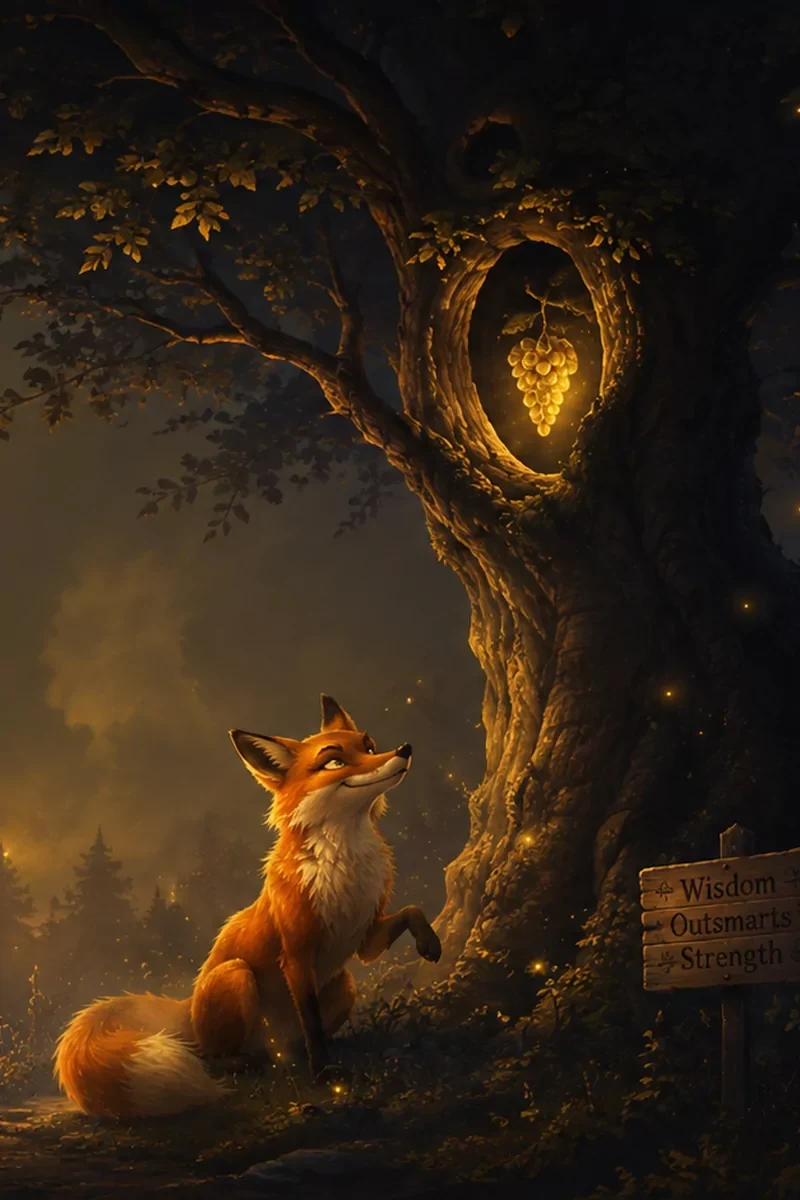
Was für ein Buch „Äsops Fabeln“ ist
Versionen von „Äsops Fabeln“ auf Englisch: C1
Dasselbe Buch, angepasst an ein Niveau, auf dem du flüssig durchlesen kannst
Wähle eine Version. Über die Leiste unten auf der Seite öffnest du deine Auswahl.
?
Die Nachkommastelle zeigt, wo das Buch innerhalb des Niveaus liegt: C1.0 ist der Anfang von C1, C1.9 ist fast C2
Wortschatz nach Niveau
- A1 66%
- A2 15%
- B1 8%
- B2 6%
- nicht im Wörterbuch 2%
Leseprobe aus „Äsops Fabeln“ auf Englisch
Eine Textstelle – so, wie jede Version sie schreibt.
Tippe auf ein Wort – wir zeigen dir die Übersetzung
Mit den Pfeiltasten wechselst du zwischen Wörtern, Enter zeigt die Übersetzung.Original · C1.2255 Wörter
Aesop embodies an epigram not uncommon in human history; his fame is all the more deserved because he never deserved it. The firm foundations of common sense, the shrewd shots at uncommon sense, that characterise all the Fables, belong not him but to humanity. In the earliest human history whatever is authentic is universal: and whatever is universal is anonymous. In such cases there is always some central man who had first the trouble of collecting them, and afterwards the fame of creating them. He had the fame; and, on the whole, he earned the fame. There must have been something great and human, something of the human future and the human past, in such a man: even if he only used it to rob the past or deceive the future. The story of Arthur may have been really connected with the most fighting Christianity of falling Rome or with the most heathen traditions hidden in the hills of Wales. But the word “Mappe” or “Malory” will always mean King Arthur; even though we find older and better origins than the Mabinogian; or write later and worse versions than the Idylls of the King. The nursery fairy tales may have come out of Asia with the Indo-European race, now fortunately extinct; they may have been invented by some fine French lady or gentleman like Perrault: they may possibly even be what they profess to be. But we shall always call the best selection of such tales Grimm’s Tales: simply because it is the best collection.
Die Originalsprache von „Äsops Fabeln“ und was sie dir bringt
Wie schwer die Sprache ist C1.2
Lass dich von der Kürze der einzelnen Texte nicht täuschen: Unsere Messung stuft das Original auf C1.2 ein. Zwar stammen 81 % der Wörter aus dem Grundwortschatz (66 % A1, 15 % A2), aber ein durchschnittlicher Satz ist 21,4 Wörter lang, weil die Übersetzung von 1912 ganze Handlungsabläufe in verschachtelte Satzgefüge packt. Dazu kommen rund 4.130 verschiedene Wortformen auf knapp 40.000 Wörter Gesamtlänge, weil ständig neue Tiere, Werkzeuge und Berufe auftauchen; 4 % des Wortschatzes liegen jenseits der 5.000 häufigsten Wörter und 2 % sind veraltete Ausdrücke.
Was das praktisch heißt: Kurze Happen, aber sprachlich anspruchsvoll: ideal für zwischendurch, wenn du lange Sätze und historischen Wortschatz nicht scheust.
Worauf du dich einstellen solltest
Wie du es liest und nicht aufhörst
- Achte auf die Satzstellung bei vorangestellten Partizipien («Seeing the Fox, the Crow…»): Anders als im Deutschen mit seiner Verb-Zweit-Stellung bleibt das Hauptsubjekt im Englischen strikt vor seinem Verb.
- Lass dich nicht von typischen falschen Freunden in die Irre führen: «sensible» heißt in diesen Texten vernünftig (nicht sensibel), und «eventually» bedeutet am Ende oder schließlich (nicht eventuell).
- Im Deutschen erzählt man kurze Geschichten oft im Perfekt, im Englischen stehen die Fabeln durchgehend im Simple Past, kombiniert mit dem Past Perfect für alles, was vorher geschah – eine gute Übung für die Zeitenfolge.
- Viele Tier- und Pflanzennamen sind im Englischen klein geschrieben, außer wenn Äsop sie hier als Eigennamen nutzt für die Figur («the Fox», «the Wolf») – verwechsle diese stilistische Großschreibung nicht mit der deutschen Regel für alle Nomen.
Inhalt von „Äsops Fabeln“ · 285 Kapitel
- IntroductionSeite 1
- The Fox and the GrapesSeite 6
- The Goose That Laid the Golden EggsSeite 7
- The Cat and the MiceSeite 7
- The Mischievous DogSeite 8
- The Charcoal-Burner and the FullerSeite 8
Alle 285 KapitelWeniger anzeigen
- The Mice in CouncilSeite 8
- The Bat and the WeaselsSeite 9
- The Dog and the SowSeite 9
- The Fox and the CrowSeite 10
- The Horse and the GroomSeite 10
- The Wolf and the LambSeite 10
- The Peacock and the CraneSeite 11
- The Cat and the BirdsSeite 11
- The Spendthrift and the SwallowSeite 11
- The Old Woman and the DoctorSeite 12
- The Moon and Her MotherSeite 13
- Mercury and the WoodmanSeite 13
- The Ass, the Fox, and the LionSeite 14
- The Lion and the MouseSeite 15
- The Crow and the PitcherSeite 15
- The Boys and the FrogsSeite 16
- The North Wind and the SunSeite 16
- The Mistress and Her ServantsSeite 17
- The Goods and the IllsSeite 17
- The Hares and the FrogsSeite 18
- The Fox and the StorkSeite 19
- The Wolf in Sheep’s ClothingSeite 19
- The Stag in the Ox-StallSeite 19
- The Milkmaid and Her PailSeite 20
- The Dolphins, the Whales, and the SpratSeite 21
- The Fox and the MonkeySeite 21
- The Ass and the LapdogSeite 22
- The Fir-Tree and the BrambleSeite 23
- The Frogs’ Complaint Against the SunSeite 23
- The Dog, the Cock, and the FoxSeite 23
- The Gnat and the BullSeite 24
- The Bear and the TravellersSeite 24
- The Slave and the LionSeite 25
- The Flea and the ManSeite 26
- The Bee and JupiterSeite 27
- The Oak and the ReedsSeite 27
- The Blind Man and the CubSeite 28
- The Boy and the SnailsSeite 28
- The Apes and the Two TravellersSeite 28
- The Ass and His BurdensSeite 29
- The Shepherd’s Boy and the WolfSeite 30
- The Fox and the GoatSeite 30
- The Fisherman and the SpratSeite 31
- The Boasting TravellerSeite 32
- The Crab and His MotherSeite 32
- The Ass and His ShadowSeite 32
- The Farmer and His SonsSeite 33
- The Dog and the CookSeite 33
- The Monkey as KingSeite 34
- The Thieves and the CockSeite 35
- The Farmer and FortuneSeite 35
- Jupiter and the MonkeySeite 35
- Father and SonsSeite 36
- The LampSeite 36
- The Owl and the BirdsSeite 37
- The Ass in the Lion’s SkinSeite 37
- The She-Goats and Their BeardsSeite 38
- The Old LionSeite 38
- The Boy BathingSeite 39
- The Quack FrogSeite 39
- The Swollen FoxSeite 39
- The Mouse, the Frog, and the HawkSeite 40
- The Boy and the NettlesSeite 40
- The Peasant and the Apple-TreeSeite 40
- The Jackdaw and the PigeonsSeite 41
- Jupiter and the TortoiseSeite 42
- The Dog in the MangerSeite 42
- The Two BagsSeite 42
- The Oxen and the AxletreesSeite 42
- The Boy and the FilbertsSeite 43
- The Frogs Asking for a KingSeite 43
- The Olive-Tree and the Fig-TreeSeite 44
- The Lion and the BoarSeite 44
- The Walnut-TreeSeite 45
- The Man and the LionSeite 45
- The Tortoise and the EagleSeite 45
- The Kid on the HousetopSeite 46
- The Fox Without a TailSeite 46
- The Vain JackdawSeite 47
- The Traveller and His DogSeite 47
- The Shipwrecked Man and the SeaSeite 47
- The Wild Boar and the FoxSeite 48
- Mercury and the SculptorSeite 48
- The Fawn and His MotherSeite 49
- The Fox and the LionSeite 49
- The Eagle and His CaptorSeite 49
- The Blacksmith and His DogSeite 50
- The Stag at the PoolSeite 50
- The Dog and the ShadowSeite 51
- Mercury and the TradesmenSeite 51
- The Mice and the WeaselsSeite 52
- The Peacock and JunoSeite 52
- The Bear and the FoxSeite 53
- The Ass and the Old PeasantSeite 53
- The Ox and the FrogSeite 54
- The Man and the ImageSeite 54
- Hercules and the WagonerSeite 55
- The Pomegranate, the Apple-Tree, and the BrambleSeite 55
- The Lion, the Bear, and the FoxSeite 55
- The BlackamoorSeite 56
- The Two Soldiers and the RobberSeite 56
- The Lion and the Wild AssSeite 57
- The Man and the SatyrSeite 57
- The Image-SellerSeite 58
- The Eagle and the ArrowSeite 58
- The Rich Man and the TannerSeite 58
- The Wolf, the Mother, and Her ChildSeite 59
- The Old Woman and the Wine-JarSeite 59
- The Lioness and the VixenSeite 60
- The Viper and the FileSeite 60
- The Cat and the CockSeite 60
- The Hare and the TortoiseSeite 61
- The Soldier and His HorseSeite 61
- The Oxen and the ButchersSeite 62
- The Wolf and the LionSeite 62
- The Sheep, the Wolf, and the StagSeite 63
- The Lion and the Three BullsSeite 63
- The Horse and His RiderSeite 63
- The Goat and the VineSeite 64
- The Two PotsSeite 64
- The Old HoundSeite 64
- The Clown and the CountrymanSeite 65
- The Lark and the FarmerSeite 66
- The Lion and the AssSeite 67
- The ProphetSeite 67
- The Hound and the HareSeite 67
- The Lion, the Mouse, and the FoxSeite 68
- The Trumpeter Taken PrisonerSeite 68
- The Wolf and the CraneSeite 69
- The Eagle, the Cat, and the Wild SowSeite 69
- The Wolf and the SheepSeite 70
- The Tunny-Fish and the DolphinSeite 70
- The Three TradesmenSeite 71
- The Mouse and the BullSeite 71
- The Hare and the HoundSeite 72
- The Town Mouse and the Country MouseSeite 72
- The Lion and the BullSeite 73
- The Wolf, the Fox, and the ApeSeite 73
- The Eagle and the CocksSeite 74
- The Escaped JackdawSeite 74
- The Farmer and the FoxSeite 74
- Venus and the CatSeite 75
- The Crow and the SwanSeite 75
- The Stag with One EyeSeite 76
- The Fly and the Draught-MuleSeite 76
- The Cock and the JewelSeite 77
- The Wolf and the ShepherdSeite 77
- The Farmer and the StorkSeite 77
- The Charger and the MillerSeite 78
- The Grasshopper and the OwlSeite 78
- The Grasshopper and the AntsSeite 79
- The Farmer and the ViperSeite 79
- The Two FrogsSeite 80
- The Cobbler Turned DoctorSeite 80
- The Ass, the Cock, and the LionSeite 81
- The Belly and the MembersSeite 81
- The Bald Man and the FlySeite 82
- The Ass and the WolfSeite 82
- The Monkey and the CamelSeite 83
- The Sick Man and the DoctorSeite 83
- The Travellers and the Plane-TreeSeite 84
- The Flea and the OxSeite 84
- The Birds, the Beasts, and the BatSeite 85
- The Man and His Two SweetheartsSeite 85
- The Eagle, the Jackdaw, and the ShepherdSeite 86
- The Wolf and the BoySeite 86
- The Miller, His Son, and Their AssSeite 87
- The Stag and the VineSeite 88
- The Lamb Chased by a WolfSeite 89
- The Archer and the LionSeite 89
- The Wolf and the GoatSeite 90
- The Sick StagSeite 90
- The Ass and the MuleSeite 90
- Brother and SisterSeite 91
- The Heifer and the OxSeite 92
- The Kingdom of the LionSeite 92
- The Ass and His DriverSeite 93
- The Lion and the HareSeite 93
- The Wolves and the DogsSeite 93
- The Bull and the CalfSeite 94
- The Trees and the AxeSeite 94
- The AstronomerSeite 95
- The Labourer and the SnakeSeite 95
- The Cage-Bird and the BatSeite 96
- The Ass and His PurchaserSeite 96
- The Kid and the WolfSeite 97
- The Debtor and His SowSeite 97
- The Bald HuntsmanSeite 98
- The Herdsman and the Lost BullSeite 98
- The MuleSeite 99
- The Hound and the FoxSeite 99
- The Father and His DaughtersSeite 99
- The Thief and the InnkeeperSeite 100
- The Pack-Ass and the Wild AssSeite 101
- The Ass and His MastersSeite 102
- The Pack-Ass, the Wild Ass, and the LionSeite 102
- The AntSeite 103
- The Frogs and the WellSeite 103
- The Crab and the FoxSeite 104
- The Fox and the GrasshopperSeite 104
- The Farmer, His Boy, and the RooksSeite 105
- The Ass and the DogSeite 105
- The Ass Carrying the ImageSeite 106
- The Athenian and the ThebanSeite 107
- The Goatherd and the GoatSeite 107
- The Sheep and the DogSeite 108
- The Shepherd and the WolfSeite 108
- The Lion, Jupiter, and the ElephantSeite 109
- The Pig and the SheepSeite 110
- The Gardener and His DogSeite 110
- The Rivers and the SeaSeite 110
- The Lion in LoveSeite 111
- The BeekeeperSeite 111
- The Wolf and the HorseSeite 112
- The Bat, the Bramble, and the SeagullSeite 112
- The Dog and the WolfSeite 113
- The Wasp and the SnakeSeite 113
- The Eagle and the BeetleSeite 114
- The Fowler and the LarkSeite 115
- The Fisherman PipingSeite 115
- The Weasel and the ManSeite 115
- The Ploughman, the Ass, and the OxSeite 116
- Demades and His FableSeite 116
- The Monkey and the DolphinSeite 117
- The Crow and the SnakeSeite 117
- The Dogs and the FoxSeite 118
- The Nightingale and the HawkSeite 118
- The Rose and the AmaranthSeite 118
- The Man, the Horse, the Ox, and the DogSeite 119
- The Wolves, the Sheep, and the RamSeite 119
- The SwanSeite 120
- The Snake and JupiterSeite 120
- The Wolf and His ShadowSeite 120
- The Ploughman and the WolfSeite 121
- Mercury and the Man Bitten by an AntSeite 121
- The Wily LionSeite 122
- The Parrot and the CatSeite 122
- The Stag and the LionSeite 123
- The ImpostorSeite 123
- The Dogs and the HidesSeite 124
- The Lion, the Fox, and the AssSeite 124
- The Fowler, the Partridge, and the CockSeite 125
- The Gnat and the LionSeite 125
- The Farmer and His DogsSeite 126
- The Eagle and the FoxSeite 126
- The Butcher and His CustomersSeite 127
- Hercules and MinervaSeite 128
- The Fox Who Served a LionSeite 128
- The Quack DoctorSeite 129
- The Lion, the Wolf, and the FoxSeite 129
- Hercules and PlutusSeite 130
- The Fox and the LeopardSeite 131
- The Fox and the HedgehogSeite 131
- The Crow and the RavenSeite 131
- The WitchSeite 132
- The Old Man and DeathSeite 132
- The MiserSeite 133
- The Foxes and the RiverSeite 133
- The Horse and the StagSeite 134
- The Fox and the BrambleSeite 135
- The Fox and the SnakeSeite 135
- The Lion, the Fox, and the StagSeite 135
- The Man Who Lost His SpadeSeite 137
- The Partridge and the FowlerSeite 138
- The Runaway SlaveSeite 138
- The Hunter and the WoodmanSeite 138
- The Serpent and the EagleSeite 139
- The Rogue and the OracleSeite 139
- The Horse and the AssSeite 140
- The Dog Chasing a WolfSeite 140
- Grief and His DueSeite 140
- The Hawk, the Kite, and the PigeonsSeite 141
- The Woman and the FarmerSeite 141
- Prometheus and the Making of ManSeite 142
- The Swallow and the CrowSeite 142
- The Hunter and the HorsemanSeite 142
- The Goatherd and the Wild GoatsSeite 143
- The Nightingale and the SwallowSeite 144
- The Traveller and FortuneSeite 144
Bewertungen für „Äsops Fabeln“
Noch keine Bewertungen. Gib die erste ab.
Deine Bewertung
Rezensionen zu „Äsops Fabeln“
Noch keine Rezensionen.
Die Geschichte hinter „Äsops Fabeln“
Caxton druckt Äsop auf Englisch
William Caxton druckte eine englische Fassung der Fabeln und damit eines der frühesten Fabelbücher in englischer Sprache.
Die Übersetzung von Vernon Jones
Die schlichte englische Nacherzählung von V. S. Vernon Jones erschien 1912 in London, illustriert von Arthur Rackham. Die kurzen, klaren Sätze machten sie zu einem Standardtext für Leser, die den Fabeln auf Englisch begegnen.
Ein Geschichtenerzähler, der ein Sklave gewesen sein soll
Äsop wird traditionell im antiken Griechenland verortet und soll ein Sklave gewesen sein. Die Fabeln wurden mündlich überliefert, lange bevor jemand sie niederschrieb, und der Name stand schließlich für jede kurze Tiergeschichte mit einer Moral.
Herodotus, Histories, book 2, mentions Aesop as a slave
Byzantinische Sammlung wird zum Basistext
Der Mönch Maximos Planudes stellte um 1300 eine Fabelsammlung zusammen. Es war die Fassung, die die meisten Drucker der Renaissance verwendeten, als die Geschichten erstmals gedruckt wurden.
In der Kultur „Äsops Fabeln“
9 Adaptionen und Erwähnungen, 1912–1959
Kunst Rackhams Illustrationen
Arthur Rackhams Zeichnungen für den Text von Vernon Jones verliehen den Tieren mit knorrigen Bäumen und ausdrucksstarken Gesichtern ihr langlebiges englisches Aussehen.
Film Disneys Die Schildkröte und der Hase
Ein Silly-Symphony-Zeichentrickfilm, der das Wettrennen nacherzählt und den Oscar für den besten animierten Kurzfilm gewann.
Serie Aesop and Son
In The Rocky and Bullwinkle Show gab es ein wiederkehrendes Zeichentricksegment, in dem Äsops Sohn eine Fabel vorgetragen bekam und mit einem als Moral getarnten Wortspiel endete.
In der Sprache Saure Trauben
Aus «Der Fuchs und die Trauben»: Ein Fuchs, der die Früchte nicht erreichen kann, beschließt, dass sie ohnehin sauer waren, und die Redewendung bedeutet heute, so zu tun, als hätte man das Unerreichbare nie gewollt.
In der Sprache „Wolf!“ rufen
Dem Hirtenjungen, der falschen Alarm schlägt, wird nicht geglaubt, als der Wolf schließlich kommt; die Redewendung bedeutet, so viele falsche Warnungen auszusprechen, dass eine echte ignoriert wird.
In der Sprache Der Löwenanteil
In der Fabel nimmt sich der Löwe fast alles von einer gemeinsamen Jagd, und der Ausdruck bezeichnet heute den größten Teil von etwas.
In der Sprache Langsam und stetig
Die Schildkröte schlägt den Hasen, indem sie niemals anhält, und die Geschichte steht bis heute sinnbildlich für Geduld, die über nachlässiges Talent siegt.
In der Sprache Der Katze die Schelle umhängen
Die Mäuse sind sich einig, dass eine Glocke an der Katze sie retten würde, doch niemand will sie ihr umbinden; die Redewendung bezeichnet einen Plan, der gut klingt, den aber niemand ausführen will.
In der Sprache Ein Wolf im Schafspelz
Ein gefährliches Wesen, das sich als harmlos tarnt; man verwendet den Ausdruck für jeden, dessen freundliches Auftreten böse Absichten verbirgt.
Fragen und Antworten zu „Äsops Fabeln“ auf Englisch
In welcher Reihenfolge liest man Äsops Fabeln am besten?
Es gibt keine feste Reihenfolge, du kannst das Buch an jeder beliebigen Stelle aufschlagen. Die Stücke sind völlig unabhängig voneinander und teilen sich keine durchgehende Handlung. Am besten liest du nur eine Handvoll auf einmal, weil sich die Struktur bei langem Lesen am Stück schnell abnutzt.
Sind Äsops Fabeln auf Englisch wirklich leicht für Anfänger?
Nein, zumindest nicht in dieser ungekürzten Originalübersetzung von 1912. Die einzelnen Geschichten sind zwar sehr kurz, aber die Sätze sind lang und nutzen viele veraltete Wendungen sowie spezielle Tier- und Handwerksbegriffe. Wer gerade erst mit Englisch anfängt, braucht eine vereinfachte Fassung und nicht den Text von Vernon Jones.
Gab es Äsop wirklich oder ist er eine Legende?
Ob Äsop als historische Person gelebt hat, ist bis heute nicht sicher bewiesen. Der Überlieferung nach war er im 6. Jahrhundert vor Christus ein Sklave in Griechenland, doch schon in der Antike wurden unter seinem Namen allerlei Fabeln gesammelt, die aus ganz verschiedenen Quellen stammten. «Äsop» ist deshalb eher ein Sammelbegriff für eine ganze Textgattung als ein einzelner Autor.
Sind Geschichten wie die vom Fuchs und den Trauben oder Hase und Schildkröte hier drin?
Ja, genau aus dieser Sammlung stammen diese bekannten Geschichten. Im Englischen heißen sie «The Fox and the Grapes» und «The Hare and the Tortoise» und haben Redewendungen wie «sour grapes» geprägt. Daneben findest du aber auch Hunderte fast vergessene Stücke, die im Alltag kaum jemand kennt.
Warum sind die Tiere in den Fabeln oft so grausam und unmoralisch?
Äsops Fabeln sind keine modernen Kindergeschichten, sondern nüchterne Überlebensregeln aus der Antike. Sie zeigen nicht, wie die Welt im Idealfall sein sollte, sondern wie Macht, Dummheit und Täuschung im echten Leben wirken. Wenn ein schwaches Tier einem starken vertraut, wird es gefressen – die Moral warnt vor Naivität, statt Trost zu spenden.
Was ist der Unterschied zwischen Äsop und den Fabeln von La Fontaine oder Lessing?
Äsop liefert die antiken Vorlagen in schmuckloser, knapper Prosa. Spätere Autoren wie Jean de La Fontaine im Französischen oder Gotthold Ephraim Lessing im Deutschen haben genau diese Stoffe genommen und sie in kunstvolle Verse, satirische Gesellschaftskritik oder literarische Experimente verwandelt. Bei Äsop steht das nackte Ereignis ohne jede Ausschmückung.
Warum steht nicht unter jeder einzelnen Fabel eine Moral?
Die angehängten Schlusssätze wurden erst Jahrhunderte später von Abschreibern und Herausgebern hinzugefügt, als man die Texte für den Schulunterricht nutzte. In vielen Fabeln spricht die Schlusspointe einer Figur bereits für sich, sodass die Übersetzung von Vernon Jones auf einen zusätzlichen Merksatz verzichtet.
Warum wird das Buch in der Schule so oft gelesen?
Seit der Antike dienen diese kurzen Texte als erstes Übungsmaterial für Lesen, Schreiben und Rhetorik. Weil jede Geschichte auf wenigen Zeilen ein klares Argument oder ein logisches Problem vorführt, ließ sich daran leicht trainieren, wie man Texte zusammenfasst oder eigene Reden aufbaut.
Für wen lohnt sich das Buch nicht?
Wer in eine Geschichte eintauchen und mit Figuren mitfiebern will, wird mit dieser Sammlung nicht warm. Da nach wenigen Sätzen alles vorbei ist und sofort das nächste Tier mit dem nächsten Fehler auftritt, liest sich das Buch am Stück wie ein Katalog. Es taugt für kurze Lesepausen, nicht für einen langen Leseabend.
Steckbrief zu „Äsops Fabeln“
17 Angaben zu Ausgabedaten und gemessenen Textmerkmalen. Alles nachprüfbar.
- Originaltitel
- Fables · „Äsops Fabeln“
- Autor
- Äsop
- Ersterscheinung
- 1912
- Originalsprache
- Englisch
- Genre
- Fabeln & Gleichnisse · Klassiker · Tiergeschichten
- Stimmung
- Sanft
- Themen
- Gesellschaft · Gier · Macht
- Schauplatz
- Das antike Griechenland, Wälder, Höfe und Wege · Antike (ca. 6. Jahrhundert v. Chr.)
- Verschiedene Wörter
- 4.131
- Wörter pro Satz
- 21 Wörter
- Niveau des Originals
- C1.2
- Versionen
- C1.2
- Umfang des Originals
- 285 Kap. · 39.596 Wörter
- Lesezeit
- ~3 Std. 40 Min.
- Textquelle
- Standard Ebooks
- Herunterladen
- EPUB
Ähnliche Bücher was du nach „Äsops Fabeln“ lesen kannst
Ähnlich im Geist
8Dasselbe Genre und dieselbe Stilebene.

Wolfsblut
Jack London
C2Orig.B1B2
~6 Std. 40 Min. · Abenteuer
Die Odyssee
Homer
C1.8Orig.
~11 Std. 50 Min. · Klassiker
Schuld und Sühne
Fjodor Dostojewski
C1.7Orig.B1B2
~18 Std. 50 Min. · Klassiker
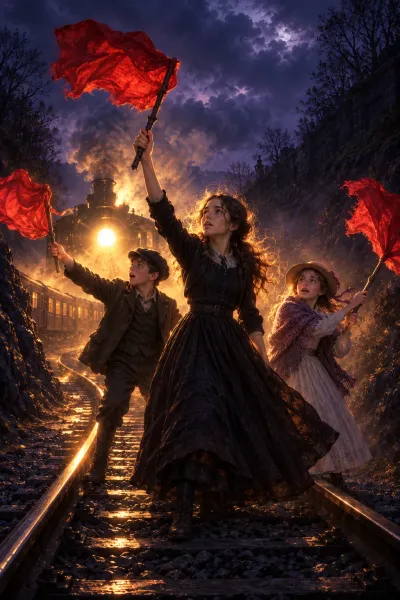
Die Eisenbahnkinder
Edith Nesbit
C1.2Orig.B1
~5 Std. 30 Min. · Klassiker
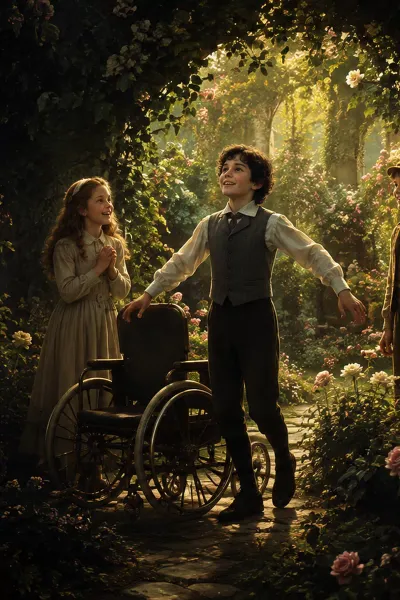
Der geheime Garten
Frances Hodgson Burnett
C1.2Orig.B1
~7 Std. 30 Min. · Klassiker
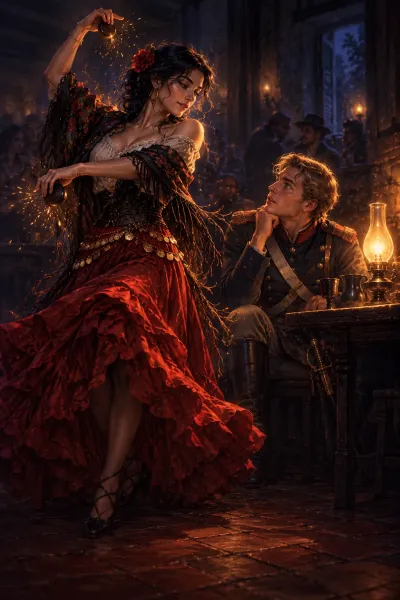
Carmen
Prosper Mérimée
C1.8Orig.B1B2
~2 Std. 10 Min. · Klassiker

Tao Te King
Laozi
C2Orig.B1
~3 Std. 40 Min. · Philosophie
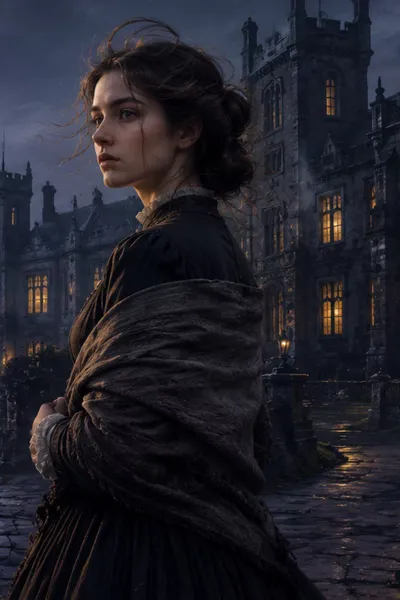
Jane Eyre
Charlotte Brontë
C2Orig.B1C1
~17 Std. 20 Min. · Klassiker
Buchseite ≈0.2.0 · 14. Okt. 2026