Los miserables en inglés
Un expresidiario intenta rehacer su vida bajo un nombre falso en la Francia del siglo XIX mientras un inspector de policía que solo cree en la ley escrita le sigue el rastro durante décadas.
La novela se divide en cinco partes, cada una centrada en un personaje o grupo distinto antes de que todas las tramas confluyan en París. Su rasgo más particular son las digresiones: Hugo detiene la historia durante capítulos enteros para explicar la batalla de Waterloo, la vida en los conventos, el argot callejero o el sistema de alcantarillado de la capital. El texto que lees aquí es una traducción estadounidense de 1887. Alterna una narración formal y literaria con diálogos directos, sin dialectos marcados pero salpicado de términos y nombres en francés.
Te gustará si
- Las historias que siguen a varios personajes a lo largo de décadas
- El choque moral entre la ley estricta y la compasión
- Entender cómo se vivía en el París del siglo XIX desde los salones hasta las cloacas
- Las tramas donde las vidas de desconocidos acaban conectadas por completo
No te gustará si
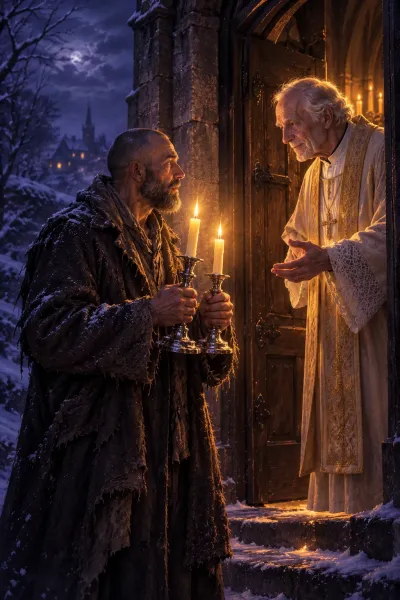
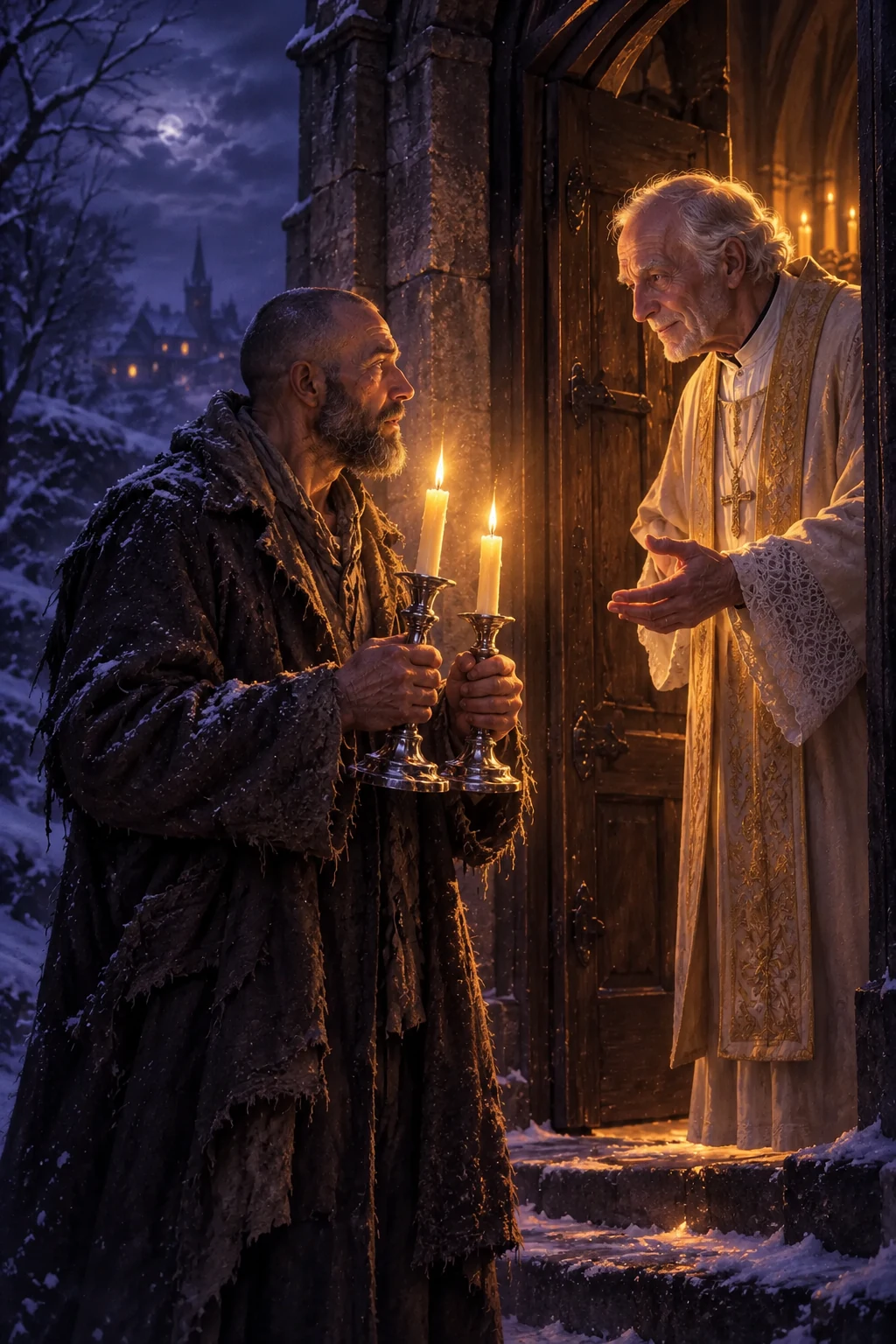
- Los primeros capítulos ni siquiera presentan al protagonista, sino la rutina de un obispo rural
- Hugo interrumpe la trama con ensayos históricos enteros sobre Waterloo o el alcantarillado
- El tono es muy melodramático y los personajes suelen hablar dando discursos
- Muchas coincidencias que unen a los personajes requieren aceptar las reglas del folletín
Qué tipo de libro es «Los miserables»
Versiones del libro «Los miserables» en inglés: C2
El mismo libro, adaptado a un nivel que puedes leer sin parar
Elige una versión. La barra inferior abre la que elijas.
Vocabulario por nivel
- A1 61%
- A2 15%
- B1 8%
- B2 6%
- fuera del diccionario 4%
Sobre esta edición Original · C2
Esta edición es de nivel C2, con el que puedes leer textos largos y complejos con fluidez. Es el texto original completo de Les Misérables de Victor Hugo, publicado por primera vez en 1862 en la traducción de Isabel F. Hapgood. Su nivel medido es C2, con una longitud media de 16,2 palabras por frase y un total de 563145 palabras. Leerlo lleva unas cincuenta y dos horas.
Sobre el nivel
Este es el texto original: C2 en la escala de NewGen Books (versión 1.2), medido a partir del propio texto. Según la fórmula de Flesch-Kincaid (grados escolares de EE. UU.), corresponde a 7.º grado. Según el MCER, un lector de nivel C2 lee prácticamente cualquier texto escrito, incluida la literatura clásica o coloquial de distintos géneros, y aprecia los matices de estilo y el sentido implícito.
Fragmento del libro «Los miserables» en inglés
Un mismo pasaje, tal como lo escribe cada versión.
Toca cualquier palabra y te mostramos la traducción
Las flechas recorren las palabras; Intro muestra la traducción.Original · C2176 palabras
A man overboard!
What matters it? The vessel does not halt. The wind blows. That sombre ship has a path which it is forced to pursue. It passes on.
The man disappears, then reappears; he plunges, he rises again to the surface; he calls, he stretches out his arms; he is not heard. The vessel, trembling under the hurricane, is wholly absorbed in its own workings; the passengers and sailors do not even see the drowning man; his miserable head is but a speck amid the immensity of the waves. He gives vent to desperate cries from out of the depths. What a spectre is that retreating sail! He gazes and gazes at it frantically. It retreats, it grows dim, it diminishes in size. He was there but just now, he was one of the crew, he went and came along the deck with the rest, he had his part of breath and of sunlight, he was a living man. Now, what has taken place? He has slipped, he has fallen; all is at an end.
El idioma original del libro «Los miserables» y qué te aporta
Qué tan difícil es el idioma C2
El texto original se sitúa en un nivel C2. Aunque la frase media es de 15,7 palabras (porque los diálogos cortos compensan los párrafos largos) y un 76 % del vocabulario pertenece a los niveles A1-A2, te vas a encontrar con más de 20.600 formas de palabras distintas. Un 7 % del léxico está fuera de las 5.000 palabras más frecuentes del inglés y un 4 % ni siquiera aparece en el diccionario estándar, sobre todo por los nombres propios y términos franceses conservados en el texto.
En la práctica: Un texto exigente de nivel C2 por su amplitud de vocabulario y su tono formal, pero muy gratificante para hispanohablantes gracias a la cantidad de raíces latinas.
A qué atenerte
Cómo leerlo y no abandonarlo
- Como hablante de español, el vocabulario culto y los términos en francés te resultarán muy transparentes porque comparten raíz latina con tu idioma.
- Cuidado con los falsos amigos de origen latino habituales en la prosa formal del XIX, como «misery» (que en inglés suele ser sufrimiento extremo o tristeza, no siempre pobreza económica) o «actual» (real).
- No te atasques en las frases largas de las digresiones históricas: busca primero el verbo principal, porque el traductor a veces calca el orden de las subordinadas del francés.
Illustrations for «Los miserables»
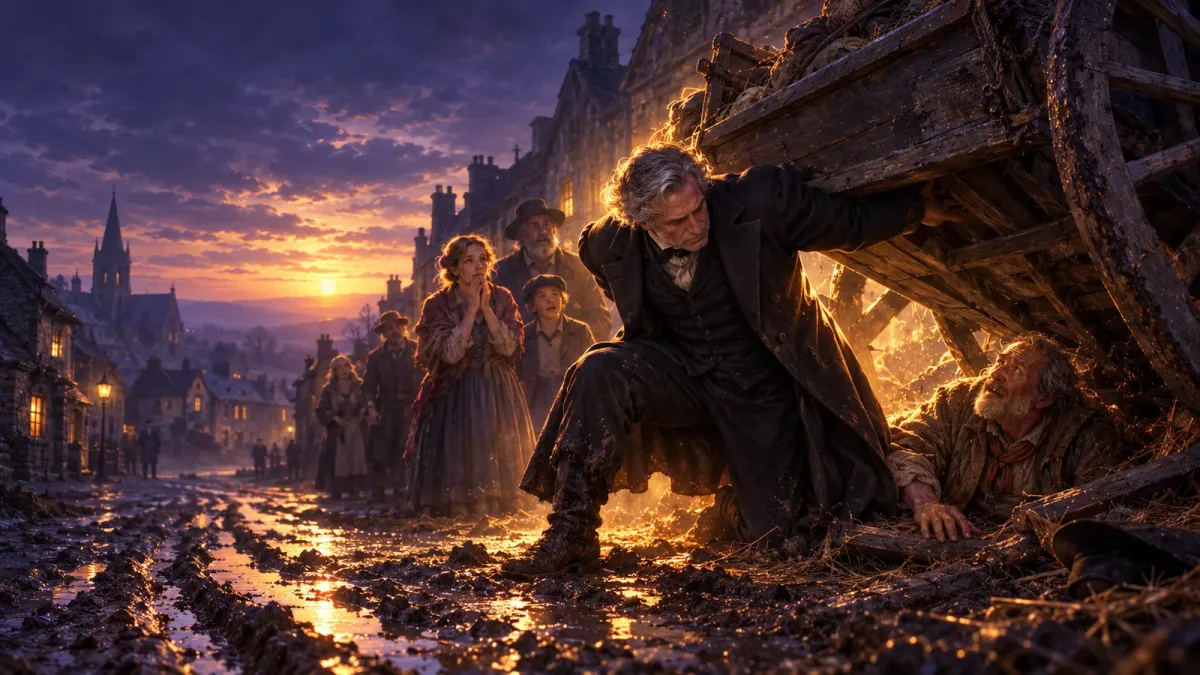
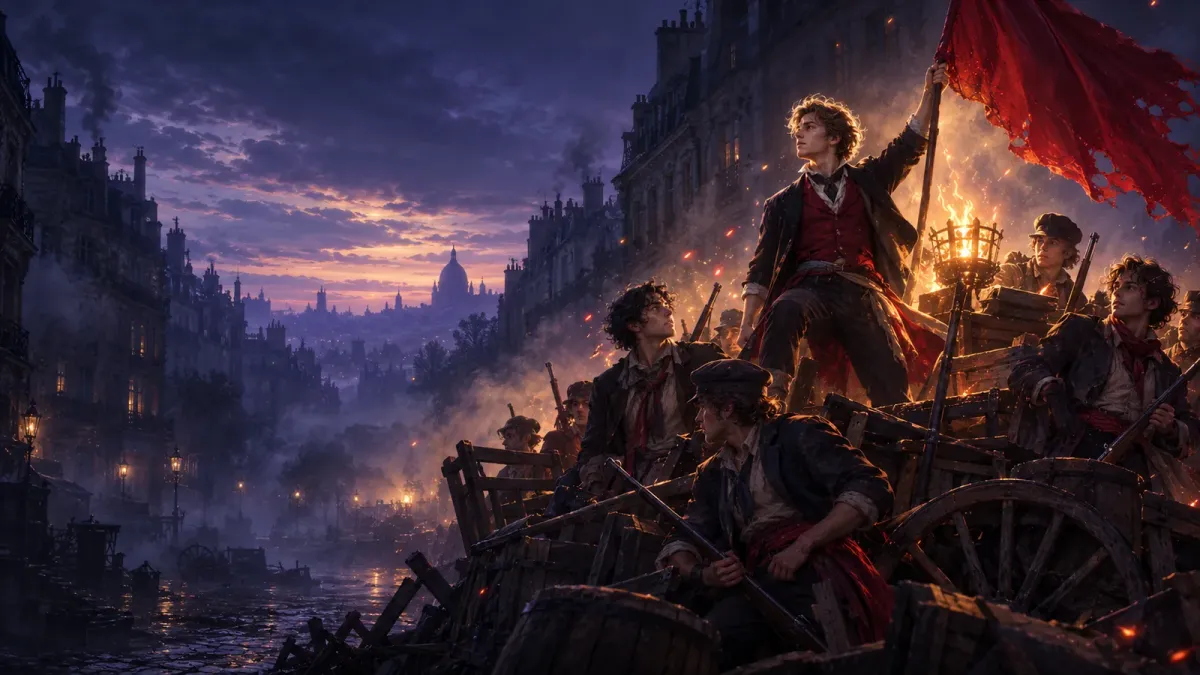
3 scenes from «Los miserables», in story order and without the ending.

Contenido del libro «Los miserables» · 366 capítulos
- Prefacepágina 1
- I: M. Myrielpágina 1
- II: M. Myriel Becomes M. Welcomepágina 5
- III: A Hard Bishopric for a Good Bishoppágina 11
- IV: Works Corresponding to Wordspágina 14
- V: Monseigneur Bienvenu Made His Cassocks Last Too Longpágina 25
Los 366 capítulosMostrar menos
- VI: Who Guarded His House for Himpágina 28
- VII: Cravattepágina 36
- VIII: Philosophy After Drinkingpágina 41
- IX: The Brother as Depicted by the Sisterpágina 46
- X: The Bishop in the Presence of an Unknown Lightpágina 51
- X: The Bishop in the Presence of an Unknown Light (continuación)página 60
- XI: A Restrictionpágina 68
- XII: The Solitude of Monseigneur Welcomepágina 74
- XIII: What He Believedpágina 78
- XIV: What He Thoughtpágina 84
- I: The Evening of a Day of Walkingpágina 87
- I: The Evening of a Day of Walking (continuación)página 96
- II: Prudence Counselled to Wisdompágina 103
- III: The Heroism of Passive Obediencepágina 109
- IV: Details Concerning the Cheese-Dairies of Pontarlierpágina 116
- V: Tranquillitypágina 121
- VI: Jean Valjeanpágina 123
- VII: The Interior of Despairpágina 131
- VIII: Billows and Shadowspágina 141
- IX: New Troublespágina 144
- X: The Man Arousedpágina 146
- XI: What He Doespágina 150
- XII: The Bishop Workspágina 155
- XIII: Little Gervaispágina 159
- I: The Year 1817página 171
- II: A Double Quartetpágina 179
- III: Four and Fourpágina 185
- IV: Tholomyès Is So Merry That He Sings a Spanish Dittypágina 190
- V: At Bombarda’spágina 193
- VI: A Chapter in Which They Adore Each Otherpágina 197
- VII: The Wisdom of Tholomyèspágina 199
- VIII: The Death of a Horsepágina 207
- IX: A Merry End to Mirthpágina 210
- I: One Mother Meets Another Motherpágina 213
- II: First Sketch of Two Unprepossessing Figurespágina 225
- III: The Larkpágina 228
- I: The History of a Progress in Black Glass Trinketspágina 232
- II: Madeleinepágina 234
- III: Sums Deposited with Laffittepágina 239
- IV: M. Madeleine in Mourningpágina 243
- V: Vague Flashes on the Horizonpágina 246
- VI: Father Faucheleventpágina 254
- VII: Fauchelevent Becomes a Gardener in Parispágina 257
- VIII: Madame Victurnien Expends Thirty Francs on Moralitypágina 259
- IX: Madame Victurnien’s Successpágina 263
- X: Result of the Successpágina 266
- XI: Christus Nos Liberavitpágina 273
- XII: M. Bamatabois’s Inactivitypágina 274
- XIII: The Solution of Some Questions Connected with the Municipal Policepágina 277
- XIII: The Solution of Some Questions Connected with the Municipal Police (continuación)página 284
- I: The Beginning of Reposepágina 291
- II: How Jean May Become Champpágina 296
- I: Sister Simplicepágina 307
- II: The Perspicacity of Master Scaufflairepágina 311
- III: A Tempest in a Skullpágina 317
- III: A Tempest in a Skull · parte 2página 327
- III: A Tempest in a Skull · parte 3página 338
- IV: Forms Assumed by Suffering During Sleeppágina 346
- V: Hindrancespágina 350
- V: Hindrances (continuación)página 358
- VI: Sister Simplice Put to the Proofpágina 365
- VII: The Traveller on His Arrival Takes Precautions for Departurepágina 374
- VIII: An Entrance by Favorpágina 380
- IX: A Place Where Convictions Are in Process of Formationpágina 384
- X: The System of Denialspágina 394
- XI: Champmathieu More and More Astonishedpágina 404
- I: In What Mirror M. Madeleine Contemplates His Hairpágina 410
- II: Fantine Happypágina 413
- III: Javert Satisfiedpágina 419
- IV: Authority Reasserts Its Rightspágina 424
- V: A Suitable Tombpágina 429
- I: What Is Met with on the Way from Nivellespágina 436
- II: Hougomontpágina 439
- III: The Eighteenth of June, 1815página 449
- IV: Apágina 452
- V: The Quid Obscurum of Battlespágina 455
- VI: Four O’Clock in the Afternoonpágina 459
- VII: Napoleon in a Good Humorpágina 463
- VIII: The Emperor Puts a Question to the Guide Lacostepágina 471
- IX: The Unexpectedpágina 474
- X: The Plateau of Mont-Saint-Jeanpágina 479
- XI: A Bad Guide to Napoleon; A Good Guide to Bülowpágina 485
- XII: The Guardpágina 487
- XIII: The Catastrophepágina 489
- XIV: The Last Squarepágina 492
- XV: Cambronnepágina 494
- XVI: Quot Libras in Duce?página 497
- XVII: Is Waterloo to Be Considered Good?página 504
- XVIII: A Recrudescence of Divine Rightpágina 506
- XIX: The Battlefield at Nightpágina 510
- I: Number 24,601 Becomes Number 9,430página 518
- II: In Which the Reader Will Peruse Two Verses, Which Are of the Devil’s Composition, Possiblypágina 522
- III: The Ankle-Chain Must Have Undergone a Certain Preparatory Manipulation to Be Thus Broken with a Blow from a Hammerpágina 529
- I: The Water Question at Montfermeilpágina 540
- II: Two Complete Portraitspágina 545
- III: Men Must Have Wine, and Horses Must Have Waterpágina 552
- IV: Entrance on the Scene of a Dollpágina 555
- V: The Little One All Alonepágina 557
- VI: Which Possibly Proves Boulatruelle’s Intelligencepágina 565
- VII: Cosette Side by Side with the Stranger in the Darkpágina 572
- VIII: The Unpleasantness of Receiving Into One’s House a Poor Man Who May Be a Rich Manpágina 575
- VIII: The Unpleasantness of Receiving Into One’s House a Poor Man Who May Be a Rich Man (continuación)página 586
- IX: Thénardier and His Manouvrespágina 598
- X: He Who Seeks to Better Himself May Render His Situation Worsepágina 608
- XI: Number 9,430 Reappears, and Cosette Wins It in the Lotterypágina 614
- I: Master Gorbeaupágina 616
- II: A Nest for Owl and a Warblerpágina 625
- III: Two Misfortunes Make One Piece of Good Fortunepágina 627
- IV: The Remarks of the Principal Tenantpágina 632
- V: A Five-Franc Piece Falls on the Ground and Produces a Tumultpágina 635
- I: The Zigzags of Strategypágina 640
- II: It Is Lucky That the Pont d’Austerlitz Bears Carriagespágina 645
- III: To Wit, the Plan of Paris in 1727página 647
- IV: The Gropings of Flightpágina 651
- V: Which Would Be Impossible with Gas Lanternspágina 655
- VI: The Beginning of an Enigmapágina 660
- VII: Continuation of the Enigmapágina 663
- VIII: The Enigma Becomes Doubly Mysteriouspágina 666
- IX: The Man with the Bellpágina 668
- X: Which Explains How Javert Got on the Scentpágina 673
- I: Number 62 Rue Petit-Picpuspágina 685
- II: The Obedience of Martin Vergapágina 690
- III: Austeritiespágina 700
- IV: Gayetiespágina 702
- V: Distractionspágina 706
- VI: The Little Conventpágina 714
- VII: Some Silhouettes of This Darknesspágina 717
- VIII: Post Corda Lapidespágina 720
- IX: A Century Under a Guimpepágina 723
- X: Origin of the Perpetual Adorationpágina 725
- XI: End of the Petit-Picpuspágina 727
- I: The Convent as an Abstract Ideapágina 730
- II: The Convent as an Historical Factpágina 730
- III: On What Conditions One Can Respect the Pastpágina 734
- IV: The Convent from the Point of View of Principlespágina 737
- V: Prayerpágina 739
- VI: The Absolute Goodness of Prayerpágina 741
- VII: Precautions to Be Observed in Blamepágina 743
- VIII: Faith, Lawpágina 744
- I: Which Treats of the Manner of Entering a Conventpágina 747
- II: Fauchelevent in the Presence of a Difficultypágina 758
- III: Mother Innocentepágina 761
- IV: In Which Jean Valjean Has Quite the Air of Having Read Austin Castillejopágina 773
- V: It Is Not Necessary to Be Drunk in Order to Be Immortalpágina 780
- VI: Between Four Plankspágina 788
- VII: In Which Will Be Found the Origin of the Saying: Don’t Lose the Cardpágina 790
- VIII: A Successful Interrogatorypágina 799
- IX: Cloisteredpágina 803
- I: Parvuluspágina 813
- II: Some of His Particular Characteristicspágina 813
- III: He Is Agreeablepágina 815
- IV: He May Be of Usepágina 817
- V: His Frontierspágina 818
- VI: A Bit of Historypágina 821
- VII: The Gamin Should Have His Place in the Classifications of Indiapágina 823
- VIII: In Which the Reader Will Find a Charming Saying of the Last Kingpágina 826
- IX: The Old Soul of Gaulpágina 828
- X: Ecce Paris, Ecce Homopágina 829
- XI: To Scoff, to Reignpágina 833
- XII: The Future Latent in the Peoplepágina 836
- XIII: Little Gavrochepágina 837
- I: Ninety Years and Thirty-Two Teethpágina 841
- II: Like Master, Like Housepágina 843
- III: Luc-Espritpágina 845
- IV: A Centenarian Aspirantpágina 846
- V: Basque and Nicolettepágina 847
- VI: In Which Magnon and Her Two Children Are Seenpágina 849
- VII: Rule: Receive No One Except in the Eveningpágina 852
- VIII: Two Do Not Make a Pairpágina 852
- I: An Ancient Salonpágina 855
- II: One of the Red Spectres of That Epochpágina 860
- III: Requiescantpágina 869
- IV: End of the Brigandpágina 880
- V: The Utility of Going to Mass, in Order to Become a Revolutionistpágina 885
- VI: The Consequences of Having Met a Wardenpágina 887
- VII: Some Petticoatpágina 896
- VIII: Marble Against Granitepágina 902
- I: A Group Which Barely Missed Becoming Historicpágina 909
- I: A Group Which Barely Missed Becoming Historic (continuación)página 920
- II: Blondeau’s Funeral Oration by Bossuetpágina 928
- III: Marius’ Astonishmentspágina 933
- IV: The Back Room of the Café Musainpágina 936
- V: Enlargement of Horizonpágina 946
- VI: Res Angustapágina 951
- I: Marius Indigentpágina 954
- II: Marius Poorpágina 957
- III: Marius Grown Uppágina 962
- IV: M. Mabeufpágina 969
- V: Poverty a Good Neighbor for Miserypágina 975
- VI: The Substitutepágina 978
- I: The Sobriquet: Mode of Formation of Family Namespágina 984
- II: Lux Facta Estpágina 989
- III: Effect of the Springpágina 992
- IV: Beginning of a Great Maladypágina 994
- V: Divers Claps of Thunder Fall on Ma’am Bougonpágina 998
- VI: Taken Prisonerpágina 999
- VII: Adventures of the Letter U Delivered Over to Conjecturespágina 1003
- VIII: The Veterans Themselves Can Be Happypágina 1005
- IX: Eclipsepágina 1008
- I: Mines and Minerspágina 1011
- II: The Lowest Depthspágina 1014
- III: Babet, Gueulemer, Claquesous, and Montparnassepágina 1016
- IV: Composition of the Troupepágina 1019
- I: Marius, While Seeking a Girl in a Bonnet, Encounters a Man in a Cappágina 1023
- II: Treasure Trovepágina 1025
- III: Quadrifronspágina 1028
- IV: A Rose in Miserypágina 1033
- V: A Providential Peepholepágina 1042
- VI: The Wild Man in His Lairpágina 1046
- VII: Strategy and Tacticspágina 1051
- VIII: The Ray of Light in the Hovelpágina 1056
- IX: Jondrette Comes Near Weepingpágina 1059
- X: Tariff of Licensed Cabs: Two Francs an Hourpágina 1064
- XI: Offers of Service from Misery to Wretchednesspágina 1068
- XII: The Use Made of M. Leblanc’s Five-Franc Piecepágina 1071
- XIII: Solus Cum Solo, in Loco Remoto, Non Cogitabuntur Orare Pater Nosterpágina 1078
- XIV: In Which a Police Agent Bestows Two Fistfuls on a Lawyerpágina 1081
- XV: Jondrette Makes His Purchasespágina 1086
- XVI: In Which Will Be Found the Words to an English Air Which Was in Fashion in 1832página 1089
- XVII: The Use Made of Marius’ Five-Franc Piecepágina 1093
- XVIII: Marius’ Two Chairs Form a Vis-a-Vispágina 1098
- XIX: Occupying One’s Self with Obscure Depthspágina 1100
- XX: The Trappágina 1106
- XX: The Trap · parte 2página 1118
- XX: The Trap · parte 3página 1129
- XXI: One Should Always Begin by Arresting the Victimspágina 1140
- XXII: The Little One Who Was Crying in Volume Twopágina 1144
- I: Well Cutpágina 1147
- II: Badly Sewedpágina 1154
- III: Louis Philippepágina 1159
- IV: Cracks Beneath the Foundationpágina 1169
- V: Facts Whence History Springs and Which History Ignorespágina 1178
- V: Facts Whence History Springs and Which History Ignores (continuación)página 1185
- VI: Enjolras and His Lieutenantspágina 1193
- I: The Lark’s Meadowpágina 1198
- II: Embryonic Formation of Crimes in the Incubation of Prisonspágina 1206
- III: Apparition to Father Mabeufpágina 1212
- IV: An Apparition to Mariuspágina 1217
- I: The House with a Secretpágina 1223
- II: Jean Valjean as a National Guardpágina 1230
- III: Foliis Ac Frondibuspágina 1233
- IV: Change of Gatepágina 1238
- V: The Rose Perceives That It Is an Engine of Warpágina 1245
- VI: The Battle Begunpágina 1252
- VII: To One Sadness Oppose a Sadness and a Halfpágina 1256
- VIII: The Chain-Gangpágina 1263
- VIII: The Chain-Gang (continuación)página 1271
- I: A Wound Without, Healing Withinpágina 1278
- II: Mother Plutarque Finds No Difficulty in Explaining a Phenomenonpágina 1281
- I: Solitude and the Barracks Combinedpágina 1292
- II: Cosette’s Apprehensionspágina 1294
- III: Enriched with Commentaries by Toussaintpágina 1299
- IV: A Heart Beneath a Stonepágina 1303
- V: Cosette After the Letterpágina 1307
- VI: Old People Are Made to Go Out Opportunelypágina 1311
- I: The Malicious Playfulness of the Windpágina 1315
- II: In Which Little Gavroche Extracts Profit from Napoleon the Greatpágina 1320
- II: In Which Little Gavroche Extracts Profit from Napoleon the Great · parte 2página 1330
- II: In Which Little Gavroche Extracts Profit from Napoleon the Great · parte 3página 1340
- III: The Vicissitudes of Flightpágina 1349
- III: The Vicissitudes of Flight (continuación)página 1358
- I: Originpágina 1367
- II: Rootspágina 1377
- III: Slang Which Weeps and Slang Which Laughspágina 1389
- IV: The Two Duties: To Watch and to Hopepágina 1395
- I: Full Lightpágina 1400
- II: The Bewilderment of Perfect Happinesspágina 1408
- III: The Beginning of Shadowpágina 1411
- IV: A Cab Runs in English and Barks in Slangpágina 1415
- V: Things of the Nightpágina 1424
- VI: Marius Becomes Practical Once More to the Extent of Giving Cosette His Addresspágina 1425
- VII: The Old Heart and the Young Heart in the Presence of Each Otherpágina 1433
- VII: The Old Heart and the Young Heart in the Presence of Each Other (continuación)página 1441
- I: Jean Valjeanpágina 1450
- II: Mariuspágina 1452
- III: M. Mabeufpágina 1455
- I: The Surface of the Questionpágina 1460
- II: The Root of the Matterpágina 1465
- III: A Burial; An Occasion to Be Born Againpágina 1473
- IV: The Ebullitions of Former Dayspágina 1481
- V: Originality of Parispágina 1488
- I: Some Explanations with Regard to the Origin of Gavroche’s Poetrypágina 1492
- II: Gavroche on the Marchpágina 1495
- III: Just Indignation of a Hairdresserpágina 1500
- IV: The Child Is Amazed at the Old Manpágina 1502
- V: The Old Manpágina 1504
- VI: Recruitspágina 1506
- I: History of Corinthe from Its Foundationpágina 1508
- II: Preliminary Gayetiespágina 1515
- II: Preliminary Gayeties (continuación)página 1523
- III: Night Begins to Descend Upon Grantairepágina 1528
- IV: An Attempt to Console the Widow Huchelouppágina 1532
- V: Preparationspágina 1537
- VI: Waitingpágina 1540
- VII: The Man Recruited in the Rue des Billettespágina 1545
- VIII: Many Interrogation Points with Regard to a Certain le Cabucpágina 1549
- I: From the Rue Plumet to the Quartier Saint-Denispágina 1555
- II: An Owl’s View of Parispágina 1559
- III: The Extreme Edgepágina 1563
- I: The Flag: Act Firstpágina 1572
- II: The Flag: Act Secondpágina 1575
- III: Gavroche Would Have Done Better to Accept Enjolras’ Carbinepágina 1579
- IV: The Barrel of Powderpágina 1580
- V: End of the Verses of Jean Prouvairepágina 1584
- VI: The Agony of Death After the Agony of Lifepágina 1586
- VII: Gavroche as a Profound Calculator of Distancespágina 1591
- I: A Drinker Is a Babblerpágina 1596
- II: The Street Urchin an Enemy of Lightpágina 1608
- III: While Cosette and Toussaint Are Asleeppágina 1613
- IV: Gavroche’s Excess of Zealpágina 1615
- I: The Charybdis of the Faubourg Saint Antoine and the Scyllapágina 1622
- II: What Is to Be Done in the Abyss if One Does Not Conversepágina 1633
- III: Light and Shadowpágina 1638
- IV: Minus Five, Plus Onepágina 1640
- V: The Horizon Which One Beholds from the Summit of a Barricadepágina 1649
- VI: Marius Haggard, Javert Laconicpágina 1654
- VII: The Situation Becomes Aggravatedpágina 1657
- VIII: The Artillerymen Compel People to Take Them Seriouslypágina 1663
- IX: Employment of the Old Talents of a Poacher and That Infallible Marksmanship Which Influenced the Condemnation of 1796página 1666
- X: Dawnpágina 1668
- XI: The Shot Which Misses Nothing and Kills No Onepágina 1674
- XII: Disorder a Partisan of Orderpágina 1675
- XIII: Passing Gleamspágina 1680
- XIV: Wherein Will Appear the Name of Enjolras’ Mistresspágina 1682
- XV: Gavroche Outsidepágina 1685
- XVI: How from a Brother One Becomes a Fatherpágina 1689
- XVII: Mortuus Pater Filium Moriturum Expectatpágina 1701
- XVIII: The Vulture Become Preypágina 1703
- XIX: Jean Valjean Takes His Revengepágina 1707
- XX: The Dead Are in the Right and the Living Are Not in the Wrongpágina 1711
- XXI: The Heroespágina 1723
- XXII: Foot to Footpágina 1729
- XXIII: Orestes Fasting and Pylades Drunkpágina 1734
- XXIV: Prisonerpágina 1738
- I: The Land Impoverished by the Seapágina 1742
- II: Ancient History of the Sewerpágina 1748
- III: Bruneseaupágina 1752
- IVpágina 1756
- V: Present Progresspágina 1761
- VI: Future Progresspágina 1763
- I: The Sewer and Its Surprisespágina 1770
- II: Explanationpágina 1779
- III: The “Spun” Manpágina 1782
- IV: He Also Bears His Crosspágina 1788
- V: In the Case of Sand as in That of Woman, There Is a Fineness Which Is Treacherouspágina 1793
- VI: The Fontispágina 1800
- VII: One Sometimes Runs Aground When One Fancies That One Is Disembarkingpágina 1803
- VIII: The Torn Coattailpágina 1806
- IX: Marius Produces on Some One Who Is a Judge of the Matter, the Effect of Being Deadpágina 1813
- X: Return of the Son Who Was Prodigal of His Lifepágina 1819
- XI: Concussion in the Absolutepágina 1821
- XII: The Grandfatherpágina 1823
- Ipágina 1832
- I (continuación)página 1840
- I: In Which the Tree with the Zinc Plaster Appears Againpágina 1849
- II: Marius, Emerging from Civil War, Makes Ready for Domestic Warpágina 1854
- III: Marius Attackedpágina 1860
- IV: Mademoiselle Gillenormand Ends by No Longer Thinking It a Bad Thing That M. Fauchelevent Should Have Entered with Something Under His Armpágina 1865
- V: Deposit Your Money in a Forest Rather Than with a Notarypágina 1872
- VI: The Two Old Men Do Everything, Each One After His Own Fashion, to Render Cosette Happypágina 1873
- VII: The Effects of Dreams Mingled with Happinesspágina 1885
- VIII: Two Men Impossible to Findpágina 1888
- I: The 16th of February, 1833página 1894
- II: Jean Valjean Still Wears His Arm in a Slingpágina 1906
- II: Jean Valjean Still Wears His Arm in a Sling (continuación)página 1912
- III: The Inseparablepágina 1919
- IV: The Immortal Liverpágina 1922
- I: The Seventh Circle and the Eighth Heavenpágina 1928
- I: The Seventh Circle and the Eighth Heaven (continuación)página 1941
- II: The Obscurities Which a Revelation Can Containpágina 1953
- I: The Lower Chamberpágina 1965
- II: Another Step Backwardspágina 1971
- III: They Recall the Garden of the Rue Plumetpágina 1975
- IV: Attraction and Extinctionpágina 1981
- I: Pity for the Unhappy, but Indulgence for the Happypágina 1983
- II: Last Flickerings of a Lamp Without Oilpágina 1986
- III: A Pen Is Heavy to the Man Who Lifted the Fauchelevent’s Cartpágina 1988
- IV: A Bottle of Ink Which Only Succeeded in Whiteningpágina 1992
- IV: A Bottle of Ink Which Only Succeeded in Whitening · parte 2página 2001
- IV: A Bottle of Ink Which Only Succeeded in Whitening · parte 3página 2010
- V: A Night Behind Which There Is Daypágina 2018
- V: A Night Behind Which There Is Day (continuación)página 2025
- VI: The Grass Covers and the Rain Effacespágina 2032
Valoraciones de lectores del libro «Los miserables»
Nadie lo ha valorado todavía. Sé el primero.
Tu valoración
Opiniones de usuarios sobre el libro «Los miserables»
Aún no hay reseñas.
Historia del libro «Los miserables»
Inicio del trabajo bajo el título «Las miserias»
Victor Hugo comenzó a escribir el borrador de la novela bajo el título provisional de «Las miserias» (Les Misères), inspirándose parcialmente para los personajes del protagonista y del obispo Myriel en el convicto arrepentido Eugène-François Vidocq y en el obispo de Digne, Bienvenu de Miollis.
Pausa por la revolución y el exilio
Durante la Revolución de 1848, Hugo dejó de lado el manuscrito para dedicarse activamente a la política y no retomó la obra hasta muchos años después, en 1860, mientras vivía exiliado en la isla de Guernsey.
Un sonado lanzamiento internacional
El editor belga Albert Lacroix pagó la cifra sin precedentes de 300 000 francos por los derechos y lanzó una campaña de marketing masiva de seis meses, gracias a la cual el primer día de venta se formaron colas de miles de compradores en Bruselas y París.
El legendario telegrama de un solo signo de puntuación
Preocupado por las ventas durante sus vacaciones, Hugo supuestamente envió a su editor un telegrama compuesto por un único signo de cierre de interrogación («?») y recibió como respuesta un único signo de cierre de exclamación («!»), aunque los historiadores consideran que esta anécdota es muy probablemente apócrifa.
William Walsh, Handy-Book of Literary Curiosities (1892)
Prohibición del Vaticano
A pesar de la profunda moral cristiana de la novela y del retrato reverente del obispo Myriel, la Iglesia católica incluyó Los miserables en el Índice de Libros Prohibidos, donde permaneció hasta la abolición de la lista en 1966.
Index Librorum Prohibitorum
En la cultura «Los miserables»
11 adaptaciones y menciones, 1886–2019
Arte El retrato de Cosette por Émile Bayard
El dibujo del ilustrador francés Émile Bayard, que muestra a una pequeña Cosette descalza con una escoba demasiado grande para ella, se convirtió en el principal símbolo visual de la novela y, más tarde, en el logotipo del musical teatral.
Película Adaptación de Hollywood nominada al Óscar
La película dirigida por Richard Boleslawski, con Fredric March como Valjean y Charles Laughton como Javert, estableció el juego del gato y el ratón y la persecución como el eje central de la mayoría de las adaptaciones del siglo XX.
Serie La serie de televisión El fugitivo
El creador de la popular serie estadounidense, Roy Huggins, basó la historia del doctor Richard Kimble, perseguido implacablemente por el teniente Philip Gerard, directamente en el conflicto entre Jean Valjean y el inspector Javert.
Escenario El musical íntegramente cantado de Boublil y Schönberg
Nacido como un álbum conceptual francés antes de estrenarse en París y recibir una adaptación al inglés de la mano de Cameron Mackintosh en 1985, el musical teatral se convirtió en el espectáculo de mayor permanencia en cartel en la historia del West End.
Música «La canción del pueblo» como himno de protesta global
Escrita para el musical teatral como ilustración de la Rebelión de junio de 1832, esta canción (Do You Hear the People Sing?, conocida en España como «La canción del pueblo») fue adoptada por defensores de la democracia en protestas, desde la plaza de Tiananmén y Hong Kong hasta Turquía y Ucrania.
Juego El juego de lucha «Arm Joe»
El desarrollador independiente japonés Takase lanzó un surrealista juego de lucha en 2D llamado «Arm Joe» (un juego de palabras con la pronunciación japonesa de «Aa, Mujō», el título japonés de la novela), cuyos personajes incluyen a Valjean, Javert y un robot Jean Valjean.
Serie Los miserables: La niña Cosette
El estudio Nippon Animation produjo un anime de 52 episodios (Les Misérables: Shōjo Cosette) como parte de su serie World Masterpiece Theater, trasladando el foco narrativo principal a la infancia y el paso a la madurez de Cosette.
Película La adaptación cinematográfica de Tom Hooper con canto en directo
La superproducción protagonizada por Hugh Jackman, Russell Crowe y la ganadora del Óscar Anne Hathaway rompió las convenciones del género: las voces de los actores se grabaron en directo en el set de rodaje y no sobre una pista pregrabada.
Película El drama contemporáneo Los miserables de Ladj Ly
Ambientado en el suburbio parisino real de Montfermeil —donde Hugo situó la posada de los Thénardier—, este drama criminal francés aclamado por la crítica traza paralelismos entre la pobreza del siglo XIX y las tensiones policiales modernas en las banlieues.
En el idioma Gavroche y el «gamin parisino»
El personaje de Gavroche convirtió su nombre en un sustantivo común en francés para designar a un pilluelo callejero parisino descarado, ingenioso y valiente, y además popularizó la palabra «gamin» en todo el mundo.
En el idioma «Javert» y la hogaza de pan de «Jean Valjean»
En la retórica jurídica y cotidiana, el nombre de «Javert» ha pasado a designar a un funcionario obsesivo que antepone la letra de la ley a la compasión, y el robo de «una hogaza de pan para salvar a una familia hambrienta» se ha convertido en el arquetipo estándar de un delito perdonable.
Preguntas y respuestas sobre el libro «Los miserables» en inglés
¿Qué revolución sale en Los miserables?
No es la Revolución francesa de 1789, sino la rebelión de junio de 1832 en París. Fue un levantamiento republicano breve contra la monarquía del rey Luis Felipe I que duró apenas dos días y estalló durante el funeral del general Lamarque.
¿Por qué metieron en la cárcel a Jean Valjean?
Lo condenaron a cinco años de trabajos forzados por romper un cristal y robar una hogaza de pan para alimentar a los siete hijos de su hermana. Los otros catorce años que pasó encerrado se los añadieron como castigo por cuatro intentos de fuga.
¿Por qué Javert persigue tanto a Jean Valjean?
Porque para Javert la ley humana y el orden moral son exactamente lo mismo, sin excepciones ni grises. Haber nacido él mismo en una cárcel le lleva a despreciar a quienes rompen las normas y a no concebir que un convicto pueda cambiar de verdad.
¿Qué partes se salta la gente en Los miserables?
Mucha gente pasa por encima de los ensayos largos donde la trama se detiene por completo: los diecinueve capítulos sobre la batalla de Waterloo, la historia de los conventos, el estudio sobre el argot y la historia de las alcantarillas de París. No obstante, al final de los bloques de Waterloo y de las cloacas ocurren escenas clave para los protagonistas.
¿En qué se diferencia el libro del musical?
El musical recorta toda la parte histórica y comprime décadas de historia en las escenas más dramáticas de Valjean, Fantine, Cosette y Marius. El libro dedica cientos de páginas a explicar el pasado de personajes secundarios, cómo funcionaba la sociedad francesa y qué pensaba el propio autor de la pobreza y la religión.
¿Jean Valjean existió en la vida real?
No, pero Victor Hugo se inspiró en Eugène-François Vidocq, un expresidiario real que acabó dirigiendo la policía de seguridad francesa y montando una fábrica que daba empleo a antiguos presos. Curiosamente, Hugo usó la otra mitad de la biografía de Vidocq como modelo para crear al inspector Javert.
¿Por qué empieza hablando de un obispo y no de Jean Valjean?
Hugo dedica los primeros catorce capítulos al obispo Myriel para que entiendas quién es antes de que se cruce con el protagonista. De ese modo, cuando el obispo toma la decisión que cambia la vida de Valjean, el gesto resulta creíble porque ya conoces su forma de vivir.
¿Es verdad que estuvo prohibido por la Iglesia?
Sí, el Vaticano incluyó la novela en el Índice de Libros Prohibidos en 1864 y la mantuvo allí hasta 1959. Aunque el libro trata con enorme respeto a personajes religiosos como el obispo Myriel, critica abiertamente a la jerarquía eclesiástica y defiende ideas sociales que chocaban con la doctrina oficial de la época.
¿Se hace muy pesado de leer hoy en día?
Cuando la historia sigue a los personajes principales tiene el ritmo tenso de un folletín de persecuciones y secretos. Lo que exige paciencia son los tramos en los que Hugo detiene la acción durante decenas de páginas para presentar un lugar o desarrollar una reflexión filosófica antes de retomar la trama.
Ficha del libro «Los miserables»
16 campos de datos editoriales y características medidas del texto. Todo verificable.
- Título original
- Les Misérables · «Los miserables»
- Autor
- Victor Hugo · 1802–1885
- Primera edición
- 1862
- Idioma original
- Inglés
- Género
- Clásicos
- Ambiente
- Luminosa
- Temas
- Redención · Justicia · Sociedad · Sacrificio
- Lugar y época
- Francia (sobre todo París y varias ciudades de provincias) · De 1815 a 1832
- Palabras distintas
- 20.645
- Palabras por frase
- 16 palabras
- Nivel del original
- C2
- Versiones
- C2
- Extensión del original
- 389 cap. · 558.896 palabras
- Tiempo de lectura
- ~51 h 50 min
- Traductor
- Isabel F. Hapgood
- Descargar
- EPUB
Similares qué leer después del libro «Los miserables»
Cercano en espíritu
8El mismo género y el mismo registro.

Tao Te Ching
Lao Tsé (Laozi)
C2orig.B1
~3 h 40 min · Filosofía
Jane Eyre
Charlotte Brontë
C2orig.B1C1
~17 h 20 min · Clásicos

Colmillo Blanco
Jack London
C2orig.B1B2
~6 h 40 min · Aventura
David Copperfield
Charles Dickens
C2orig.B1
~33 h · Clásicos
La vuelta al mundo en ochenta días
Julio Verne
C2orig.B1B2
~5 h 50 min · Aventura

Las alegres aventuras de Robin Hood
Howard Pyle
C2orig.
~10 h 20 min · Aventura

La historia del rey Arturo y sus caballeros
Howard Pyle
C2orig.
~10 h 30 min · Clásicos
La letra escarlata
Nathaniel Hawthorne
C2orig.B2
~7 h 50 min · Clásicos
Ficha 0.2.0 · 22 oct 2026