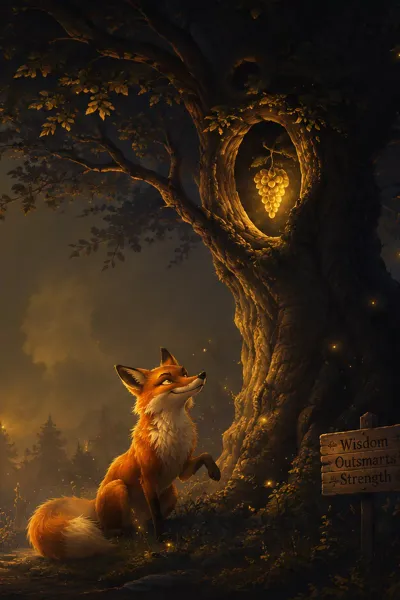
Fábulas en inglés
Animales que hablan y se comportan como personas cuentan, en pocas líneas, una situación y su lección.
El libro es una colección de fábulas sueltas, no una novela, así que puedes abrirlo por donde quieras y dejarlo cuando quieras. Cada una tiene la misma forma: se presenta a los personajes, ocurre algo que muestra un defecto o una virtud y, al final, una moraleja lo resume. Los personajes son casi siempre animales, y a veces dioses, campesinos o viajeros. La lengua es un inglés de 1912, claro y sin dialecto, con frases que se enlazan con facilidad. Es un texto muy repetitivo en su esquema, y eso ayuda a un lector que está aprendiendo.
Te gustará si
- te gusta leer en tandas cortas, una fábula en el metro o antes de dormir
- quieres un primer libro en inglés sin tramas largas que recordar
- te interesan las historias que acaban en una idea clara
- disfrutas reconociendo en un lobo o una zorra a gente que conoces
No te gustará si
- necesitas una historia larga con personajes que evolucionan
- las moralejas directas te parecen sermones
- te cansa que casi todas las fábulas tengan el mismo esquema
- esperas humor o aventuras a la manera de un cuento moderno
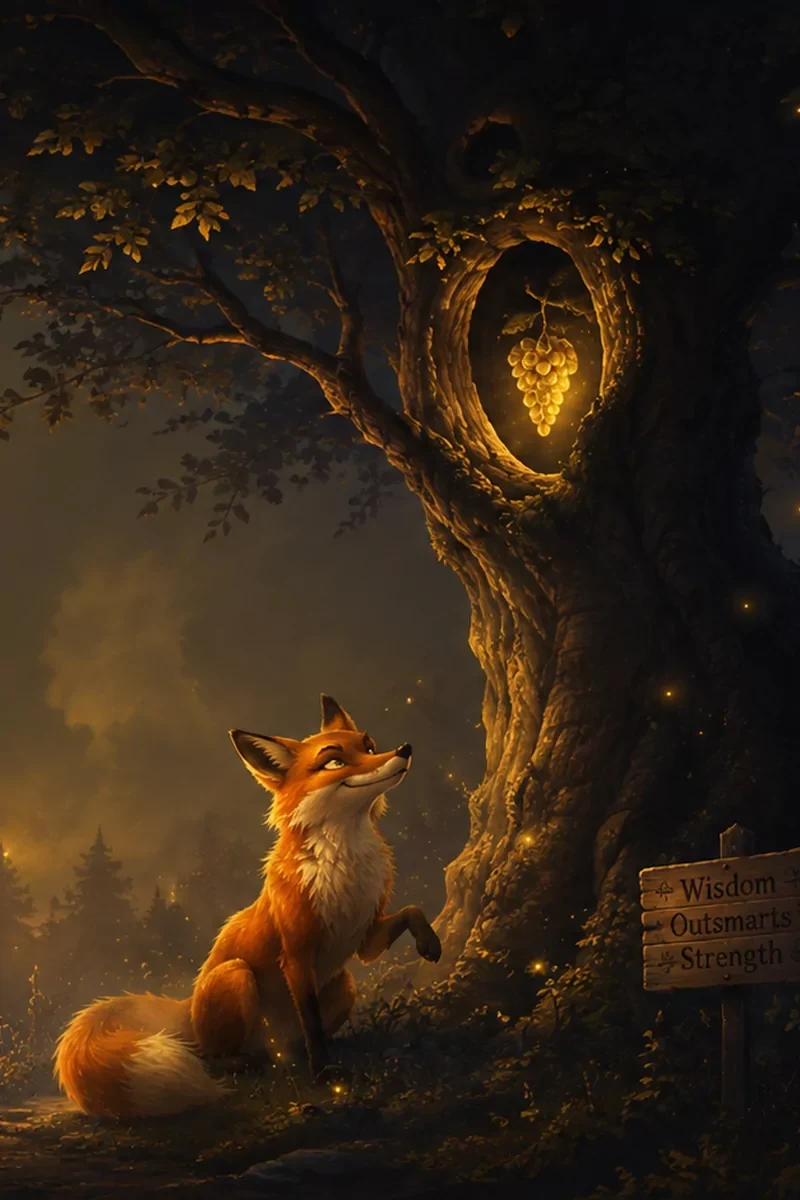
Qué tipo de libro es«Fábulas»
Versiones del libro «Fábulas» en inglés: C1
El mismo libro, adaptado a un nivel que puedes leer sin parar
Elige una versión. La barra inferior abre la que elijas.
Vocabulario por nivel
- A1 66%
- A2 15%
- B1 8%
- B2 6%
- fuera del diccionario 2%
Fragmento del libro «Fábulas» en inglés
Un mismo pasaje, tal como lo escribe cada versión.
Toca cualquier palabra y te mostramos la traducción
Original · C1.2255 palabras
Aesop embodies an epigram not uncommon in human history; his fame is all the more deserved because he never deserved it. The firm foundations of common sense, the shrewd shots at uncommon sense, that characterise all the Fables, belong not him but to humanity. In the earliest human history whatever is authentic is universal: and whatever is universal is anonymous. In such cases there is always some central man who had first the trouble of collecting them, and afterwards the fame of creating them. He had the fame; and, on the whole, he earned the fame. There must have been something great and human, something of the human future and the human past, in such a man: even if he only used it to rob the past or deceive the future. The story of Arthur may have been really connected with the most fighting Christianity of falling Rome or with the most heathen traditions hidden in the hills of Wales. But the word “Mappe” or “Malory” will always mean King Arthur; even though we find older and better origins than the Mabinogian; or write later and worse versions than the Idylls of the King. The nursery fairy tales may have come out of Asia with the Indo-European race, now fortunately extinct; they may have been invented by some fine French lady or gentleman like Perrault: they may possibly even be what they profess to be. But we shall always call the best selection of such tales Grimm’s Tales: simply because it is the best collection.
El idioma original del libro «Fábulas» y qué te aporta
Qué tan difícil es el idioma C1.2
El vocabulario es básico: el 66 % de las palabras es del nivel A1 y otro 15 % del A2, solo el 4 % queda más allá de las 5000 palabras más frecuentes y apenas el 2 % no está en el diccionario. Lo que pide algo más de atención son las frases, que miden de media 21,4 palabras, más largas de lo que se espera en un texto para empezar. Nuestra estimación, que no es una medición, sitúa el original en torno al A2. Por eso conviene leer despacio las frases con varias subordinadas, aunque cada palabra suelta te suene.
En la práctica: Un buen primer libro: palabras fáciles, textos cortos y frases algo largas a las que hay que acostumbrarse.
A qué atenerte
Cómo leerlo y no abandonarlo
- En inglés casi siempre hace falta el sujeto: escribirás «the wolf said», no solo «dijo»; fíjate en cómo cada verbo tiene su sujeto delante.
- En los títulos y al empezar, los animales llevan artículo (the Fox, the Crow); en cambio, para hablar de una especie en general, el inglés usa el plural sin artículo (wolves are cruel).
- Cuidado con los falsos amigos como actually (en realidad, no «actualmente») y eventually (al final, no «eventualmente»).
- Una fábula se cuenta en pasado simple, mientras que el español alterna pretérito e imperfecto; no busques dos tiempos distintos donde el inglés usa uno.
Contenido del libro «Fábulas» · 285 capítulos
- Introductionpágina 1
- The Fox and the Grapespágina 6
- The Goose That Laid the Golden Eggspágina 7
- The Cat and the Micepágina 7
- The Mischievous Dogpágina 8
- The Charcoal-Burner and the Fullerpágina 8
Los 285 capítulosMostrar menos
- The Mice in Councilpágina 8
- The Bat and the Weaselspágina 9
- The Dog and the Sowpágina 9
- The Fox and the Crowpágina 10
- The Horse and the Groompágina 10
- The Wolf and the Lambpágina 10
- The Peacock and the Cranepágina 11
- The Cat and the Birdspágina 11
- The Spendthrift and the Swallowpágina 11
- The Old Woman and the Doctorpágina 12
- The Moon and Her Motherpágina 13
- Mercury and the Woodmanpágina 13
- The Ass, the Fox, and the Lionpágina 14
- The Lion and the Mousepágina 15
- The Crow and the Pitcherpágina 15
- The Boys and the Frogspágina 16
- The North Wind and the Sunpágina 16
- The Mistress and Her Servantspágina 17
- The Goods and the Illspágina 17
- The Hares and the Frogspágina 18
- The Fox and the Storkpágina 19
- The Wolf in Sheep’s Clothingpágina 19
- The Stag in the Ox-Stallpágina 19
- The Milkmaid and Her Pailpágina 20
- The Dolphins, the Whales, and the Spratpágina 21
- The Fox and the Monkeypágina 21
- The Ass and the Lapdogpágina 22
- The Fir-Tree and the Bramblepágina 23
- The Frogs’ Complaint Against the Sunpágina 23
- The Dog, the Cock, and the Foxpágina 23
- The Gnat and the Bullpágina 24
- The Bear and the Travellerspágina 24
- The Slave and the Lionpágina 25
- The Flea and the Manpágina 26
- The Bee and Jupiterpágina 27
- The Oak and the Reedspágina 27
- The Blind Man and the Cubpágina 28
- The Boy and the Snailspágina 28
- The Apes and the Two Travellerspágina 28
- The Ass and His Burdenspágina 29
- The Shepherd’s Boy and the Wolfpágina 30
- The Fox and the Goatpágina 30
- The Fisherman and the Spratpágina 31
- The Boasting Travellerpágina 32
- The Crab and His Motherpágina 32
- The Ass and His Shadowpágina 32
- The Farmer and His Sonspágina 33
- The Dog and the Cookpágina 33
- The Monkey as Kingpágina 34
- The Thieves and the Cockpágina 35
- The Farmer and Fortunepágina 35
- Jupiter and the Monkeypágina 35
- Father and Sonspágina 36
- The Lamppágina 36
- The Owl and the Birdspágina 37
- The Ass in the Lion’s Skinpágina 37
- The She-Goats and Their Beardspágina 38
- The Old Lionpágina 38
- The Boy Bathingpágina 39
- The Quack Frogpágina 39
- The Swollen Foxpágina 39
- The Mouse, the Frog, and the Hawkpágina 40
- The Boy and the Nettlespágina 40
- The Peasant and the Apple-Treepágina 40
- The Jackdaw and the Pigeonspágina 41
- Jupiter and the Tortoisepágina 42
- The Dog in the Mangerpágina 42
- The Two Bagspágina 42
- The Oxen and the Axletreespágina 42
- The Boy and the Filbertspágina 43
- The Frogs Asking for a Kingpágina 43
- The Olive-Tree and the Fig-Treepágina 44
- The Lion and the Boarpágina 44
- The Walnut-Treepágina 45
- The Man and the Lionpágina 45
- The Tortoise and the Eaglepágina 45
- The Kid on the Housetoppágina 46
- The Fox Without a Tailpágina 46
- The Vain Jackdawpágina 47
- The Traveller and His Dogpágina 47
- The Shipwrecked Man and the Seapágina 47
- The Wild Boar and the Foxpágina 48
- Mercury and the Sculptorpágina 48
- The Fawn and His Motherpágina 49
- The Fox and the Lionpágina 49
- The Eagle and His Captorpágina 49
- The Blacksmith and His Dogpágina 50
- The Stag at the Poolpágina 50
- The Dog and the Shadowpágina 51
- Mercury and the Tradesmenpágina 51
- The Mice and the Weaselspágina 52
- The Peacock and Junopágina 52
- The Bear and the Foxpágina 53
- The Ass and the Old Peasantpágina 53
- The Ox and the Frogpágina 54
- The Man and the Imagepágina 54
- Hercules and the Wagonerpágina 55
- The Pomegranate, the Apple-Tree, and the Bramblepágina 55
- The Lion, the Bear, and the Foxpágina 55
- The Blackamoorpágina 56
- The Two Soldiers and the Robberpágina 56
- The Lion and the Wild Asspágina 57
- The Man and the Satyrpágina 57
- The Image-Sellerpágina 58
- The Eagle and the Arrowpágina 58
- The Rich Man and the Tannerpágina 58
- The Wolf, the Mother, and Her Childpágina 59
- The Old Woman and the Wine-Jarpágina 59
- The Lioness and the Vixenpágina 60
- The Viper and the Filepágina 60
- The Cat and the Cockpágina 60
- The Hare and the Tortoisepágina 61
- The Soldier and His Horsepágina 61
- The Oxen and the Butcherspágina 62
- The Wolf and the Lionpágina 62
- The Sheep, the Wolf, and the Stagpágina 63
- The Lion and the Three Bullspágina 63
- The Horse and His Riderpágina 63
- The Goat and the Vinepágina 64
- The Two Potspágina 64
- The Old Houndpágina 64
- The Clown and the Countrymanpágina 65
- The Lark and the Farmerpágina 66
- The Lion and the Asspágina 67
- The Prophetpágina 67
- The Hound and the Harepágina 67
- The Lion, the Mouse, and the Foxpágina 68
- The Trumpeter Taken Prisonerpágina 68
- The Wolf and the Cranepágina 69
- The Eagle, the Cat, and the Wild Sowpágina 69
- The Wolf and the Sheeppágina 70
- The Tunny-Fish and the Dolphinpágina 70
- The Three Tradesmenpágina 71
- The Mouse and the Bullpágina 71
- The Hare and the Houndpágina 72
- The Town Mouse and the Country Mousepágina 72
- The Lion and the Bullpágina 73
- The Wolf, the Fox, and the Apepágina 73
- The Eagle and the Cockspágina 74
- The Escaped Jackdawpágina 74
- The Farmer and the Foxpágina 74
- Venus and the Catpágina 75
- The Crow and the Swanpágina 75
- The Stag with One Eyepágina 76
- The Fly and the Draught-Mulepágina 76
- The Cock and the Jewelpágina 77
- The Wolf and the Shepherdpágina 77
- The Farmer and the Storkpágina 77
- The Charger and the Millerpágina 78
- The Grasshopper and the Owlpágina 78
- The Grasshopper and the Antspágina 79
- The Farmer and the Viperpágina 79
- The Two Frogspágina 80
- The Cobbler Turned Doctorpágina 80
- The Ass, the Cock, and the Lionpágina 81
- The Belly and the Memberspágina 81
- The Bald Man and the Flypágina 82
- The Ass and the Wolfpágina 82
- The Monkey and the Camelpágina 83
- The Sick Man and the Doctorpágina 83
- The Travellers and the Plane-Treepágina 84
- The Flea and the Oxpágina 84
- The Birds, the Beasts, and the Batpágina 85
- The Man and His Two Sweetheartspágina 85
- The Eagle, the Jackdaw, and the Shepherdpágina 86
- The Wolf and the Boypágina 86
- The Miller, His Son, and Their Asspágina 87
- The Stag and the Vinepágina 88
- The Lamb Chased by a Wolfpágina 89
- The Archer and the Lionpágina 89
- The Wolf and the Goatpágina 90
- The Sick Stagpágina 90
- The Ass and the Mulepágina 90
- Brother and Sisterpágina 91
- The Heifer and the Oxpágina 92
- The Kingdom of the Lionpágina 92
- The Ass and His Driverpágina 93
- The Lion and the Harepágina 93
- The Wolves and the Dogspágina 93
- The Bull and the Calfpágina 94
- The Trees and the Axepágina 94
- The Astronomerpágina 95
- The Labourer and the Snakepágina 95
- The Cage-Bird and the Batpágina 96
- The Ass and His Purchaserpágina 96
- The Kid and the Wolfpágina 97
- The Debtor and His Sowpágina 97
- The Bald Huntsmanpágina 98
- The Herdsman and the Lost Bullpágina 98
- The Mulepágina 99
- The Hound and the Foxpágina 99
- The Father and His Daughterspágina 99
- The Thief and the Innkeeperpágina 100
- The Pack-Ass and the Wild Asspágina 101
- The Ass and His Masterspágina 102
- The Pack-Ass, the Wild Ass, and the Lionpágina 102
- The Antpágina 103
- The Frogs and the Wellpágina 103
- The Crab and the Foxpágina 104
- The Fox and the Grasshopperpágina 104
- The Farmer, His Boy, and the Rookspágina 105
- The Ass and the Dogpágina 105
- The Ass Carrying the Imagepágina 106
- The Athenian and the Thebanpágina 107
- The Goatherd and the Goatpágina 107
- The Sheep and the Dogpágina 108
- The Shepherd and the Wolfpágina 108
- The Lion, Jupiter, and the Elephantpágina 109
- The Pig and the Sheeppágina 110
- The Gardener and His Dogpágina 110
- The Rivers and the Seapágina 110
- The Lion in Lovepágina 111
- The Beekeeperpágina 111
- The Wolf and the Horsepágina 112
- The Bat, the Bramble, and the Seagullpágina 112
- The Dog and the Wolfpágina 113
- The Wasp and the Snakepágina 113
- The Eagle and the Beetlepágina 114
- The Fowler and the Larkpágina 115
- The Fisherman Pipingpágina 115
- The Weasel and the Manpágina 115
- The Ploughman, the Ass, and the Oxpágina 116
- Demades and His Fablepágina 116
- The Monkey and the Dolphinpágina 117
- The Crow and the Snakepágina 117
- The Dogs and the Foxpágina 118
- The Nightingale and the Hawkpágina 118
- The Rose and the Amaranthpágina 118
- The Man, the Horse, the Ox, and the Dogpágina 119
- The Wolves, the Sheep, and the Rampágina 119
- The Swanpágina 120
- The Snake and Jupiterpágina 120
- The Wolf and His Shadowpágina 120
- The Ploughman and the Wolfpágina 121
- Mercury and the Man Bitten by an Antpágina 121
- The Wily Lionpágina 122
- The Parrot and the Catpágina 122
- The Stag and the Lionpágina 123
- The Impostorpágina 123
- The Dogs and the Hidespágina 124
- The Lion, the Fox, and the Asspágina 124
- The Fowler, the Partridge, and the Cockpágina 125
- The Gnat and the Lionpágina 125
- The Farmer and His Dogspágina 126
- The Eagle and the Foxpágina 126
- The Butcher and His Customerspágina 127
- Hercules and Minervapágina 128
- The Fox Who Served a Lionpágina 128
- The Quack Doctorpágina 129
- The Lion, the Wolf, and the Foxpágina 129
- Hercules and Plutuspágina 130
- The Fox and the Leopardpágina 131
- The Fox and the Hedgehogpágina 131
- The Crow and the Ravenpágina 131
- The Witchpágina 132
- The Old Man and Deathpágina 132
- The Miserpágina 133
- The Foxes and the Riverpágina 133
- The Horse and the Stagpágina 134
- The Fox and the Bramblepágina 135
- The Fox and the Snakepágina 135
- The Lion, the Fox, and the Stagpágina 135
- The Man Who Lost His Spadepágina 137
- The Partridge and the Fowlerpágina 138
- The Runaway Slavepágina 138
- The Hunter and the Woodmanpágina 138
- The Serpent and the Eaglepágina 139
- The Rogue and the Oraclepágina 139
- The Horse and the Asspágina 140
- The Dog Chasing a Wolfpágina 140
- Grief and His Duepágina 140
- The Hawk, the Kite, and the Pigeonspágina 141
- The Woman and the Farmerpágina 141
- Prometheus and the Making of Manpágina 142
- The Swallow and the Crowpágina 142
- The Hunter and the Horsemanpágina 142
- The Goatherd and the Wild Goatspágina 143
- The Nightingale and the Swallowpágina 144
- The Traveller and Fortunepágina 144
Valoraciones de lectores del libro «Fábulas»
Nadie lo ha valorado todavía. Sé el primero.
Tu valoración
Opiniones de usuarios sobre el libro «Fábulas»
Aún no hay reseñas.
Historia del libro «Fábulas»
Caxton imprime a Esopo en inglés
William Caxton imprimió una versión inglesa de las fábulas, uno de los primeros libros de fábulas que aparecieron en inglés.
La traducción de Vernon Jones
La sencilla versión inglesa de V. S. Vernon Jones apareció en Londres en 1912, con ilustraciones de Arthur Rackham. Sus frases cortas y claras la convirtieron en un texto de referencia para los lectores que se acercaban a las fábulas en inglés.
Un narrador que se dice que fue esclavo
Tradicionalmente se sitúa a Esopo en la antigua Grecia, y se dice que fue esclavo. Las fábulas se contaron de viva voz mucho antes de que nadie las pusiera por escrito, y el nombre acabó abarcando cualquier relato breve de animales con moraleja.
Herodotus, Histories, book 2, mentions Aesop as a slave
Una colección bizantina se convierte en el texto base
El monje Máximo Planudes reunió una colección de fábulas hacia 1300. Fue la versión que usaron la mayoría de los impresores del Renacimiento cuando estos relatos llegaron por primera vez a la imprenta.
En la cultura «Fábulas»
9 adaptaciones y menciones, 1912–1959
Arte Las ilustraciones de Rackham
Los dibujos de Arthur Rackham para el texto de Vernon Jones dieron a los animales su duradero aspecto inglés, con árboles retorcidos y rostros expresivos.
Película La tortuga y la liebre de Disney
Un cortometraje de dibujos animados de la serie Silly Symphony que recrea la carrera y ganó el Óscar al mejor cortometraje de animación.
Serie Aesop and Son
The Rocky and Bullwinkle Show emitía una sección animada recurrente en la que al hijo de Esopo le entregaban una fábula y la terminaba con un juego de palabras disfrazado de moraleja.
En el idioma Las uvas verdes
Procede de La zorra y las uvas: una zorra que no alcanza la fruta decide que, de todos modos, estaba agria. Hoy la expresión significa fingir que nunca quisiste lo que no pudiste conseguir.
En el idioma Que viene el lobo
Al pastorcillo que da falsas alarmas no le creen cuando por fin llega el lobo; gritar «¡que viene el lobo!» es dar tantos avisos falsos que se ignora uno verdadero.
En el idioma La parte del león
En la fábula el león se queda con casi todo lo cazado en común, y hoy la expresión significa la parte más grande de algo.
En el idioma Despacio y con constancia se gana la carrera
La tortuga vence a la liebre porque no se detiene nunca, y la historia sigue siendo la imagen resumida de la paciencia que se impone al talento que se confía.
En el idioma Ponerle el cascabel al gato
Los ratones acuerdan que un cascabel en el gato los salvaría, pero nadie quiere atárselo; la expresión nombra un plan que suena bien y que nadie va a llevar a cabo.
En el idioma Un lobo con piel de cordero
Una criatura peligrosa disfrazada de inofensiva; se usa para quien oculta malas intenciones tras un trato amable.
Preguntas y respuestas sobre el libro «Fábulas» en inglés
¿Existió Esopo de verdad?
Probablemente sí, pero se sabe muy poco de él y buena parte de su biografía es leyenda. Los autores griegos lo mencionan como un esclavo que vivió hacia el siglo VI a. C., y de ahí no pasa lo que se sabe con seguridad.
¿Escribió Esopo las fábulas él mismo?
No se conserva ningún texto suyo. Las fábulas circularon de boca en boca y autores posteriores las fueron recogiendo y ampliando, así que la colección es obra de muchas manos aunque lleve su nombre.
¿De dónde sale lo de «las uvas están verdes»?
Viene de la fábula de la zorra y las uvas, que está en esta colección. La zorra no alcanza un racimo y decide que seguramente estaba verde; en inglés la idea se dice sour grapes.
¿Las fábulas de Esopo y las de La Fontaine o Samaniego son lo mismo?
No, aunque comparten muchas historias. La Fontaine y Samaniego, entre otros, rehicieron en verso fábulas de Esopo con su propio estilo, mientras que este libro es una traducción en prosa de las más cercanas a las antiguas.
¿Están la liebre y la tortuga y el pastor que gritaba «¡que viene el lobo!»?
Sí, las dos están en la colección. Las conoces desde pequeño, así que sirven de apoyo: sabes de antemano lo que va a pasar y puedes centrarte en cómo se dice en inglés.
¿Son solo cuentos para niños?
No, aunque se leen mucho a los niños. Hablan de poder, de vanidad, de engaño y de envidia con una crudeza que no es infantil, y por eso se han seguido leyendo entre adultos durante siglos.
¿Es buena idea empezar con esto si mi inglés es flojo?
Sí, mientras tengas paciencia con las frases largas. El vocabulario es de los más básicos que hay en un clásico y cada fábula es corta, de modo que no te pierdes si dejas la lectura unos días.
¿Hay que leer las fábulas en orden?
No, cada una es independiente y puedes saltar de una a otra. Si una te cuesta, pasa a la siguiente sin miedo: no necesitas lo anterior para entender lo que viene.
¿Por qué terminan todas con una frase que explica la lección?
Porque la fábula nació para enseñar, y la moraleja dice sin rodeos lo que la historia muestra. En esta traducción son frases cortas y claras, buenas para comprobar si has entendido el cuento.
Ficha del libro «Fábulas»
17 campos de datos editoriales y características medidas del texto. Todo verificable.
- Título original
- Fables · «Fábulas»
- Autor
- Esopo
- Primera edición
- 1912
- Idioma original
- Inglés
- Género
- Fábulas y parábolas · Clásicos · Animales
- Ambiente
- Suave
- Temas
- Sociedad · Codicia · Poder
- Lugar y época
- La Grecia antigua y un mundo de campos, bosques y granjas sin lugar concreto · La Antigüedad; las fábulas se atribuyen a Esopo, que vivió hacia el siglo VI a. C.
- Palabras distintas
- 4131
- Palabras por frase
- 21 palabras
- Nivel del original
- C1.2
- Versiones
- C1.2
- Extensión del original
- 285 cap. · 39.596 palabras
- Tiempo de lectura
- ~3 h 40 min
- Texto de origen
- Standard Ebooks
- Descargar
- EPUB
Similares qué leer después del libro «Fábulas»
Cercano en espíritu
8El mismo género y el mismo registro.
Belleza Negra
Anna Sewell
C1.4orig.B1
~5 h 30 min · Clásicos
El libro de la selva
Rudyard Kipling
C1.7orig.
~4 h 40 min · Aventura
La llamada de lo salvaje
Jack London
C2orig.B2C1
~3 h · Aventura
La princesita
Frances Hodgson Burnett
C1.4orig.B1
~6 h 10 min · Clásicos
Alicia en el país de las maravillas
Lewis Carroll
C1.2orig.B1B2
~2 h 30 min · Clásicos
Ana de las Tejas Verdes
L. M. Montgomery
C1.6orig.B2
~9 h 30 min · Clásicos
Crimen y castigo
Fiódor Dostoievski
C1.7orig.C1
~18 h 50 min · Clásicos
El retrato de Dorian Gray
Oscar Wilde
C1.8orig.B1C1
~7 h 20 min · Gótico y misterio
Ficha ≈0.2.0 · 14 oct 2026