Aisopoksen satuja englanniksi
?
Desimaali näyttää, mihin kohtaan tasoa kirja sijoittuu: C1.0 on tason C1 alku, C1.9 on lähellä tasoa C2
Satoja lyhyitä eläintarinoita, joista jokainen paljastaa yhden inhimillisen heikkouden ja päättyy napakkaan opetukseen.
Kirja koostuu itsenäisistä, usein alle sivun mittaisista tarinoista, joilla ei ole yhteistä juonta. Jokaisessa sadussa on sama perusrakenne: nopea tilanteen asettelu, lyhyt kohtaaminen tai sananvaihto ja lopuksi yhden lauseen opetus. Kieli on V. S. Vernon Jonesin vuoden 1912 käännös, joten lauserakenteet ovat vanhahtavia ja muodollisia. Koska tarinat vaihtuvat tiuhaan, myös eläin-, kasvi- ja ammattisanasto vaihtuu jatkuvasti luvusta toiseen.
Pidät tästä, jos
- pidät parin minuutin pituisista lukuannoksista
- haluat oppia tarinat tunnettujen sanontojen taustalla
- luet mieluummin missä järjestyksessä tahansa kuin seuraat yhtä pitkää juonta
- pidät suorasta ja käytännönläheisestä huumorista
Et pidä tästä, jos
- kaipaat yhtenäistä juonta ja kehittyviä henkilöhahmoja
- et jaksa lukea kymmeniä kertoja samaa kaavaa toistavia tarinoita
- 1900-luvun alun muodollinen lauserakenne tuntuu raskaalta
Millainen kirja “Aisopoksen satuja” on
Versiot kirjasta “Aisopoksen satuja” englanniksi: C1
Sama kirja mukautettuna tasolle, jota luet pysähtymättä
Valitse versio. Sivun alareunan palkki avaa valitsemasi version.
?
Desimaali näyttää, mihin kohtaan tasoa kirja sijoittuu: C1.0 on tason C1 alku, C1.9 on lähellä tasoa C2
Sanavarasto tasoittain
- A1 66%
- A2 15%
- B1 8%
- B2 6%
- ei sanakirjassa 2%
Näyte kirjasta “Aisopoksen satuja” englanniksi
Yksi katkelma sellaisena kuin kukin versio sen esittää.
Napauta mitä tahansa sanaa – näytämme käännöksen
Nuolinäppäimillä siirryt sanojen välillä, Enter näyttää käännöksen.Alkuperäinen · C1.2255 sanaa
Aesop embodies an epigram not uncommon in human history; his fame is all the more deserved because he never deserved it. The firm foundations of common sense, the shrewd shots at uncommon sense, that characterise all the Fables, belong not him but to humanity. In the earliest human history whatever is authentic is universal: and whatever is universal is anonymous. In such cases there is always some central man who had first the trouble of collecting them, and afterwards the fame of creating them. He had the fame; and, on the whole, he earned the fame. There must have been something great and human, something of the human future and the human past, in such a man: even if he only used it to rob the past or deceive the future. The story of Arthur may have been really connected with the most fighting Christianity of falling Rome or with the most heathen traditions hidden in the hills of Wales. But the word “Mappe” or “Malory” will always mean King Arthur; even though we find older and better origins than the Mabinogian; or write later and worse versions than the Idylls of the King. The nursery fairy tales may have come out of Asia with the Indo-European race, now fortunately extinct; they may have been invented by some fine French lady or gentleman like Perrault: they may possibly even be what they profess to be. But we shall always call the best selection of such tales Grimm’s Tales: simply because it is the best collection.
Kirjan alkuperäiskieli “Aisopoksen satuja” ja mitä se sinulle antaa
Miten vaikeaa kieli on C1.2
Vaikka yksittäiset tarinat ovat hyvin lyhyitä, alkuperäistekstin mitattu taso on C1.2. Perussanastoa (A1–A2) on 81 % sanoista ja harvinaisia sanoja vain 4 %, mutta lauseet ovat keskimäärin 21,4 sanan mittaisia. Vuoden 1912 käännös pakkaa kokonaisen tilanteen ja sen käänteen yhteen pitkään, pilkuilla ja sivulauseilla jatkettuun virkkeeseen, mikä tekee tekstistä rakenteellisesti vaativaa.
Mitä tämä tarkoittaa käytännössä: Lyhyitä kappaleita, mutta tiivistä ja vanhahtavaa kieltä – hyvä teksti pitkien lauserakenteiden harjoitteluun pienissä erissä.
Mihin kannattaa varautua
Näin luet kirjan loppuun asti
- Englannin eläinsaduissa eläimille annetaan usein sukupuoli: kettu tai leijona on yleensä 'he' ja kissa tai luonto 'she', kun suomessa kaikki ovat 'se' tai 'hän'.
- Kiinnitä huomiota artikkeleihin: tarinan alussa esitellään 'a Fox' (jokin kettu), mutta heti seuraavassa lauseessa se on 'the Fox' (juuri tämä kyseinen kettu).
- Pitkissä lauseissa on paljon prepositioita (upon, towards, beneath, amidst) siinä missä suomi käyttäisi sijapäätteitä – pilko virke mielessäsi pienempiin osiin pilkkujen kohdalta.
Sisällys kirjan “Aisopoksen satuja” · 285 lukua
- Introductionsivu 1
- The Fox and the Grapessivu 6
- The Goose That Laid the Golden Eggssivu 7
- The Cat and the Micesivu 7
- The Mischievous Dogsivu 8
- The Charcoal-Burner and the Fullersivu 8
Kaikki 285 lukuaNäytä vähemmän
- The Mice in Councilsivu 8
- The Bat and the Weaselssivu 9
- The Dog and the Sowsivu 9
- The Fox and the Crowsivu 10
- The Horse and the Groomsivu 10
- The Wolf and the Lambsivu 10
- The Peacock and the Cranesivu 11
- The Cat and the Birdssivu 11
- The Spendthrift and the Swallowsivu 11
- The Old Woman and the Doctorsivu 12
- The Moon and Her Mothersivu 13
- Mercury and the Woodmansivu 13
- The Ass, the Fox, and the Lionsivu 14
- The Lion and the Mousesivu 15
- The Crow and the Pitchersivu 15
- The Boys and the Frogssivu 16
- The North Wind and the Sunsivu 16
- The Mistress and Her Servantssivu 17
- The Goods and the Illssivu 17
- The Hares and the Frogssivu 18
- The Fox and the Storksivu 19
- The Wolf in Sheep’s Clothingsivu 19
- The Stag in the Ox-Stallsivu 19
- The Milkmaid and Her Pailsivu 20
- The Dolphins, the Whales, and the Spratsivu 21
- The Fox and the Monkeysivu 21
- The Ass and the Lapdogsivu 22
- The Fir-Tree and the Bramblesivu 23
- The Frogs’ Complaint Against the Sunsivu 23
- The Dog, the Cock, and the Foxsivu 23
- The Gnat and the Bullsivu 24
- The Bear and the Travellerssivu 24
- The Slave and the Lionsivu 25
- The Flea and the Mansivu 26
- The Bee and Jupitersivu 27
- The Oak and the Reedssivu 27
- The Blind Man and the Cubsivu 28
- The Boy and the Snailssivu 28
- The Apes and the Two Travellerssivu 28
- The Ass and His Burdenssivu 29
- The Shepherd’s Boy and the Wolfsivu 30
- The Fox and the Goatsivu 30
- The Fisherman and the Spratsivu 31
- The Boasting Travellersivu 32
- The Crab and His Mothersivu 32
- The Ass and His Shadowsivu 32
- The Farmer and His Sonssivu 33
- The Dog and the Cooksivu 33
- The Monkey as Kingsivu 34
- The Thieves and the Cocksivu 35
- The Farmer and Fortunesivu 35
- Jupiter and the Monkeysivu 35
- Father and Sonssivu 36
- The Lampsivu 36
- The Owl and the Birdssivu 37
- The Ass in the Lion’s Skinsivu 37
- The She-Goats and Their Beardssivu 38
- The Old Lionsivu 38
- The Boy Bathingsivu 39
- The Quack Frogsivu 39
- The Swollen Foxsivu 39
- The Mouse, the Frog, and the Hawksivu 40
- The Boy and the Nettlessivu 40
- The Peasant and the Apple-Treesivu 40
- The Jackdaw and the Pigeonssivu 41
- Jupiter and the Tortoisesivu 42
- The Dog in the Mangersivu 42
- The Two Bagssivu 42
- The Oxen and the Axletreessivu 42
- The Boy and the Filbertssivu 43
- The Frogs Asking for a Kingsivu 43
- The Olive-Tree and the Fig-Treesivu 44
- The Lion and the Boarsivu 44
- The Walnut-Treesivu 45
- The Man and the Lionsivu 45
- The Tortoise and the Eaglesivu 45
- The Kid on the Housetopsivu 46
- The Fox Without a Tailsivu 46
- The Vain Jackdawsivu 47
- The Traveller and His Dogsivu 47
- The Shipwrecked Man and the Seasivu 47
- The Wild Boar and the Foxsivu 48
- Mercury and the Sculptorsivu 48
- The Fawn and His Mothersivu 49
- The Fox and the Lionsivu 49
- The Eagle and His Captorsivu 49
- The Blacksmith and His Dogsivu 50
- The Stag at the Poolsivu 50
- The Dog and the Shadowsivu 51
- Mercury and the Tradesmensivu 51
- The Mice and the Weaselssivu 52
- The Peacock and Junosivu 52
- The Bear and the Foxsivu 53
- The Ass and the Old Peasantsivu 53
- The Ox and the Frogsivu 54
- The Man and the Imagesivu 54
- Hercules and the Wagonersivu 55
- The Pomegranate, the Apple-Tree, and the Bramblesivu 55
- The Lion, the Bear, and the Foxsivu 55
- The Blackamoorsivu 56
- The Two Soldiers and the Robbersivu 56
- The Lion and the Wild Asssivu 57
- The Man and the Satyrsivu 57
- The Image-Sellersivu 58
- The Eagle and the Arrowsivu 58
- The Rich Man and the Tannersivu 58
- The Wolf, the Mother, and Her Childsivu 59
- The Old Woman and the Wine-Jarsivu 59
- The Lioness and the Vixensivu 60
- The Viper and the Filesivu 60
- The Cat and the Cocksivu 60
- The Hare and the Tortoisesivu 61
- The Soldier and His Horsesivu 61
- The Oxen and the Butcherssivu 62
- The Wolf and the Lionsivu 62
- The Sheep, the Wolf, and the Stagsivu 63
- The Lion and the Three Bullssivu 63
- The Horse and His Ridersivu 63
- The Goat and the Vinesivu 64
- The Two Potssivu 64
- The Old Houndsivu 64
- The Clown and the Countrymansivu 65
- The Lark and the Farmersivu 66
- The Lion and the Asssivu 67
- The Prophetsivu 67
- The Hound and the Haresivu 67
- The Lion, the Mouse, and the Foxsivu 68
- The Trumpeter Taken Prisonersivu 68
- The Wolf and the Cranesivu 69
- The Eagle, the Cat, and the Wild Sowsivu 69
- The Wolf and the Sheepsivu 70
- The Tunny-Fish and the Dolphinsivu 70
- The Three Tradesmensivu 71
- The Mouse and the Bullsivu 71
- The Hare and the Houndsivu 72
- The Town Mouse and the Country Mousesivu 72
- The Lion and the Bullsivu 73
- The Wolf, the Fox, and the Apesivu 73
- The Eagle and the Cockssivu 74
- The Escaped Jackdawsivu 74
- The Farmer and the Foxsivu 74
- Venus and the Catsivu 75
- The Crow and the Swansivu 75
- The Stag with One Eyesivu 76
- The Fly and the Draught-Mulesivu 76
- The Cock and the Jewelsivu 77
- The Wolf and the Shepherdsivu 77
- The Farmer and the Storksivu 77
- The Charger and the Millersivu 78
- The Grasshopper and the Owlsivu 78
- The Grasshopper and the Antssivu 79
- The Farmer and the Vipersivu 79
- The Two Frogssivu 80
- The Cobbler Turned Doctorsivu 80
- The Ass, the Cock, and the Lionsivu 81
- The Belly and the Memberssivu 81
- The Bald Man and the Flysivu 82
- The Ass and the Wolfsivu 82
- The Monkey and the Camelsivu 83
- The Sick Man and the Doctorsivu 83
- The Travellers and the Plane-Treesivu 84
- The Flea and the Oxsivu 84
- The Birds, the Beasts, and the Batsivu 85
- The Man and His Two Sweetheartssivu 85
- The Eagle, the Jackdaw, and the Shepherdsivu 86
- The Wolf and the Boysivu 86
- The Miller, His Son, and Their Asssivu 87
- The Stag and the Vinesivu 88
- The Lamb Chased by a Wolfsivu 89
- The Archer and the Lionsivu 89
- The Wolf and the Goatsivu 90
- The Sick Stagsivu 90
- The Ass and the Mulesivu 90
- Brother and Sistersivu 91
- The Heifer and the Oxsivu 92
- The Kingdom of the Lionsivu 92
- The Ass and His Driversivu 93
- The Lion and the Haresivu 93
- The Wolves and the Dogssivu 93
- The Bull and the Calfsivu 94
- The Trees and the Axesivu 94
- The Astronomersivu 95
- The Labourer and the Snakesivu 95
- The Cage-Bird and the Batsivu 96
- The Ass and His Purchasersivu 96
- The Kid and the Wolfsivu 97
- The Debtor and His Sowsivu 97
- The Bald Huntsmansivu 98
- The Herdsman and the Lost Bullsivu 98
- The Mulesivu 99
- The Hound and the Foxsivu 99
- The Father and His Daughterssivu 99
- The Thief and the Innkeepersivu 100
- The Pack-Ass and the Wild Asssivu 101
- The Ass and His Masterssivu 102
- The Pack-Ass, the Wild Ass, and the Lionsivu 102
- The Antsivu 103
- The Frogs and the Wellsivu 103
- The Crab and the Foxsivu 104
- The Fox and the Grasshoppersivu 104
- The Farmer, His Boy, and the Rookssivu 105
- The Ass and the Dogsivu 105
- The Ass Carrying the Imagesivu 106
- The Athenian and the Thebansivu 107
- The Goatherd and the Goatsivu 107
- The Sheep and the Dogsivu 108
- The Shepherd and the Wolfsivu 108
- The Lion, Jupiter, and the Elephantsivu 109
- The Pig and the Sheepsivu 110
- The Gardener and His Dogsivu 110
- The Rivers and the Seasivu 110
- The Lion in Lovesivu 111
- The Beekeepersivu 111
- The Wolf and the Horsesivu 112
- The Bat, the Bramble, and the Seagullsivu 112
- The Dog and the Wolfsivu 113
- The Wasp and the Snakesivu 113
- The Eagle and the Beetlesivu 114
- The Fowler and the Larksivu 115
- The Fisherman Pipingsivu 115
- The Weasel and the Mansivu 115
- The Ploughman, the Ass, and the Oxsivu 116
- Demades and His Fablesivu 116
- The Monkey and the Dolphinsivu 117
- The Crow and the Snakesivu 117
- The Dogs and the Foxsivu 118
- The Nightingale and the Hawksivu 118
- The Rose and the Amaranthsivu 118
- The Man, the Horse, the Ox, and the Dogsivu 119
- The Wolves, the Sheep, and the Ramsivu 119
- The Swansivu 120
- The Snake and Jupitersivu 120
- The Wolf and His Shadowsivu 120
- The Ploughman and the Wolfsivu 121
- Mercury and the Man Bitten by an Antsivu 121
- The Wily Lionsivu 122
- The Parrot and the Catsivu 122
- The Stag and the Lionsivu 123
- The Impostorsivu 123
- The Dogs and the Hidessivu 124
- The Lion, the Fox, and the Asssivu 124
- The Fowler, the Partridge, and the Cocksivu 125
- The Gnat and the Lionsivu 125
- The Farmer and His Dogssivu 126
- The Eagle and the Foxsivu 126
- The Butcher and His Customerssivu 127
- Hercules and Minervasivu 128
- The Fox Who Served a Lionsivu 128
- The Quack Doctorsivu 129
- The Lion, the Wolf, and the Foxsivu 129
- Hercules and Plutussivu 130
- The Fox and the Leopardsivu 131
- The Fox and the Hedgehogsivu 131
- The Crow and the Ravensivu 131
- The Witchsivu 132
- The Old Man and Deathsivu 132
- The Misersivu 133
- The Foxes and the Riversivu 133
- The Horse and the Stagsivu 134
- The Fox and the Bramblesivu 135
- The Fox and the Snakesivu 135
- The Lion, the Fox, and the Stagsivu 135
- The Man Who Lost His Spadesivu 137
- The Partridge and the Fowlersivu 138
- The Runaway Slavesivu 138
- The Hunter and the Woodmansivu 138
- The Serpent and the Eaglesivu 139
- The Rogue and the Oraclesivu 139
- The Horse and the Asssivu 140
- The Dog Chasing a Wolfsivu 140
- Grief and His Duesivu 140
- The Hawk, the Kite, and the Pigeonssivu 141
- The Woman and the Farmersivu 141
- Prometheus and the Making of Mansivu 142
- The Swallow and the Crowsivu 142
- The Hunter and the Horsemansivu 142
- The Goatherd and the Wild Goatssivu 143
- The Nightingale and the Swallowsivu 144
- The Traveller and Fortunesivu 144
Lukijoiden arviot kirjalle “Aisopoksen satuja”
Kukaan ei ole vielä arvioinut tätä. Ole ensimmäinen.
Oma arvosanasi
Lukijoiden arvostelut kirjasta “Aisopoksen satuja”
Ei vielä arvioita.
Kirjan tarina: “Aisopoksen satuja”
Caxton painaa Aisoposta englanniksi
William Caxton painoi eläinsaduista englanninkielisen version, joka oli yksi varhaisimmista englanniksi ilmestyneistä faabelikirjoista.
Vernon Jonesin käännös
V. S. Vernon Jonesin selkeä englanninkielinen uudelleenkerronta ilmestyi Lontoossa vuonna 1912 Arthur Rackhamin kuvittamana. Lyhyet ja selkeät lauseet tekivät siitä vakiotekstin lukijoille, jotka tutustuivat satuihin englanniksi.
Orjaksi sanottu tarinankertoja
Aisopos sijoitetaan perinteisesti antiikin Kreikkaan, ja hänen sanotaan olleen orja. Eläinsatuja kerrottiin suullisesti kauan ennen kuin kukaan kirjoitti niitä muistiin, ja nimi alkoi kattaa minkä tahansa lyhyen, opetuksen sisältävän eläintarinan.
Herodotus, Histories, book 2, mentions Aesop as a slave
Bysanttilaisesta kokoelmasta tulee pohjateksti
Munkki Maksimos Planudes kokosi faabelikokoelman vuoden 1300 tienoilla. Se oli versio, jota useimmat renessanssin kirjanpainajat käyttivät, kun tarinat päätyivät ensimmäistä kertaa painoon.
Kulttuurissa “Aisopoksen satuja”
9 sovitusta ja mainintaa, 1912–1959
Taide Rackhamin kuvitukset
Arthur Rackhamin piirrokset Vernon Jonesin tekstiin antoivat eläimille niiden pitkäikäisen englantilaisen ilmeen käppyräisine puineen ja ilmeikkäine kasvoineen.
Elokuva Disneyn Kilpikonna ja jänis
Silly Symphony -sarjan piirretty, joka kertoo kilpajuoksusta uudelleen ja voitti parhaan lyhytanimaation Oscar-palkinnon.
Sarja Aesop and Son
The Rocky and Bullwinkle Show -ohjelmassa oli toistuva piirretty osio, jossa Aisopoksen pojalle kerrottiin faabeli, joka päättyi opetukseksi naamioituun sanaleikkiin.
Kielessä Happamia, sanoi kettu pihlajanmarjoista
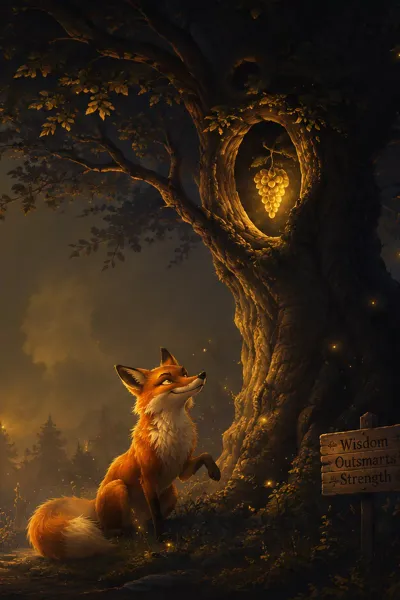
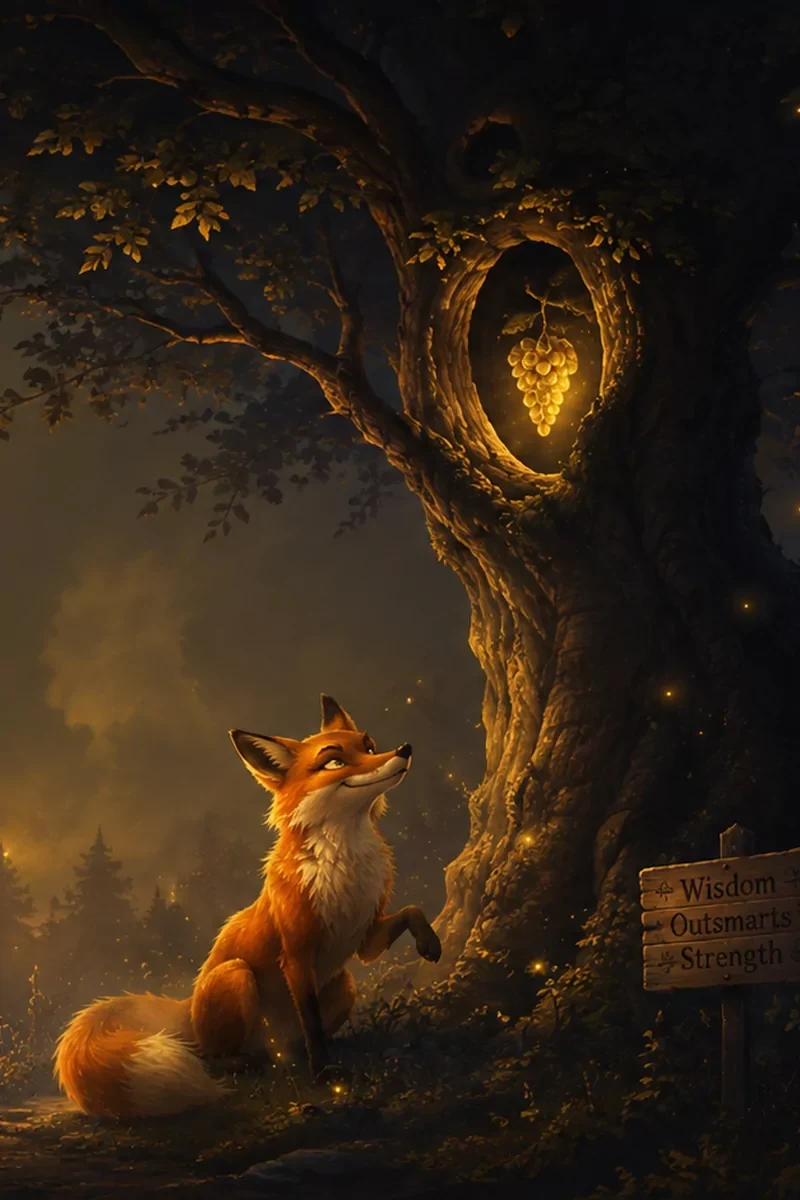
Sadusta Kettu ja viinirypäleet: kettu, joka ei yllä hedelmiin, päättää niiden olevan joka tapauksessa happamia, ja sanonta tarkoittaa nykyään sen teeskentelemistä, ettei koskaan halunnutkaan sitä, mitä ei voinut saada.
Kielessä Huutaa sutta
Vääriä hälytyksiä tekevää paimenpoikaa ei uskota, kun susi lopulta tulee; suden huutaminen tarkoittaa niin monien väärien varoitusten antamista, että todellinen varoitus jätetään huomiotta.
Kielessä Leijonanosa
Sadussa leijona vie lähes kaiken yhteisestä saaliista, ja sanonta tarkoittaa nykyään suurinta osaa mistä tahansa.
Kielessä Hiljaa hyvä tulee
Kilpikonna voittaa jäniksen pysähtymättä kertaakaan, ja tarina on yhä vertauskuva sille, kuinka kärsivällisyys voittaa laiskottelevan lahjakkuuden.
Kielessä Kellon ripustaminen kissan kaulaan
Hiiret ovat yhtä mieltä siitä, että kello kissan kaulassa pelastaisi heidät, mutta kukaan ei suostu sitomaan sitä paikalleen; sanonta kuvaa suunnitelmaa, joka kuulostaa hyvältä, mutta jota kukaan ei toteuta.
Kielessä Susi lammasten vaatteissa
Vaarallinen olento naamioituneena vaarattomaksi; sitä käytetään kenestä tahansa, jonka ystävällinen käytös kätkee alleen pahat aikeet.
Kysymyksiä ja vastauksia kirjasta “Aisopoksen satuja” englanniksi
oliko Aisopos oikeasti olemassa
Antiikin lähteiden mukaan Aisopos oli 500-luvulla eaa. elänyt traakialainen orja, mutta hänen olemassaolostaan ei ole täyttä historiallista varmuutta. Hänen nimiinsä on vuosisatojen aikana koottu satoja kansantarinoita ja eläinsatuja, joista osa on peräisin jo paljon häntä vanhemmista perinteistä.
miksi kettu sanoo pihlajanmarjoja happamiksi
Alkuperäisessä englanninkielisessä sadussa kettu yrittää ylettyä viinirypäleisiin ('sour grapes'), mutta suomessa sanonta on muuttunut pihlajanmarjoiksi. Kettu väittää marjoja happamiksi vain siksi, ettei se ylety niihin, ja haluaa näin pelastaa kasvonsa pettymyksen hetkellä.
missä järjestyksessä Aisopoksen sadut kannattaa lukea
Saduilla ei ole juonellista järjestystä, joten voit lukea niitä aivan missä järjestyksessä tahansa. Jokainen tarina on täysin itsenäinen kokonaisuus, eikä aiempien tarinoiden tapahtumia tarvitse muistaa.
onko tämä lastenkirja vai aikuisille
Alun perin faabelit eivät olleet lastensatuja, vaan aikuisten poliittista satiiria, retoriikan harjoituksia ja terävää ihmistuntemusta. Vaikka niissä seikkailevat puhuvat eläimet, niiden maailmankuva on usein kyyninen ja armoton.
mitä tunnettuja sanontoja tästä kirjasta on tullut
Monet arkiset kielikuvat ovat suoraan näistä tarinoista: susi lammasten vaatteissa, leijonanosa, poika joka huusi sutta sekä kultamunia muniva hanhi. Lukemalla alkuperäiset tekstit näet, millaisesta tilanteesta kukin sanonta on saanut alkunsa.
miksi eläimet puhuvat näissä tarinoissa
Eläinhahmot toimivat peilinä ihmisten luonteenpiirteille: kettu on aina ovela, leijona vallanhaluinen ja aasi tyhmänylpeä. Kun hahmot ovat eläimiä, kertoja pystyi antiikin aikana arvostelemaan vallanpitäjiä ja ihmisten hölmöyttä suoraan joutumatta itse vaikeuksiin.
mikä tekee tästä kirjasta raskaan lukea kerralla
Koska jokainen tarina noudattaa samaa tiivistä kaavaa ja päättyy opetukseen, kymmenien satujen lukeminen peräkkäin puuduttaa nopeasti. Kirja toimii parhaiten, kun luet vain pari tarinaa kerrallaan etkä yritä kahlata sitä läpi romaanin tavoin.
onko jokaisen sadun lopussa pakollinen opetus
Suurimmassa osassa tarinoita on lopussa erillinen, yhden lauseen mittainen opetus, mutta ei aivan kaikissa. Historiallisesti monet näistä loppulauseista ovat myöhempien toimittajien ja kääntäjien lisäämiä tiivistyksiä.
miten La Fontainen sadut eroavat Aisopoksesta
Ranskalainen Jean de La Fontaine otti 1600-luvulla suurimman osan aiheistaan suoraan Aisopokselta, mutta kirjoitti ne runomuotoon ja lisäsi niihin hovielämän kuvausta. Aisopoksen alkuperäiset sadut ovat suoraa, korutonta proosaa, jossa mennään heti asiaan.
Lyhyesti kirjasta “Aisopoksen satuja”
17 julkaisutieto- ja tekstiominaisuuskenttää. Kaikki tarkistettavissa.
- Alkuperäinen nimi
- Fables · “Aisopoksen satuja”
- Kirjailija
- Aisopos
- Ensijulkaisu
- 1912
- Alkuperäiskieli
- Englanti
- Tyylilaji
- Eläinsadut ja vertaukset · Klassikot · Eläimet
- Tunnelma
- Lempeä
- Teemat
- Yhteiskunta · Ahneus · Valta
- Tapahtumapaikka ja -aika
- Antiikin Kreikka, metsät, maaseutu ja kylät · Antiikin aika, ajaton
- Eri sanoja
- 4 131
- Sanoja virkkeessä
- 21 sanaa
- Alkuperäisen taso
- C1.2
- Versiot
- C1.2
- Alkuperäisen pituus
- 285 lukua · 39 596 sanaa
- Lukuaika
- ~3 t 40 min
- Lähdeteksti
- Standard Ebooks
- Lataa
- EPUB
Samankaltaisia mitä lukea kirjan “Aisopoksen satuja” jälkeen
Samanhenkisiä
8Sama lajityyppi ja sama sävy.

Susikoira
Jack London
C2alkup.B1B2
~6 t 40 min · Seikkailu
The Odyssey / Rendered into English prose for the use of those who cannot read the original
Homer
C1.8alkup.
~11 t 50 min · Klassikot
Rikos ja rangaistus
Fjodor Dostojevski
C1.7alkup.B1B2
~18 t 50 min · Klassikot
Aseman lapset
E. Nesbit
C1.2alkup.B1
~5 t 30 min · Klassikot
Salainen puutarha
Frances Hodgson Burnett
C1.2alkup.B1
~7 t 30 min · Klassikot
Carmen
Prosper Mérimée
C1.8alkup.B1B2
~2 t 10 min · Klassikot

Salaisuuksien tie (Tao Te Ching)
Laotse
C2alkup.B1
~3 t 40 min · Filosofia
Kotiopettajattaren romaani
Charlotte Brontë
C2alkup.B1C1
~17 t 20 min · Klassikot
Kirjan sivu ≈0.2.0 · 14.10.2026